
Reviewed · WALKING TOURS
Bergen: Past & Present Small Group Guided Walking Tour
Bergen’s story comes into focus as you walk from Bergenhus Fortress to Bryggen, then leave the postcard streets for steep lanes where people actually live. I like the clear split between old Bergen and present-day Bergen, and I like that guides such as Jeff, Janine, Emma, and Anais add personal stories rather than simply reciting dates.
The tour is also a smart first activity in town because your guide can point you toward cafés, restaurants, museums, and photo spots for the rest of your stay. The catch is the weather and terrain: expect rain, uneven cobbles, and some uphill walking, so this is not a good fit if you have limited mobility.
Key points at a glance
- Two stories in two hours: Start with medieval Norway, then move into daily life in Bergen now.
- Bergenhus Fortress: Learn why Bergen once served as Norway’s capital and how the fortress is used today.
- Bryggen and the Hanseatic League: Walk old lanes tied to nearly 1,000 years of trade.
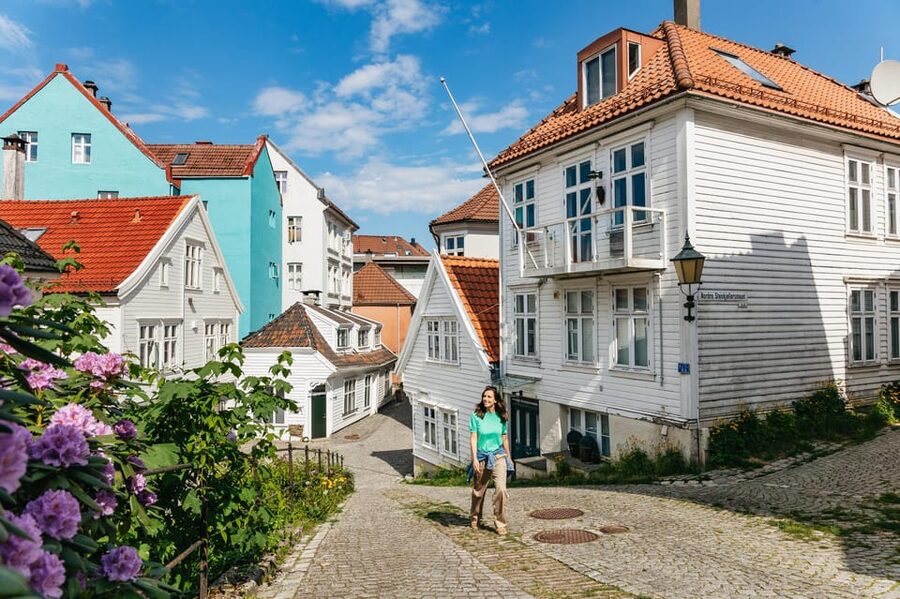
- Residential Bergen: Explore Wesenbergsmauet and nearby streets that many independent visitors miss.
- Useful local advice: Finish near the Fishmarket with suggestions for food, coffee, museums, and more sightseeing.
- Weather-ready walking: Bring an umbrella and wear shoes that handle cobbles and uphill streets.
Why this Bergen walk works so well
Bergen can look easy to understand at first glance. You see the colorful buildings at Bryggen, the harbor, the mountain behind town, and perhaps the line for the Fløibanen. But the city’s story is layered. Bergen was a royal center, a major European trading port, a city shaped by foreign merchants, and a modern Norwegian community dealing with high housing costs, work, leisure, and a lot of rain.
This tour gives you that full frame without taking up your whole day. At $26 per person, it offers a useful amount of context for the price, especially if you are arriving in Bergen with no sense of how the historic center fits together. Two hours is long enough to cover the main story but short enough to leave time for the Fishmarket, museums, the funicular, or an independent walk.
I especially like the small-group approach. The route passes through a residential area, and the limited group size makes it easier to ask questions without shouting across a crowd. Several guides, including Jeff, Janine, Magda, Eirik, Emma, and Anais, have been praised for keeping the walk friendly, well paced, and easy to follow.
More Walking Tours in Bergen
- Walking Tour in Bergen of the Past and Present
★ 5.0 · 1,575 reviews - Bergen: City Tour on Foot
★ 4.9 · 1,327 reviews - City Walking Tour – Bergen On Foot
★ 5.0 · 436 reviews
Starting at Bergenhus Fortress
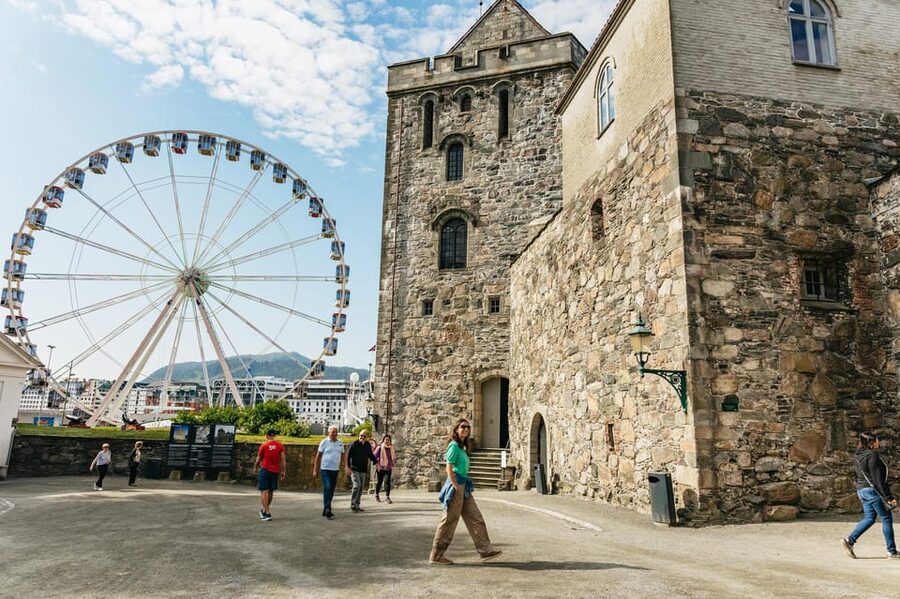
The first major stop is Bergenhus Fortress, where the tour spends about 30 minutes. This is the right place to begin because it shifts Bergen from a pretty harbor town into a place of national importance.
Your guide explains Bergen’s medieval period, including its short time as Norway’s capital. You hear about King Håkon Håkonsson, the ruler linked with the fortress’s growth and with one of the earliest written descriptions of Bergen’s rainy weather. That small detail helps bring the past down to earth. Bergen’s wet reputation is not just a modern joke.
The fortress also gives your guide room to connect local events with the wider story of Norway. You’ll hear about the country’s periods under Danish and Swedish rule, as well as the Nazi occupation. The point is not to turn the walk into a long lecture. It is to show how Bergen’s buildings and public spaces fit into the larger history of the country.
You do not need to pay for museum or building entry as part of the walk. The experience is built around outdoor interpretation and moving through the city, which keeps the pace lively. If you want an in-depth look inside the fortress buildings, you would need to plan that separately.
Bryggen and 1,000 years of trade
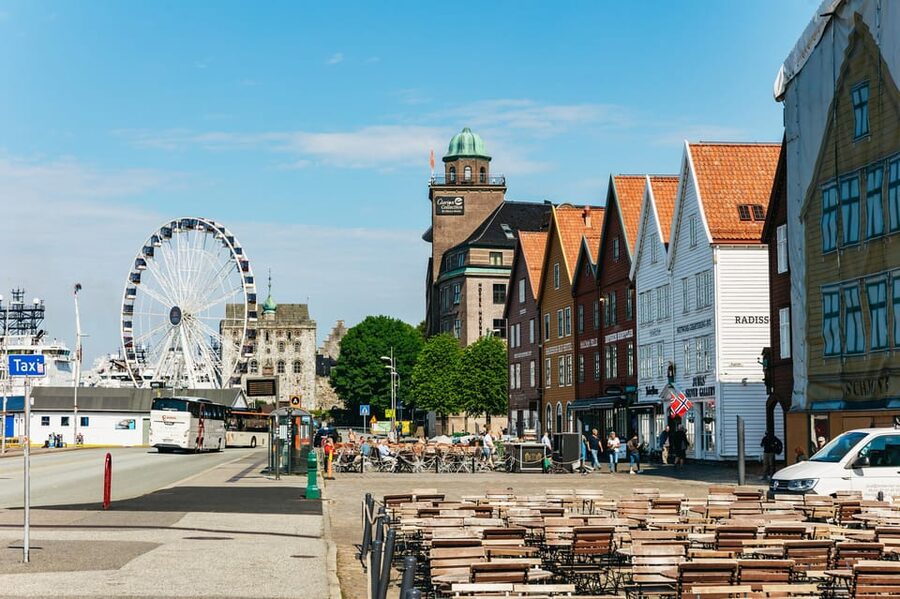
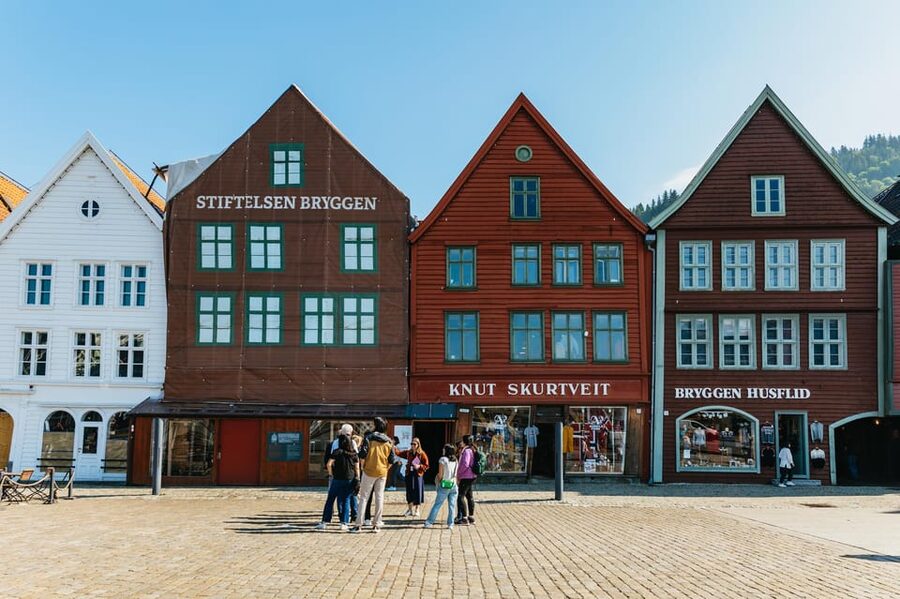
From the fortress, the route continues to Bryggen, Bergen’s UNESCO World Heritage area. Allow about 30 minutes here for walking, photographs, and explanation.
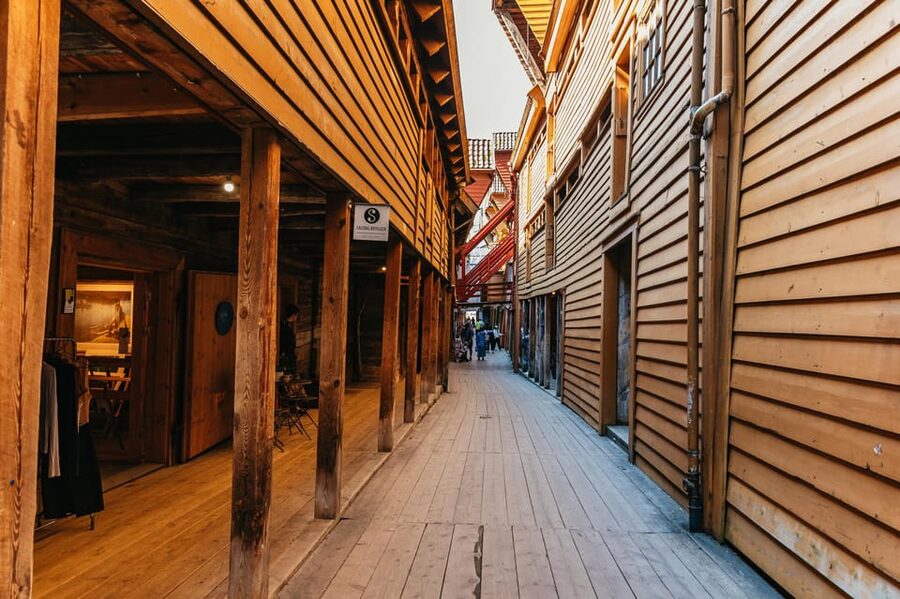
Bryggen is one of those places that can be easy to admire without really understanding. The wooden buildings are colorful and photogenic, but their importance comes from the trade that made Bergen grow. Your guide explains why the city was founded here and how its harbor became tied to trade across northern Europe.
The Hanseatic League is central to this part of the tour. German merchants operated in Bergen for about 400 years, and their presence shaped the harbor, commerce, buildings, and social order. You walk through old passages and alleys, some about 300 years old, while learning how the trading community worked.
This is where a guide adds real value. On your own, you might photograph the façades and move on. With context, you begin to notice the narrow spaces behind them and understand that Bryggen was not simply a row of attractive houses. It was a working commercial quarter with a long, complicated connection to Europe.
The tour does not promise extended museum visits, so keep your expectations clear. You will get a strong outdoor introduction to Bryggen, not a full examination of every building or collection. That makes the walk a good starting point if you plan to return later.
St. Mary’s Church and the end of the old story
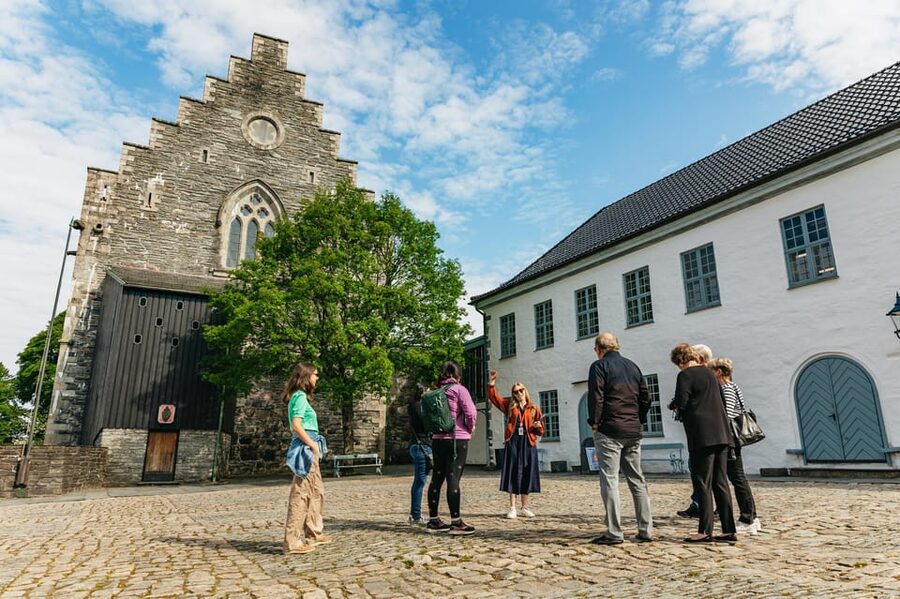
The historic section finishes at St. Mary’s Church, identified as Bergen’s oldest building. Its location near Bryggen makes it a natural closing point for the first half of the tour.
By this stage, the route has moved from royal power at the fortress to trade at the harbor and religious life in the old city. The sequence is easy to follow, and the guides tend to place events in a clear timeline. Anais, for example, has been noted for linking medieval European history to Bergen in a way that makes the city’s past easier to grasp.
You should not expect a formal church visit or interior tour unless your booking details say otherwise. The supplied plan focuses on seeing the building and understanding its place in Bergen’s story. If you want to go inside, ask your guide for current advice.
More Walking Tours in Norway
- Discover Bergen on Foot and Boat
★ 5.0 · 300 reviews - Bergen: Sightseeing Walking Tour with Ferry Ride
★ 4.9 · 296 reviews - Food and Culture walk
★ 4.5 · 243 reviews - Walking Tour of Central Bergen
★ 5.0 · 46 reviews
From historic center to local streets
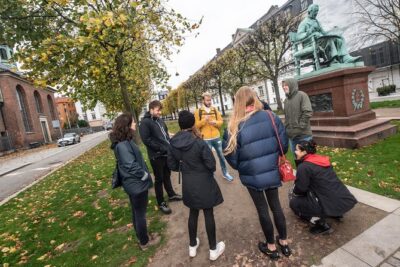
The second half changes tone. Instead of staying in the busiest historic areas, your guide takes you into the neighborhood around Bryggen. The exact path can vary because guides choose routes based on their own local experience and interests.
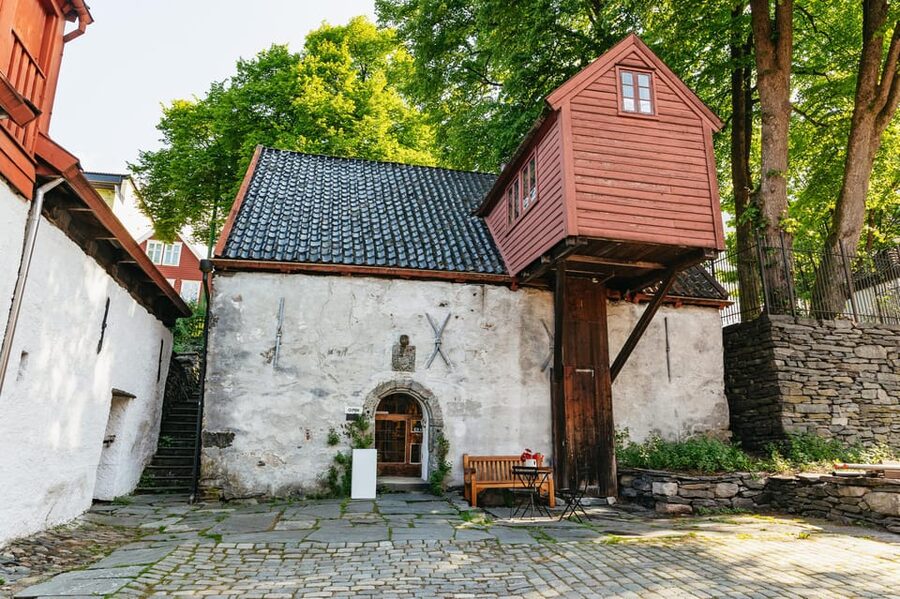
That flexibility is one of the best parts of the walk. You may pass through Wesenbergsmauet, a picturesque lane where the city feels smaller and quieter. You may also visit Fjellgaten, with its uphill walking and photo opportunities, before passing near Fløibanen and continuing toward Skostredet.
These streets show a different side of Bergen. You hear about house prices, work, leisure, and how residents manage the constant rain. Those details may sound ordinary, but they are exactly what turns a sightseeing walk into a useful introduction to a place. You learn not only what happened here, but what it feels like to live here now.
The route through local neighborhoods also demands good behavior from you. Keep your voice down, stay with the group, and respect private homes. The small group size helps, but visitors still need to remember that these are lived-in streets, not an open-air museum.
Cobblestones, slopes, and Bergen weather
This is a walking tour in a city famous for rain, and the tour runs in poor weather. Bring an umbrella, a waterproof layer, and shoes with a firm sole. Even a short shower can make old cobbles slippery.
There are uneven paths and uphill sections. The route includes areas around Fjellgaten and the Fløibanen, so you should be comfortable walking on slopes for part of the two hours. The experience is specifically listed as unsuitable for people with mobility impairments.
Cold weather does not necessarily ruin the outing. One guide has been praised for finding shelter from strong winds, and another took care around icy conditions. Still, the guide can only do so much. Dress for the forecast, and avoid treating this as a polished indoor attraction.
The weather can also add to the sense of place. You hear how locals handle the rain, and you see the city in the conditions that shape everyday life. That is more honest than waiting for perfect skies, though you should decide for yourself how much outdoor walking you enjoy.
The value of the local guide
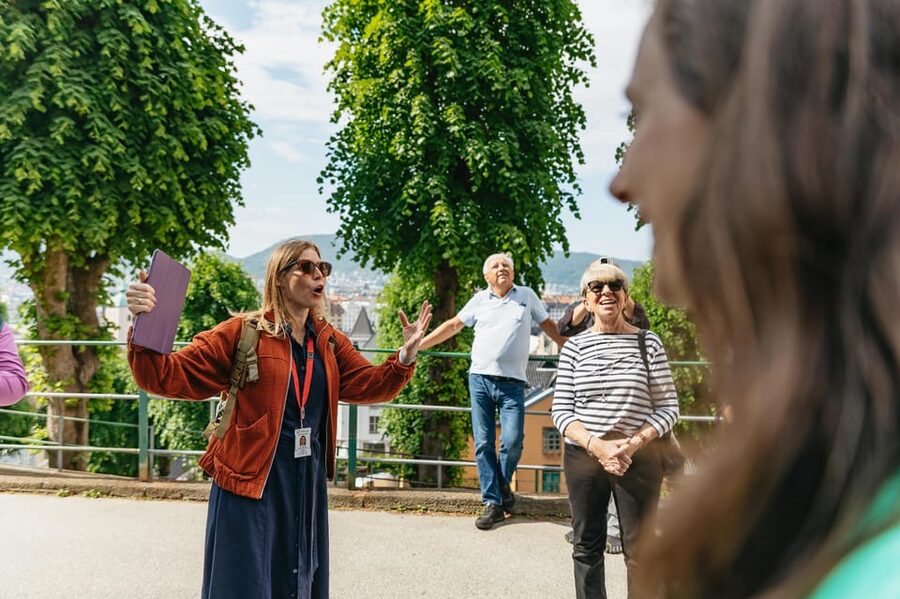
The strongest part of this experience is the guide-to-group connection. The structure gives each guide room to bring a personal angle while covering the same broad route.
Jeff is often described as warm, funny, and strong on both historical detail and current life. Janine has a reputation for giving practical tips along with the city story. Emma has been praised for combining history, present-day information, and care for the group. Magda is noted for humor and thoughtful pacing in cold or icy conditions.
Anais brings a particularly academic interest in medieval European history, while Eirik is known for adding anecdotes and humor. Serena, Neal, Dane, and other guides also lead the walk, so your exact style will depend on who is working that day.
You should ask questions. The tour is designed for conversation, and the guide can often steer you toward the kinds of places you care about, from museums and photographs to coffee, lunch, or dinner. Local cats sometimes follow part of the route, which is a small but fitting detail in a city where the residential lanes feel personal rather than staged.
Useful advice for the rest of your stay
The tour ends near Strandkaien and Bergen’s Fishmarket. That is a practical finish because you can continue eating, shopping, or exploring from there without arranging transport.
Food advice is one of the most useful extras. Guides have suggested cafés, restaurants, lunch spots, and local food places, with Pingvinen mentioned as one recommendation. You should treat these suggestions as a starting point and ask what is open during your visit.
The walk also helps you plan your time. You may hear about museums, viewpoints, shopping areas, and other places worth visiting. Doing the tour near the start of your stay makes sense because you can use those suggestions immediately rather than collecting them after you have already left.
The route does not include admission to museums or buildings, and that helps keep the price down. You are paying for the guide, the route, and the explanation, not a package of entrance tickets. If you prefer to spend two hours inside historic buildings, this will not be the right format.
Who should book this walking tour?
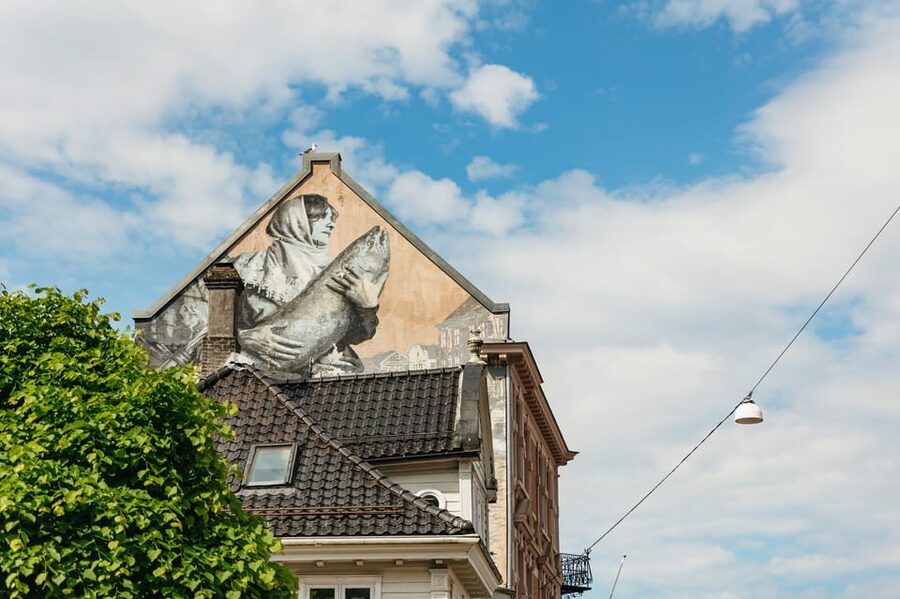
I would choose this for a first day in Bergen, especially if you want a quick orientation before deciding how to spend the rest of your visit. It suits people who enjoy history but also want to hear about housing, work, food, weather, and ordinary routines.
It is a good match for solo visitors, couples, and families with older children who can manage two hours of walking. The group size gives you a better chance to talk with the guide than a large bus tour would, while the $26 price keeps it accessible.
I would think twice if you dislike rain, cannot handle cobblestones, or need a fully level route. I would also skip it if you want long indoor visits or a slow architectural lecture focused on just one building.
For most visitors, the main value is the way the route connects places that might otherwise feel separate. Bergenhus explains power, Bryggen explains trade, the old lanes show how the city grew, and the residential streets introduce Bergen as a living community.
Should you book the Past and Present walk?
Book it if you want a clear, friendly introduction to Bergen that combines major sights with local perspective. The two-hour format, small group, authorized guides, and practical restaurant and sightseeing advice make the price fair.
Choose an early time during your stay so you can use the recommendations afterward. Bring an umbrella, wear sensible shoes, and expect some uphill walking. If those conditions suit you, this is an efficient way to get the city’s basic story and a feel for daily life before exploring on your own.
FAQ
How long does the Bergen Past and Present walking tour last?
The tour lasts two hours.
What places does the walking tour visit?
The route includes Bergenhus Fortress, Bryggen, St. Mary’s Church, Wesenbergsmauet, Fjellgaten, the area near Fløibanen, and Skostredet. It ends near Strandkaien and the Fishmarket.
What languages are available?
The tour is offered in English and German.
Is museum or building admission included?
No museum or building entrance is included, but admission is not needed for the walking tour itself.
What should I bring?
Bring an umbrella and wear shoes suitable for uneven cobblestones and uphill walking.
Does the tour run in bad weather?
Yes. The tour takes place regardless of the weather, so prepare for rain, wind, cold, or icy conditions.
Just added around Bergen
- Mostraumen Private Pontoon Cruise★ 4.5 · 7 reviews
- Walking Tour of Central Bergen★ 5.0 · 46 reviews
- Bergen : Private Waterfalls and Wonders Tour in Norway★ 5.0 · 6 reviews
- Walk with a Witch in 16th Century Bergen: A Self-Guided Fictional Tour★ 4.5 · 12 reviews
- Walking tour: Medieval Spirit of Bergen + sweet Arctic gifts★ 5.0 · 17 reviews
- Bergen: Private Full-Day Roundtrip to Hardangerfjord with cruise★ 5.0 · 20 reviews
- 3-Hour Private Norwegian Hiking Experience with Local Guide★ 5.0 · 27 reviews
- Three-summit hike in Bergen★ 5.0 · 3 reviews
Walking Tours, compared.


Walking Tour in Bergen of the Past and Present
Read our review →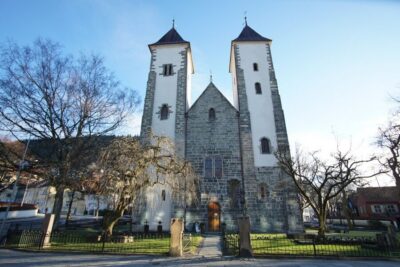
Browse the lists this tour appears in