
Reviewed · 2-HOUR EXPERIENCES
Bloody Stockholm: ghosts, horror and dark folklore 2h
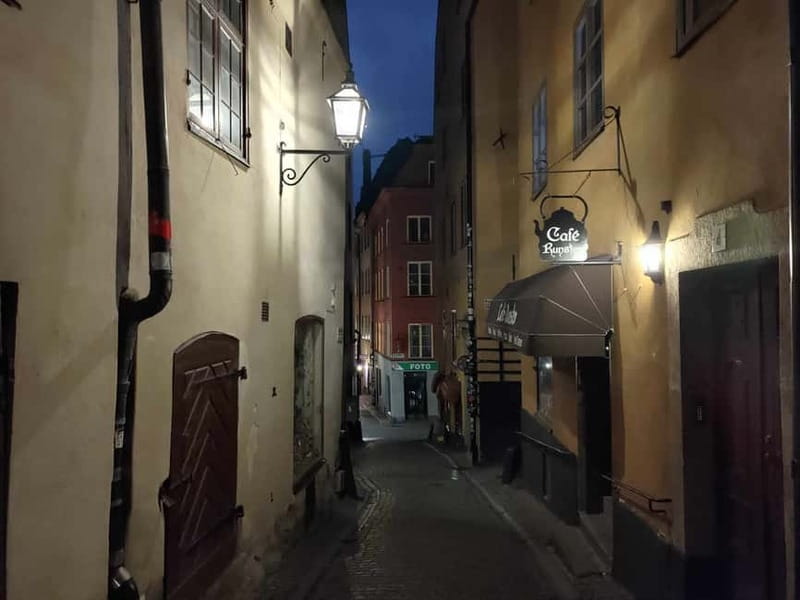
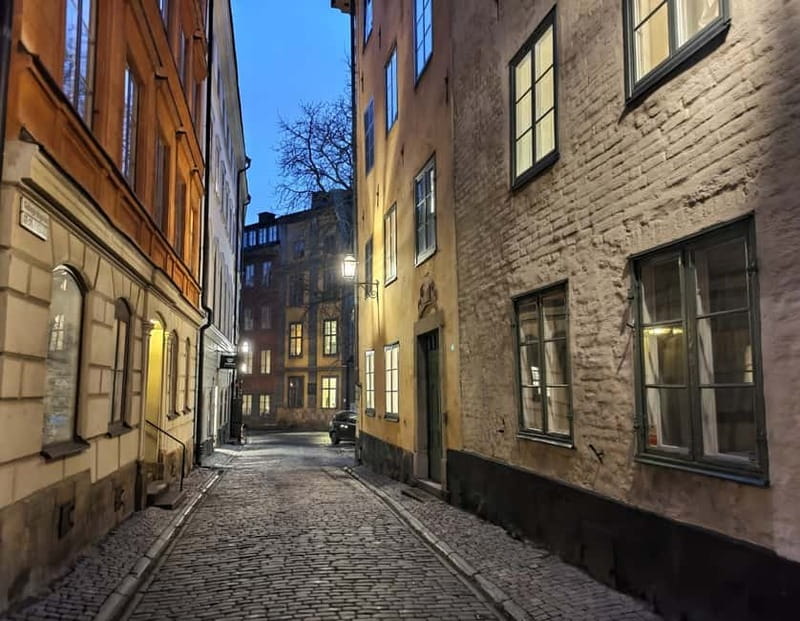
Stockholm’s Old Town looks pretty by day, but this tour points out the darker stories hiding behind its medieval streets. You’ll hear about the Stockholm Bloodbath, grisly executions, castle murders, and the old fears that gave rise to creatures such as the mylingar, murdered infants said to return and haunt the living.
I like the way the tour links folklore to ancient Nordic pagan beliefs instead of treating ghosts as cheap scares. I also like the small-group format, which gives you room to ask questions and lets a guide such as Emma add extra details when time and group size allow.
The main drawback is the subject matter. This is a walking tour about murder, death, and supernatural fears, not a light sightseeing stroll. At $89 per person, it offers good value if you want a focused guide and strong storytelling, but it may feel expensive if you only want a quick look at Gamla Stan’s buildings.
Key points at a glance
- Start at Stortorget: Meet beside the entrance staircase of the Nobel Prize Museum, on Stockholm’s main Old Town square.
- Folklore with cultural context: Learn why Swedes feared mylingar, Skogsrået, Näcken, and trolls, not just what these creatures looked like.
- Bloodier side of Gamla Stan: Hear about the Stockholm Bloodbath, executions, the executioner’s alley, and murders linked to Stockholm Castle.
- Two hours on foot: Wear comfortable shoes and expect the tour to end back at the meeting point.
- Small groups or private bookings: You get a more personal experience than on a large coach tour.
- English or Swedish guiding: The live tour is offered in both languages, with free cancellation up to 24 hours before departure.
Starting in Stortorget, Stockholm’s old main square
Your meeting point is easy to identify, but pay attention to the exact spot. Meet on the right side of the Nobel Prize Museum staircase at Stortorget, and look for a guide wearing the Sweden History Tours logo.
Stortorget is a fitting place to begin. It is one of the most recognizable squares in Gamla Stan, and the tour uses the setting to move quickly from postcard Stockholm to the city’s more troubling past. You will not simply hear a list of scary tales. The guide places the stories among the streets, buildings, and public spaces of the Old Town.
The tour lasts two hours and returns to the same meeting point. That makes it easy to pair with dinner, an evening walk, or another activity nearby. You do not need to arrange transport between stops, but you should wear comfortable shoes. Gamla Stan is best explored on foot, and the tour’s value depends on being able to listen while walking and standing.
A few more Stockholm days worth weighing up
- Stockholm: 2-Hour RIB Speed Boat Tour of the Archipelago
★ 4.9 · 396 reviews - Stockholm Speed Boat 2 Hour Archipelago Tour
★ 5.0 · 139 reviews - Södermalm: 2-Hour Sightseeing Tour
★ 4.0 · 46 reviews
From pretty streets to public executions
The first part of the experience introduces the historical side of Stockholm’s darker past. Expect stories of bloody events, murder, and public executions as you move through the Old Town.
The Stockholm Bloodbath is one of the central episodes. Its name alone suggests the tone, but the guide also explains the event as part of Swedish history rather than using it only for shock value. That distinction matters. You get a clearer idea of how political conflict, punishment, and public violence shaped the city.
You also hear about the executioner’s alley. This detail helps you picture how the medieval city worked. Executions were public events, and the location of the executioner was part of the social order. The story gives the narrow streets a more serious meaning, especially when you realize how close daily life was to punishment and death.
Murders connected with Stockholm Castle add another layer. Castle stories often sound dramatic because power and violence were closely linked, and this section gives the tour a connection to the people who ruled Sweden. The guide explains the events in a way that keeps the history at the center.
This is not a tour of castle rooms or museum collections. You are hearing about places and events from the street. If you want interior access or detailed architectural commentary, choose a standard history tour instead. If you like the idea of walking through the same old quarter while hearing what happened there, this format works well.
Meeting the creatures of Swedish folklore
The folklore section shifts from recorded events to stories that once helped people explain danger, death, and the unknown. This is where the tour becomes more than a conventional ghost walk.
You learn about the mylingar, the spirits of murdered infants who return to haunt the living. The story is disturbing, but it also shows how folklore can reflect social fears and moral concerns. The guide explains the roots and purpose of these beliefs, so the creature is not presented as a random monster.
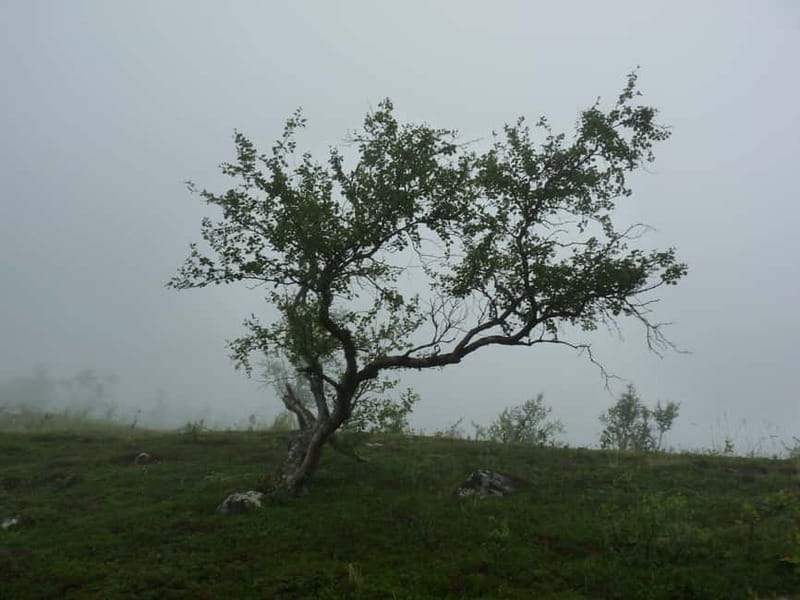
The Skogsrået is another memorable figure. She appears as a beautiful woman in the forest, but she is deadly. This story reflects the risks associated with leaving settled communities and entering the woods. The forest was not simply a scenic place. In older Nordic belief, it could be a dangerous world with its own rules.
Näcken takes the tour toward water. This naked male creature lures people toward drowning. The story is grim, but easy to remember, and it connects folklore to a very real hazard. The guide also explains how these tales functioned in Swedish society, especially as warnings for people who might go too close to rivers, lakes, or other dangerous places.
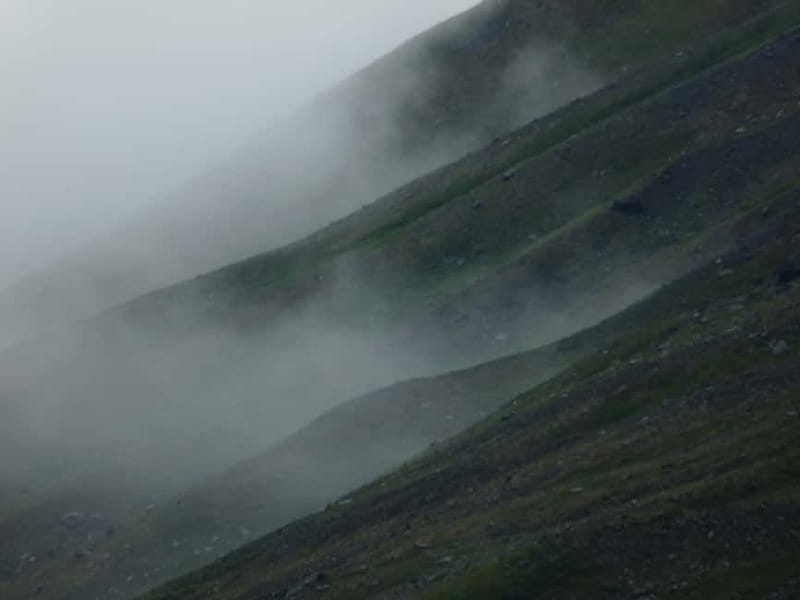
Trolls round out the best-known creatures. They live in the mountains and kidnap women, giving the guide a chance to discuss the line between old pagan beliefs, later folk tales, and the modern image of Scandinavian trolls. You should expect a mix of unsettling stories and cultural explanation, not a parade of costumed characters.
Why the folklore matters beyond the scares
The strongest part of this tour is the link between supernatural stories and everyday life. The guide explains how old Nordic beliefs connected with ancient pagan ideas, and why such stories remained useful in Swedish society.
That context gives the tales weight. A ghost story can be entertaining on its own, but it becomes more interesting when you understand what it warned people about or what it helped a community explain. The tour treats folklore as part of social history, not as a collection of strange names.
You might also notice that the historical and supernatural sections work together. The executions and murders show real violence. The creatures represent imagined dangers. Both reveal how people understood death, punishment, wilderness, water, and the limits of human control.
I especially like this balance for visitors who want more than a standard ghost tour. You still get chills, but you also learn why the stories existed. If you already know Scandinavian mythology, the guide’s explanations may help connect familiar figures to Swedish culture and local places.
A different sort of day out, same corner of Stockholm:
- Stockholm: City Archipelago Sightseeing Cruise with Guide
★ 4.3 · 10,798 reviews - Stockholm: Skansen Open-Air Museum Admission Ticket
★ 4.5 · 3,427 reviews - Stockholm: Archipelago Boat Tour
★ 4.4 · 3,110 reviews - Stockholm: Highlights Boat Tour
★ 4.3 · 2,542 reviews
A guide-led experience with room for questions

The tour is led by a local guide described as a history expert and horror enthusiast. That combination is important. A guide who only wants to frighten you might rush through the context, while a guide who focuses only on dates could drain the energy from the folklore.
Emma is one guide associated with the experience. Her approach includes humor, clear explanations, and extra details when the group is small. You can also ask questions about Swedish culture that are not directly part of the set stories, which makes the tour more useful for first-time visitors from abroad.
The advertised languages are English and Swedish. That makes the experience practical for English-speaking visitors who want a ghost tour but do not speak Swedish. Confirm your chosen language when booking, since the live guide may operate in one language for a particular departure.
Small groups are a real advantage here. Stories about ghosts and old crimes work better when you can hear every word, and a smaller group makes it easier to stop for questions. A private group is also available if you want to keep the pace and conversation among your own party.
The tradeoff is that a small-group walking tour can feel more personal but less predictable than a fixed indoor performance. The experience depends partly on the guide’s storytelling style and the group’s questions. That is a benefit for curious visitors, but less ideal if you want a tightly scripted show.
What the two-hour route feels like
The route begins and ends at Stortorget, with the Old Town serving as the setting throughout. You pass major sights in Gamla Stan while the guide adds the darker stories behind the area.
At the start, expect an introduction to the square and the tour’s themes. The guide then takes you back into medieval Stockholm through accounts of murder, punishment, and executions. As the walk continues, the stories broaden to include Stockholm Castle and the executioner’s alley.
The folklore section adds a change of mood. Instead of focusing only on documented events, the guide describes supernatural figures and explains their place in Swedish and Nordic belief. You hear about mylingar, Skogsrået, Näcken, and trolls, along with the older ideas that shaped those tales.
Because no detailed stop-by-stop route is provided, you should not expect a fixed list of landmark entrances or a guaranteed visit inside a specific building. The sights are viewed from the Old Town streets, and the stories are the main attraction.
Two hours is a useful length. It is long enough to build a clear theme without taking up an entire day. It also means the guide has time to explain the folklore rather than firing off one short legend after another.
Is $89 a fair price?
At $89 per person, this is not the cheapest way to see Gamla Stan. You are paying for a two-hour guided experience with a local expert, a focused subject, and the option of a small group or private format.
The value is strongest if you care about storytelling. A free walk can show you the same streets, but it will not provide this organized mix of bloody history, folklore, and cultural explanation. The price also makes more sense if you want a tour in English and prefer direct access to a guide who can answer questions.
The value is weaker if your main goal is sightseeing. The tour passes by the Old Town’s main sights, but it is not designed as a broad introduction to Stockholm’s art, architecture, food, or museums. You should choose it for the stories, not as your only tour of the city.
Small groups can improve the experience, especially when the guide adds extra material or answers questions. A private option may suit families or friends who want the subject matter handled at their own pace, though the supplied price is listed per person and does not explain any private-group surcharge.
You can reserve now and pay later, which helps if your schedule is still changing. You can also cancel up to 24 hours before the start for a full refund. Those terms reduce the risk of booking ahead, particularly if your Stockholm plans are not yet settled.
Who will enjoy Bloody Stockholm most?
I would recommend this tour to adults and older children who like ghost stories, dark folklore, and history with an unsettling edge. It should also suit families who want an unusual way to explore Gamla Stan, provided everyone is comfortable with stories about murder, dead infants, executions, and drowning.
It is a good choice for visitors who have already seen Stockholm’s main sights and want a different angle on the Old Town. It also works early in a visit because the guide can help you understand how Swedish culture connects with its older Nordic beliefs.
You should think twice if you dislike graphic or frightening themes. The tour deals directly with bloody events and supernatural creatures, and its appeal depends on that darker material. It is also less suitable if you need frequent indoor seating or want a quiet, self-guided walk.
Bring comfortable shoes and dress for a two-hour outdoor walk, though no special equipment is listed. The meeting point is central, and the activity returns there at the end.
Should you book this Old Town ghost tour?
Book Bloody Stockholm if you want Gamla Stan presented through murder, executions, folklore, and old fears rather than through a standard list of landmarks. The best reason to choose it is the blend of story and explanation: you hear about the Stockholm Bloodbath and castle murders, then learn why figures such as Näcken and Skogsrået mattered to Swedish communities.
The tour is especially appealing if you can join a small group, ask questions, and enjoy a guide with both historical interest and a taste for horror. At $89, it is a specialist experience, not a budget sightseeing walk. For the right audience, the focused subject and personal guiding make the price reasonable.
Skip it if you want museum entry, architecture, or a gentle family stroll. Choose it if you want Stockholm’s beautiful old streets to feel a little stranger by the time you leave.
FAQ
Where does Bloody Stockholm begin?
The tour begins on the right side of the Nobel Prize Museum staircase at Stortorget in Stockholm’s Old Town. Look for a guide wearing the Sweden History Tours logo.
Where does the tour end?
The activity ends back at the meeting point in Stortorget.
How long does the tour last?
Bloody Stockholm lasts two hours. Starting times vary, so check availability for the date you want.
What language is the tour offered in?
The live tour is available in English and Swedish.
What historical subjects are covered?
The tour covers the Stockholm Bloodbath, executions, the executioner’s alley, and murders connected with Stockholm Castle.
Which folklore creatures will I hear about?
The guide discusses mylingar, Skogsrået, Näcken, and trolls, along with the roots of these beliefs and their links to ancient Nordic pagan traditions.
Is this a private tour?
A small-group option is available, and private groups can also be arranged.
What should I bring?
Bring comfortable shoes for the two-hour walking tour.
How much does the experience cost?
The listed price is $89 per person. You can reserve now and pay later, and cancellation is free up to 24 hours before the tour for a full refund.
Just added around Stockholm
- Traditional Persian Cooking Class in Stockholm with a Local★ 5.0 · 20 reviews
- Stockholm Top attractions all-inclusive Gran Tour Winter Edition★ 5.0 · 6 reviews
- Airport Limousine Transfer: Arlanda Airport to Stockholm City 1-7 Passengers★ 4.0 · 5 reviews
- Scandinavian Art, Architecture and Design Tour in Stockholm★ 4.5 · 11 reviews
- Wolf and Wildlife Tracking in Sweden★ 5.0 · 9 reviews
- Walking Tour of Stockholm’s City Center★ 4.5 · 26 reviews
- Stockholm: Sunset Hike in Tyresta National Park with Meal★ 5.0 · 79 reviews
- Private Tour: Swedish History Day Trip to World Heritage Candidate Markim-Orkesta from Stockholm★ 5.0 · 8 reviews
2-Hour Experiences, compared.
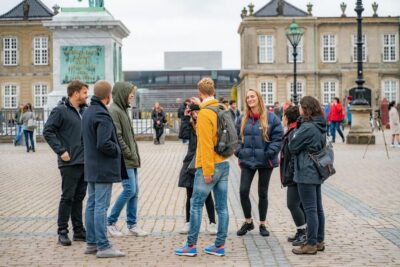
Group Walking Tour – City Highlights – 2 Hours
Read our review →
2-Hour Oslo Fjord Sightseeing Cruise by Sailing Ship
Read our review →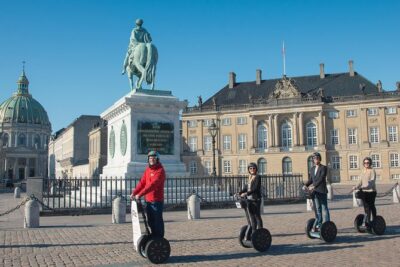
Segway Tours Copenhagen w. Guide & Concierge Service. 2 Hours+
Read our review →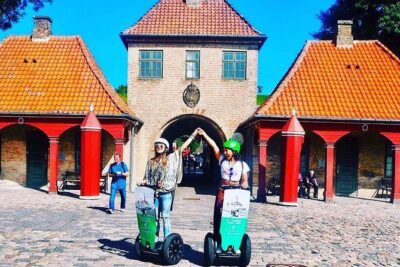



Browse the lists this tour appears in