Reviewed · SAFARI
Muskox Safari from Hjerkinn | Dovre & Lesja Aktiv
A muskox safari is not a wildlife park visit. You walk into the open Dovrefjell Mountains and search for animals that move where they please. That wild element is the point, and it also means no sighting can be promised. At the right moment, you may be looking across a broad mountain setting at one of Norway’s most unusual large mammals.
I like the small-group feel, with a maximum of 18 people, and the simple transfer from Hjerkinn to the trailhead. I also like that the guide carries a telescope, so you can study the animals while keeping the required 200-meter distance. The main drawback is the hike itself: 7 to 15 kilometers, with some elevation, changing weather, and no guarantee that the muskox will be close or even visible.
Key points before you book
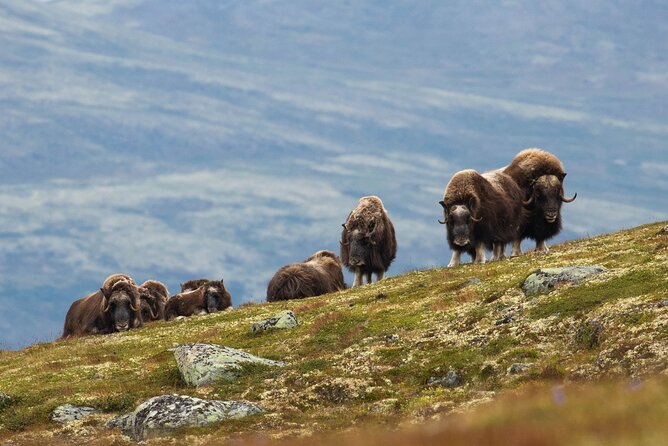
- Wild muskox in a national park: The animals roam freely, so the route and viewing time change with their location.
- A real half-day hike: Plan on about 5 to 6 hours, with a total distance of roughly 7 to 15 kilometers.
- Safety comes first: You must remain about 200 meters from the muskox, with the guide’s telescope helping you see them.
- Bring your own lunch: Food, drinks, and snacks are not included, and there is a lunch break during the hike.
- Mountain clothing matters: Waterproof hiking shoes and windproof, waterproof layers are essential.
- Hjerkinn is both start and finish: Meet at Hjerkinnhusvegen 35 at 10:00 a.m., then return to the same meeting point.
Why Dovrefjell is the right place for a muskox search
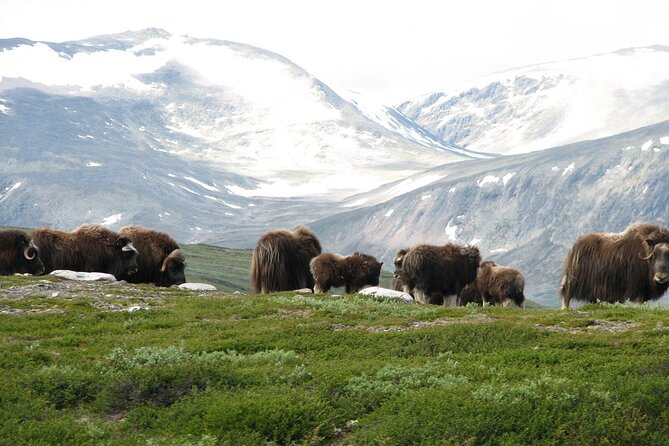
Dovrefjell is one of the few places on earth where you can see muskox living in the wild. That fact gives this outing a different character from a standard sightseeing trip. You are not being driven to a fixed viewing platform. You are walking through the animals’ home and trying to read the mountain conditions, open ground, and possible movements of the herd.
Muskox are impressive animals, but this is not a close-encounter activity. The recommended safety distance is 200 meters, and the guide will enforce it. That distance may sound large until you remember that these are powerful wild animals. The telescope makes the gap useful rather than frustrating, letting you inspect the animals without crowding them.
I appreciate that the experience respects the wildlife instead of treating the animals like photo props. Your photographs may show small figures against the mountains rather than frame-filling portraits. The reward is a genuine sighting, not a staged one.
The scenery also carries the day. You get fresh air, open mountain views, and time away from roads and buildings. Even if the animals make you work for the sighting, the walk gives you a proper taste of Dovrefjell.
More Arctic Safaris in Norway:
- Tromsø Whale Safari with MS Gabriele
★ 4.3 · 1,937 reviews - Tromsø: Northern Lights Safari
★ 4.5 · 1,916 reviews - From Tromsø: All-Inclusive Whale & Orca Safari
★ 4.5 · 1,221 reviews
Meeting in Hjerkinn at 10:00 a.m.
The outing begins at Hjerkinnhusvegen 35 in Hjerkinn at 10:00 a.m. The activity ends back at this same meeting point. That simple arrangement is helpful if you are staying nearby or arriving by public transport, since the tour is listed as being near public transportation.
From Hjerkinn, the company provides transfers to the trailhead. This removes one of the common hassles of a wildlife walk: figuring out where to park or how to reach the start of the route. You still need to arrive ready to hike, but you do not need to arrange a separate vehicle for the trail access.
The transfer is also a useful clue about the day’s format. You are not simply taking a short walk from the meeting point. The guide chooses a starting place that gives the group a better chance of finding the animals, based on the conditions and where muskox may be moving.
The exact trailhead and route can vary. That flexibility is important because the animals are not tied to one spot. It also means you should not expect a rigid itinerary with named stops and fixed viewing times.
Walking through Dovrefjell-Sunndalsfjella National Park
Once the hike begins, the main task is searching. Your guide leads you across the mountain area, watching for muskox and adjusting the route when needed. The total distance may be as little as 7 kilometers or as much as 15 kilometers, depending on animal location, weather, and the group’s pace and fitness.
That range is significant. A 7-kilometer mountain hike may feel manageable to many people with a moderate fitness level. A 15-kilometer outing with elevation is a more demanding day, especially in wind, rain, or uneven conditions. You should be prepared for the longer possibility rather than planning around the shortest one.
The walk is described as moderate rather than extreme. Still, this is not a casual stroll in town. You need waterproof hiking shoes, clothing that blocks both wind and rain, and enough layers to adjust as conditions change. The mountain weather can shift quickly, so a warm morning does not guarantee a mild afternoon.
I would pack with the assumption that you will spend long periods outside with little shelter. Wear or carry several layers. Keep your hands comfortable, protect yourself from wet weather, and choose footwear that remains useful on uneven ground. The right clothing will not make the distance disappear, but it can make the day far more pleasant.
Searching for animals that set the schedule
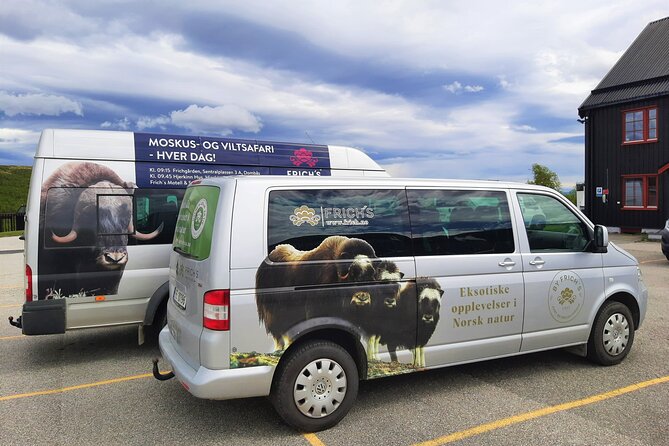
The best feature of this safari is also the part that demands patience. Muskox move freely, so the guide cannot promise a particular viewing point, distance, or length of time with the animals.
A successful day may involve a fair amount of walking before the first sighting. You might stop, scan the area, and continue. You might spend time watching a group from far away. You might also cover more ground because the animals have moved. This uncertainty is normal for a wild-animal safari, not a sign that the outing lacks planning.
The guide’s job is to improve your odds, not manufacture a result. Local route knowledge and a practiced eye matter in a wide mountain area. The guide also manages the group’s distance from the muskox and helps everyone use the telescope.
The group size can reach 18 people. That is large enough to create a social outing, but still limited compared with a mass tour. You should expect to share viewing time and telescope access with the group. If everyone stays patient and follows the guide’s instructions, the setup should work well.
The experience can suit a mixed group, too. One family specifically enjoyed the outing with children aged 15 and 7, while another group came with a strong interest in nature. That does not mean every child or casual walker will find the distance easy. It means the hike can work for different ages when the group is prepared for a full mountain day.
A few more Norway days worth weighing up
- From Bergen: The Original Fjord Cruise to Mostraumen
★ 4.7 · 8,440 reviews - Tromsø: Reindeer Sledding & Feeding with a Sami Guide
★ 4.8 · 6,417 reviews - Stavanger: Scenic Fjord Cruise to Lysefjord and Preikestolen
★ 4.6 · 5,791 reviews - Oslo: Scenic Fjord Cruise with Audio Guide Commentary
★ 4.5 · 5,375 reviews
The 200-meter rule and the telescope
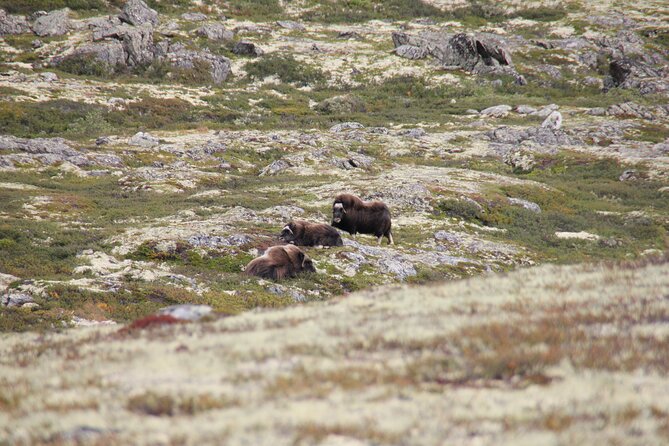
The safety distance is not a minor detail. You must stay about 200 meters from the muskox. These are wild animals with strength and unpredictable behavior, so the distance protects both you and the herd.
At first, you might worry that 200 meters is too far for a good look. The guide carries a telescope for everyone to use, which changes the experience. You can take turns viewing the animals in detail while keeping the proper space between your group and the muskox.
Bring binoculars if you own them. They are not required, but they let you keep watching between telescope turns and can make scanning the area easier. A camera with a long lens may help with photographs, but the tour’s real viewing tool is the guide’s telescope.
The distance also shapes your expectations for photographs. You may get good images of muskox in their setting, but you should not expect close-up portraits from a phone. I would think of the pictures as evidence of a hard-earned sighting and a record of the setting, not as the sole reason to join.
A lunch break, with food from your own pack
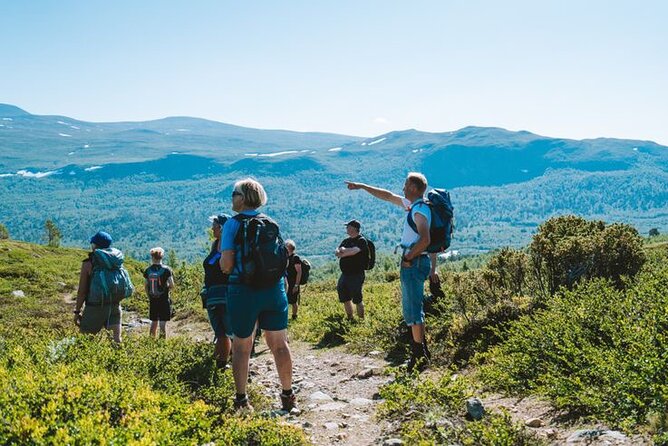
The hike includes a lunch break, but lunch is not provided. Bring your own meal, something to drink, and perhaps a snack for the walk.
This is easy to overlook when the price appears beside a guided activity. The $65.99 fee covers the guide, telescope, and transfer to the trailhead, but not your food or drinks. Pack enough for a 5 to 6-hour outing, not just a quick bite.
A snack is especially sensible if the group walks close to the longer distance. You may also appreciate a drink during the uphill sections or in dry weather. Keep your food easy to carry and simple to eat outdoors, since the break is part of the walking day rather than a restaurant stop.
The lunch pause gives you time to rest and take in the surroundings. It also helps break up the search, which may otherwise feel long if the animals are difficult to locate.
What the $65.99 price really covers
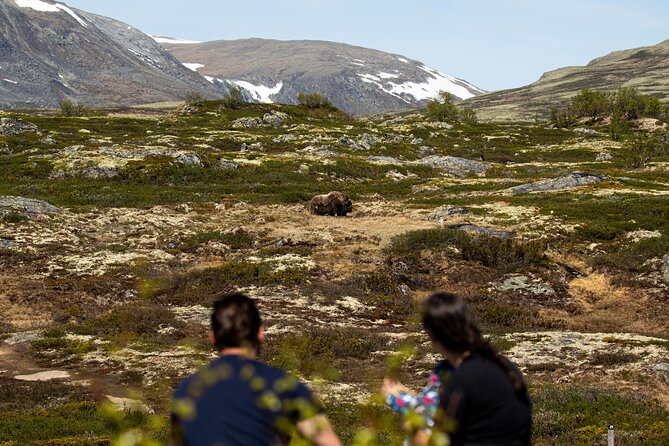
At $65.99 per person, this is a reasonably focused way to spend half a day in Dovrefjell. You are paying for a guide, help with wildlife spotting, the telescope, and transport from Hjerkinn to the trailhead. You are not paying for a meal, private access, or a guaranteed sighting.
The value depends on what you want. If you mainly want a quick photograph of a muskox, the uncertain route and long walking time may feel like a gamble. If you want a guided mountain outing with a serious chance of seeing a rare wild animal, the price is easier to justify.
The guide adds value in several practical ways. You do not need to decide where to search, how far to walk, or how close to approach. You also have access to equipment that would otherwise cost extra or be difficult to carry. Just remember that the guide can improve your chances, not control nature.
The maximum group size of 18 keeps the price below what you might pay for a private outing, but you will not have a personal guide. If you prefer complete control over timing and pace, ask yourself if a shared group hike is the right format.
What kind of hiker will enjoy this most
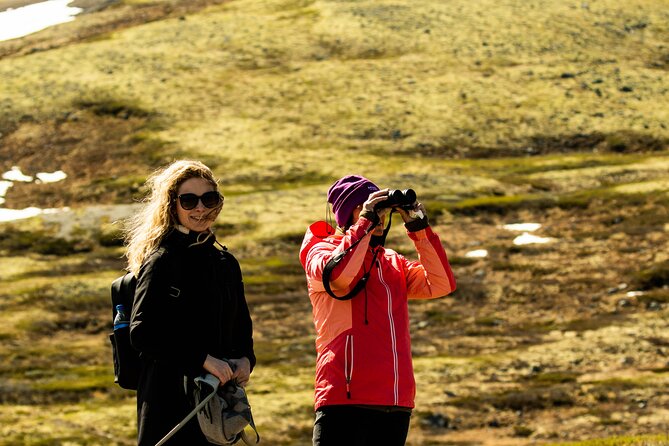
You should have a moderate level of fitness before booking. The activity lasts around 5 to 6 hours and can cover 7 to 15 kilometers with elevation. You need to be comfortable spending that length of time outdoors and walking over mountain terrain.
This tour fits you well if you:
- Enjoy wildlife even when sightings are not guaranteed
- Like walking in open mountain country
- Can manage a moderate hike with elevation
- Are willing to carry lunch and extra clothing
- Prefer a guide to handle route decisions and animal safety
- Want a quieter day away from built-up areas
You may want a different activity if you need a fixed schedule, short walking distances, indoor shelter, or guaranteed close views. The outing is also not a good match for anyone who arrives without proper waterproof clothing or footwear.
Families can consider it, but the youngest members need to be ready for a long outdoor walk. The fact that one outing included a 7-year-old does not remove the need to judge your own child’s stamina, patience, and interest in wildlife.
Weather, clothing, and what to pack
Mountain weather can change fast, and the tour specifically calls for waterproof hiking shoes and windproof, waterproof clothing. Several layers are a smart choice because you may warm up while walking and cool down while stopping to scan for animals.
Your practical packing list should include:
- Waterproof hiking shoes
- Windproof and waterproof outer layers
- Multiple warm layers
- Lunch
- A drink
- A snack
- Binoculars, if you have them
The telescope is provided, so you do not need to bring your own spotting scope. A mobile ticket is also provided for the booking, and confirmation arrives at the time of booking.
Service animals are allowed. The activity is near public transportation, but you still need to reach the Hjerkinn meeting point on time for the 10:00 a.m. start.
What the high rating tells you, and what it does not
The experience has a 4.8 rating from 72 reviews, with 97 percent recommended. The strongest praise centers on the friendly guides, safe organization, beautiful mountain setting, and the excitement of actually seeing muskox.
That praise matches the structure of the outing. A good guide matters here because the day combines route finding, wildlife awareness, group pacing, and safety. The most successful outings appear to be the ones where people arrive ready to walk, listen to instructions, and accept the changing nature of the search.
There is one useful caution: some people wanted more information before the hike. I would treat that as a reason to prepare carefully rather than wait for every detail on the day. Before setting out, make sure you understand the meeting point, start time, length range, lunch arrangements, clothing needs, and safety distance.
The positive side is that the activity itself is described as friendly, secure, and enjoyable. Some walkers found the hike fairly easy, while others came for a more serious interest in nature. Your experience will depend heavily on fitness, weather, and how far the guide needs to go.
Should you book the muskox safari?
Book it if you want a genuine mountain search for a rare wild animal and you are happy to earn the sighting with several hours of walking. The guide, telescope, trailhead transfer, and strong focus on safety make the $65.99 price fair for a shared outing.
Skip it if you need guaranteed animals, close photographs, a short walk, or comfortable indoor conditions. The best way to approach this safari is to value the whole day in Dovrefjell, with muskox as the hoped-for prize. Bring proper gear, pack lunch, and expect the mountains and animals to set the pace.
FAQ
Where does the muskox safari start?
It starts at Hjerkinnhusvegen 35, 2661 Hjerkinn, Norway.
What time does the tour begin?
The tour starts at 10:00 a.m.
Where does the activity end?
The activity ends back at the meeting point in Hjerkinn.
How long does the safari last?
It generally lasts 5 to 6 hours, with an approximate duration of 5 hours and 30 minutes.
How far will I hike?
The total hike may be between 7 and 15 kilometers, or about 4 to 9 miles, depending on the animals, weather, and group fitness.
Are muskox sightings guaranteed?
No. Muskox move freely in the national park, so the guide cannot know exactly where they will be each day.
How close can I get to the muskox?
The advised safety distance is 200 meters. The guide provides a telescope so you can view the animals from a safe distance.
Is lunch included?
No. You need to bring your own lunch, something to drink, and possibly a snack.
What should I wear and bring?
Bring waterproof hiking shoes, windproof and waterproof clothing, and several layers because mountain weather can change quickly. Binoculars are recommended if you have them.
Just added around Norway
- Lofoten Winter Panoramic Tour★ 5.0 · 31 reviews
- Lofoten Highlights Photo Tour – Henningsvær & Haukland★ 5.0 · 14 reviews
- Lofoten VIP PRIVATE tour from Svolvaer★ 5.0 · 13 reviews
- Private Full Day Sightseeing Tour from Svolvær to Å★ 5.0 · 12 reviews
- Small Group Luxury Cruise to Trollfjord on a 33m Classic Yacht★ 5.0 · 29 reviews
- Sea Eagle Safari from Svolvær to Trollfjorden★ 5.0 · 124 reviews
- Lofoten RIB Sea Eagle Safari and Trollfjord Cruise★ 5.0 · 69 reviews
- North Lofoten Highlights Photo Tour (Summer)★ 5.0 · 6 reviews
Safari, compared.
Lofoten RIB Sea Eagle Safari Trollfjord Cruise
Read our review →
Musk ox Safari in Dovrefjell National Park, Oppdal Safari
Read our review →