
Reviewed · WALKING TOURS
Copenhagen: Harbor Architecture Private Walking Tour
Copenhagen’s harbor is where old port life meets daring new design. This private two-hour walk takes you from the colorful 17th-century houses of Nyhavn to modern landmarks such as the Opera House, Cirkelbroen, and the Danish Architecture Centre, showing why Copenhagen was named World Capital of Architecture in 2023.
I like the small private format, which lets you ask questions and keep the focus on the buildings that interest you most. I also like the route’s mix of history and new construction, especially the contrast between Nyhavn’s canalfront houses and the cleaner lines of Papiroen, Krøyers Plads, and the Opera House.
The main drawback is the price: $394 for up to two people is a serious outlay for a two-hour walk. The route is also not suitable for wheelchair users or people with mobility impairments, and you should be ready to walk in rain or shine.
Key points to know before you book
- A private harbor route: The walk is limited to your own group, up to two people, with no larger tour group to slow the pace.
- Historic and modern Copenhagen together: Nyhavn, the Opera House, Cirkelbroen, the Royal Library, and the Danish Architecture Centre create a useful architectural timeline.
- An enthusiastic guide can shape the experience: Dalit is specifically praised for her energy, while English and Spanish tours are available.
- A two-hour walking commitment: The route covers several waterfront areas, so comfortable clothing and water are sensible.
- A strong photo route: Canal houses, bridges, harbor views, and landmark buildings provide plenty of good stopping points.
- A costly choice for two: The price makes the most sense if you value private guiding and focused architectural discussion.
Why Copenhagen’s harbor makes a good architecture walk
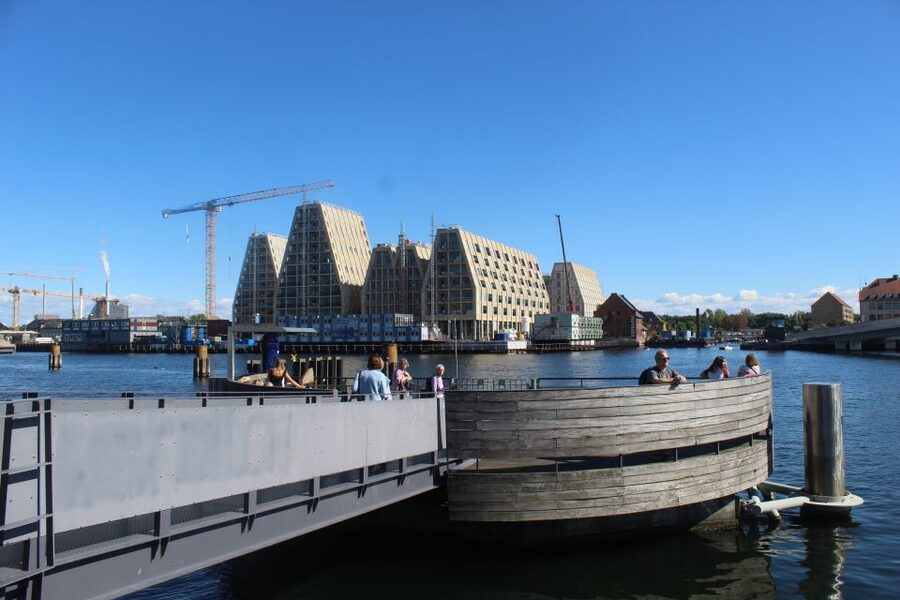
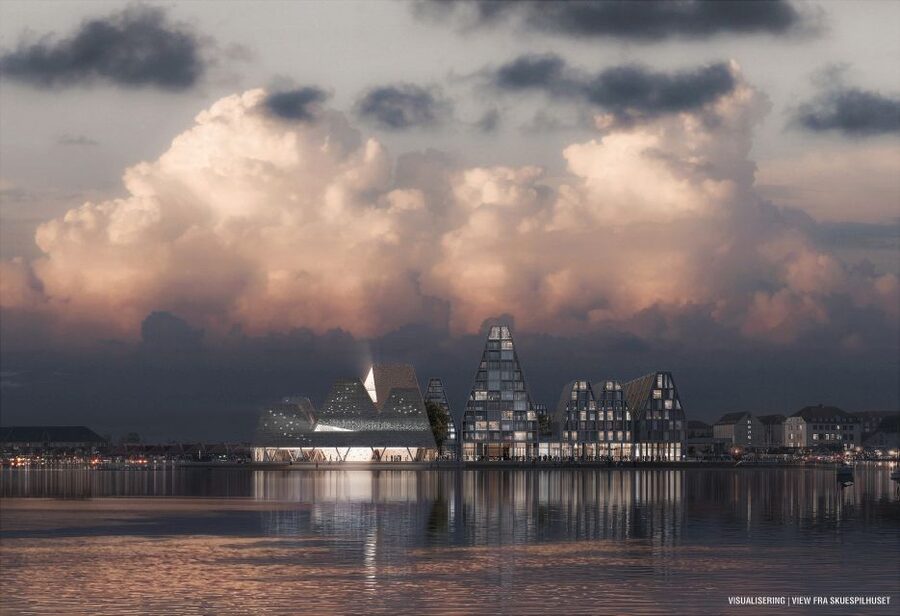
Copenhagen’s waterfront is not one single style. It is a collection of layers. Nyhavn brings narrow canal views and brightly painted houses. Newer harbor districts use open public spaces, sharp angles, unusual bridges, and large cultural buildings.
That variety gives this tour a clear purpose. You are not simply walking past attractive buildings while a guide names them. You are following the city’s change from working port to public waterfront and cultural center.
I like this kind of tour early in a Copenhagen stay because it helps you read the city. Once you understand how the harbor has changed, later walks around the canals and central districts make more sense.
The route is also practical for visitors who want architecture without spending several hours inside museums. You get outdoor views, short guided stops, and time to take photographs. The tradeoff is that the experience offers exterior visits and photo stops rather than a detailed interior tour of each building.
More Walking Tours in Copenhagen
- Private Walking Grand Tour of Copenhagen
★ 5.0 · 3,953 reviews - Copenhagen Highlights Walking Tour
★ 5.0 · 2,324 reviews - Politically Incorrect Private Highlights Walking Tour
★ 5.0 · 1,244 reviews
Starting at Ofelia Plads beside Nyhavn
The meeting point is in front of the Scandic Hotel at Ofelia Plads. This is a useful starting place, close to Nyhavn and the harbor, with an immediate sense of Copenhagen’s waterfront character.
Ofelia Plads is treated as a 15-minute guided stop. The open space gives your guide room to explain the relationship between the harbor, public gathering areas, and nearby cultural buildings. It also puts you close to the Opera House, the canal, and the historic center.
The setting is exposed, so dress for the weather. The tour operates rain or shine, and Copenhagen’s waterfront can feel cooler and windier than a sheltered street. Water and comfortable clothes are sensible choices.
From here, your walk quickly shifts between old and new Copenhagen. That is one of the route’s strengths. You do not spend the full two hours in one historic quarter or one modern development.
Nyhavn’s colorful canal and port stories
Nyhavn receives another 15-minute guided stop. The famous canal is lined with colorful houses, restaurants, and boats, but the scene has more depth than a quick photograph suggests.
Your guide explains Nyhavn’s origins as a working port and its connection with artists and writers who once lived there. The area’s appeal comes from that mixture of practical waterfront design and later cultural associations.
For photographs, look along the canal rather than only at the nearest row of houses. The water draws the eye through the district, while the buildings create a bright, compact frame. Your guide can help explain how the canalfront buildings relate to the port’s original purpose.
Nyhavn can feel busy, especially around the restaurants. The short stop is useful because it gives you context without asking you to spend the whole tour in the most crowded part of the harbor. If you want a long meal or extensive free time for photographs, you will need to return on your own.
Krøyers Plads and Copenhagen’s newer waterfront style
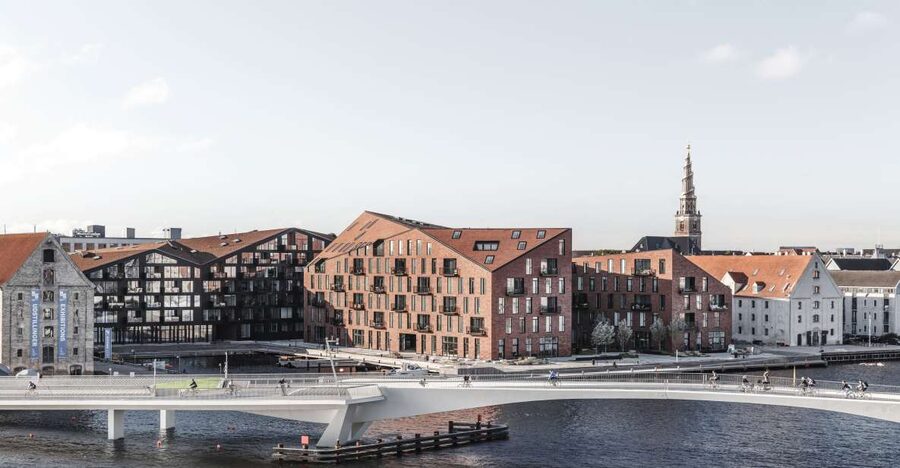
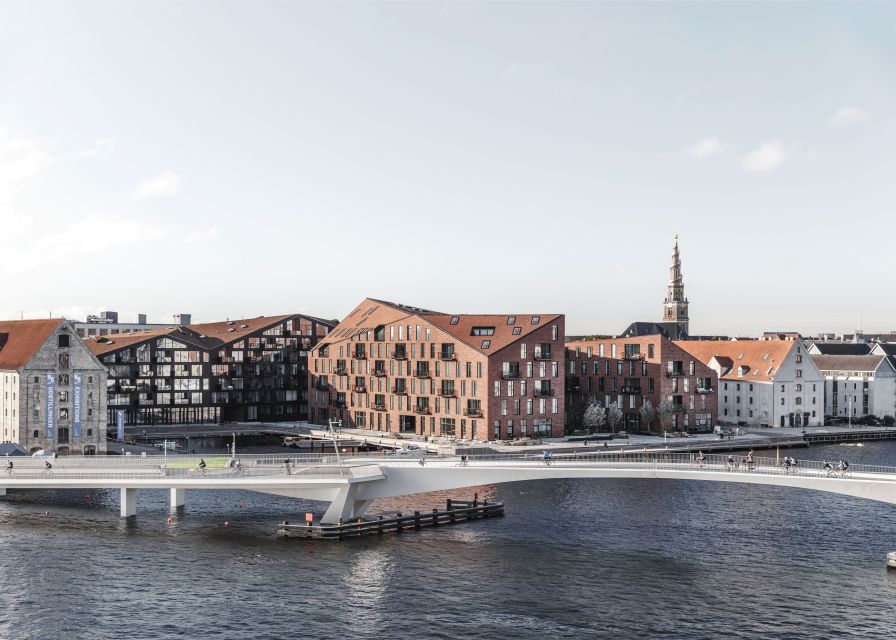
The next 15-minute stop is Krøyers Plads, where the tour shifts toward newer harbor architecture. This area helps show how Copenhagen has reused and reshaped waterfront space instead of treating the harbor as a barrier.
Here, listen for the connection between old industrial functions and newer public uses. The tour’s central theme is not simply that new buildings look different. It is that the waterfront has been made useful again as a place for culture, walking, public activity, and city life.
Krøyers Plads also gives you a good point of comparison with Nyhavn. Nyhavn feels enclosed by its canal and historic facades. Krøyers Plads opens the view and gives modern buildings more room to make their mark.
The stop is short, so you should expect a focused explanation rather than a long architectural lecture. That keeps the pace moving, though visitors with a strong interest in design may wish the tour allowed more time at some locations.
A different sort of day out, same corner of Copenhagen:
- Copenhagen: Canal Cruise with Guide
★ 4.6 · 9,115 reviews - Copenhagen: Hop-On Hop-Off Bus Tour with Boat Tour Option
★ 3.9 · 4,122 reviews - From Copenhagen: Lund and Malmö 2-Country Tour
★ 4.7 · 2,772 reviews - Copenhagen: Highlights 3 Hour Bike Tour with a Local Guide
★ 4.8 · 2,312 reviews
The Opera House from across the water
The Opera House, known locally as Operaen, is one of Copenhagen’s major waterfront landmarks. Completed in 2005, it has a distinctive design and a strong relationship with the harbor in front of it.
You view the building as part of the wider waterfront rather than as a standalone theater visit. That approach is valuable because the Opera House makes the most sense when you see its scale and position across the water.
Your guide explains the ideas behind its architecture and its links to Danish cultural identity. The building is a useful example of how Copenhagen uses major cultural projects to shape the harbor.
Do not expect admission to a performance or an interior tour. The value here is the explanation, the exterior view, and the chance to understand how the Opera House fits into the city’s public face.
Cirkelbroen, a bridge designed for movement
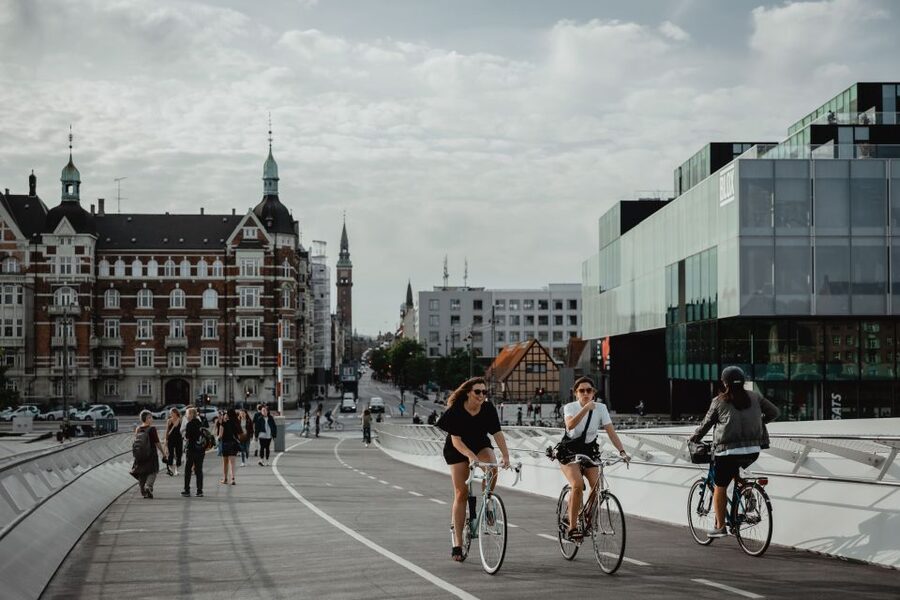
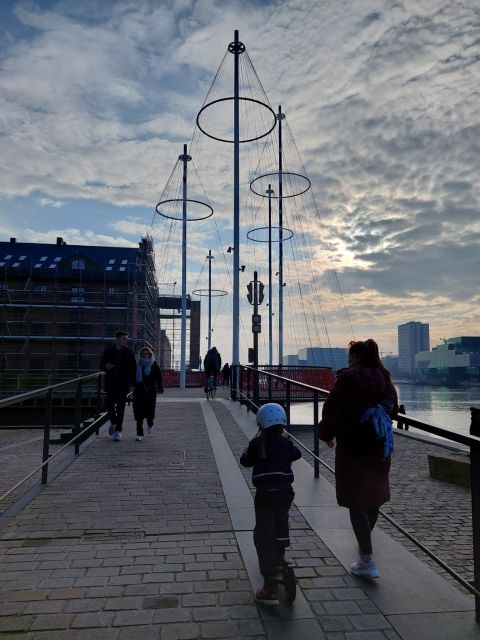
Cirkelbroen is one of the more memorable stops. This pedestrian bridge uses a circle-based design inspired by the circles of life. It connects the two sides of the harbor while giving a routine crossing a more deliberate visual character.
The bridge shows how Copenhagen treats everyday infrastructure as part of the public experience. It is not only a way to get from one side to the other. Its design changes how you move, pause, and look around.
The 15-minute guided stop gives your guide time to discuss both form and function. That balance matters. A bridge can be attractive, but it still has to work for people crossing the water. Cirkelbroen makes that relationship easy to see.
This is also one of the better places for photographs. The circles create strong shapes, while the harbor supplies changing views behind them. Keep in mind that the tour continues on foot, so use the stop for a few deliberate photographs rather than expecting unlimited time.
The Royal Library as a waterfront photo stop
The Royal Library of Denmark is listed as a 15-minute photo stop. This means the emphasis is on the exterior view and the building’s place along the harbor, not on an extended guided visit inside.
The library adds another layer to the route. You have already seen historic canal housing, modern public spaces, a major performance building, and an unusual bridge. The library brings cultural architecture into the sequence.
Photo stops can be useful on a short walking tour because they give you a pause without turning the route into a museum visit. Still, if the Royal Library is a personal priority, you should plan separate time to visit it beyond this tour.
Finishing at the Danish Architecture Centre
The route continues to the Danish Architecture Centre, or DAC, for a 15-minute guided stop. Ending with an institution devoted to architecture gives the walk a logical finish.
By this point, you have seen examples of Copenhagen’s architecture in real public settings. DAC provides a place to connect those examples with the larger ideas behind urban design, building reuse, and the city’s changing harbor.
The tour ends at Islands Brygge 4, 2300 København. This is not the same place as the starting point, so plan for a one-way walk rather than a return to Ofelia Plads. The end point can work well if you are continuing around Islands Brygge, but you should allow time to orient yourself afterward.
The supplied details do not promise entry into DAC, so treat this as a guided exterior or area stop unless your booking information says otherwise. The main benefit is the architectural context your guide adds to the route.
What the private format is worth
At $394 per group of up to two, this is not a budget walking tour. For one person, the cost is especially high. For two people who want a private guide, the per-person price becomes easier to accept, though it remains far above a standard group walk.
The private format gives you more control than a large tour. You can ask about a particular building, request clarification, and spend your attention on architecture rather than general sightseeing. That matters if you already know Copenhagen’s basic attractions and want a more focused theme.
I would judge the value by your interest in design and personal guiding. If you simply want to see Nyhavn and take harbor photographs, you can visit those places without paying for a private tour. If you want the connections explained, the price buys concentrated attention and a clear route through several different areas.
The two-hour length also affects the calculation. It is long enough for a useful introduction, but not long enough for extensive interior visits or leisurely time at every stop. Think of it as an architectural orientation, not a full-day study of Copenhagen design.
Guide style, language, and practical comfort
The tour is offered in English or Spanish. Guide Dalit is specifically praised for her enthusiasm, and that quality matters on a route where much of the appeal comes from explanation rather than admission to attractions.
One recent booking described the guide’s enthusiasm as making Copenhagen shine brighter. Another praised the guide’s strong grasp of the subject and called the harbor route a great way to learn about the city. Those comments point to the experience’s most praised feature: the quality and energy of the guiding.
You should wear comfortable clothing and bring water. The tour takes place outdoors and continues in poor weather, so a rain layer is sensible even if the forecast looks promising.
The route is not suitable for people with mobility impairments or wheelchair users. The details do not provide a total distance or exact walking surface, so ask the provider for more information if walking comfort is a concern.
Who will get the most from this walk
I would recommend this tour to couples, architecture students, design-minded visitors, and anyone who wants a private introduction to Copenhagen’s harbor redevelopment. It also suits a first visit if you like to understand a city through its buildings rather than only through famous sights.
The walk may be less useful if your main goal is shopping, restaurant time, or entering major attractions. It is also a poor fit if you want a slow pace with long breaks, since the schedule assigns roughly 15 minutes to each principal stop.
Photography fans should like the route. Nyhavn offers colorful canal scenes, the Opera House gives you a strong harbor subject, Cirkelbroen provides graphic shapes, and the Royal Library adds a cultural building to the collection.
You should also be comfortable with a one-way route. The start is at Ofelia Plads, while the finish is at Islands Brygge. That can be an advantage if you want to continue exploring, but it requires a little planning.
Should you book this Copenhagen harbor tour?
Book it if you want a private, architecture-focused walk and are happy to pay for a guide’s personal attention. The route covers more than the usual Nyhavn photograph, connecting the old port with new public spaces, cultural buildings, and inventive infrastructure.
Skip it if $394 feels too high for two hours, or if you mainly want independent sightseeing. You can see several of the sites without a guide, and the tour does not include food, drinks, hotel transfers, or promised interior admissions.
For the right audience, the walk offers a compact way to understand why Copenhagen received the World Capital of Architecture title in 2023. The strongest reason to book is not the number of stops. It is the guide’s ability to explain how the harbor changed, and how Copenhagen made architecture part of everyday public life.
FAQ
How long does the Copenhagen Harbor Architecture Private Walking Tour last?
The tour lasts two hours.
Where does the tour start?
The meeting point is in front of the Scandic Hotel at Ofelia Plads, near Nyhavn. The supplied starting address is Sankt Annæ Pl. 21.
Where does the tour finish?
The tour ends at Islands Brygge 4, 2300 København, Denmark.
Which places are included on the walking route?
The route includes Ofelia Plads, Nyhavn, Krøyers Plads, Cirkelbroen, the Royal Library of Denmark, and the Danish Architecture Centre. The Opera House and Papiroen are also part of the harbor architecture experience described for the tour.
What languages are available?
The live guide is available in English or Spanish.
Is this a private tour?
Yes. It is a private group experience for up to two people.
Is the tour suitable for wheelchair users?
No. The experience is not suitable for wheelchair users or people with mobility impairments.
Just added around Copenhagen
- walking tour – Copenhagen and Christiansborg 3 hours★ 4.0 · 7 reviews
- Copenhagen Walking Tour with Food Testing (smorrebrod dish & snap)★ 4.5 · 10 reviews
- The Hunt For The Six Forgotten Giants★ 5.0 · 45 reviews
- The Philosopher’s Last Walk: An audio tour on the life of Søren Kierkegaard★ 4.5 · 5 reviews
- Small Group Guided Food Tour and Street Art Visit to Norrebro★ 5.0 · 9 reviews
- The Six Forgotten Giants Trolls Hunt with Minibus★ 4.5 · 27 reviews
- The Foodie Tour of Copenhagen★ 5.0 · 14 reviews
- The Forgotten Giants Private Tour★ 5.0 · 3 reviews
Walking Tours, compared.


Past & Present Small Group Guided Walking Tour
Read our review →
Walking Tour in Bergen of the Past and Present
Read our review →
Browse the lists this tour appears in