
Reviewed · FORGOTTEN GIANTS TOURS
Copenhagen: Six Forgotten Giant Sculptures Tour by Bus
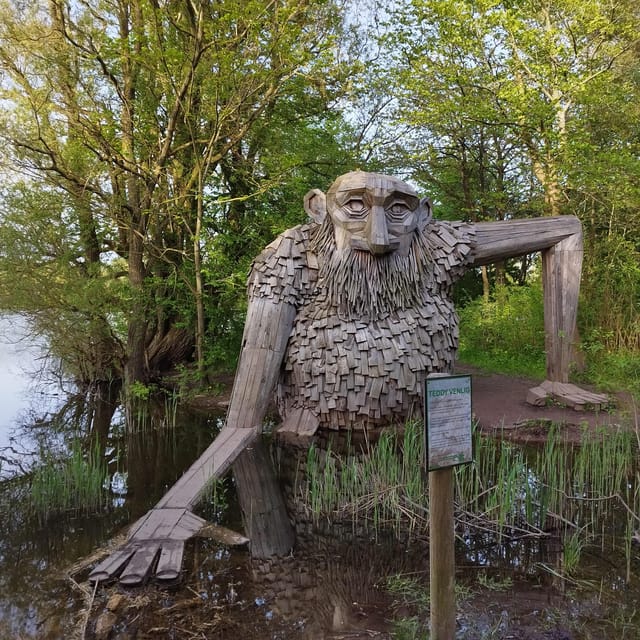
The fun begins with a giant wooden troll hiding in the Danish countryside, not behind a museum ticket desk. This four-hour hunt takes you to six Thomas Dambo sculptures scattered across the western municipalities of Copenhagen, with short walks through fields and green spaces between bus rides.
I love the treasure-hunt feel, and I like that the tour gets you beyond the city center without asking you to rent a car. The bus keeps the day organized, while the sculptures give you a reason to see quiet corners of Zealand that are easy to miss.
The main drawback is the price: $135 per person is a serious spend for a half-day outing, especially since food and drinks are extra. You also spend a fair amount of time on the bus, and some people may want more explanation about Dambo’s art and the meaning behind each piece.
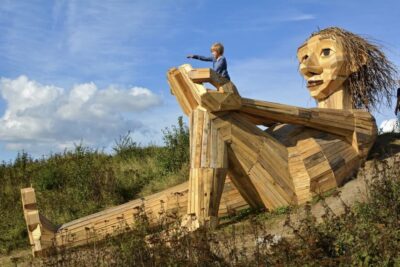
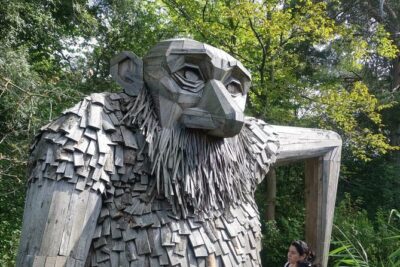
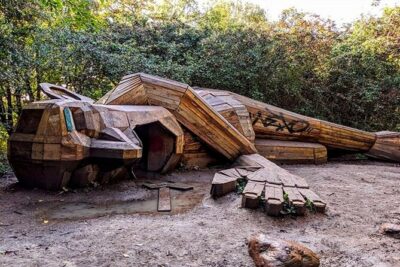
Six scrap-wood giants hiding outside Copenhagen
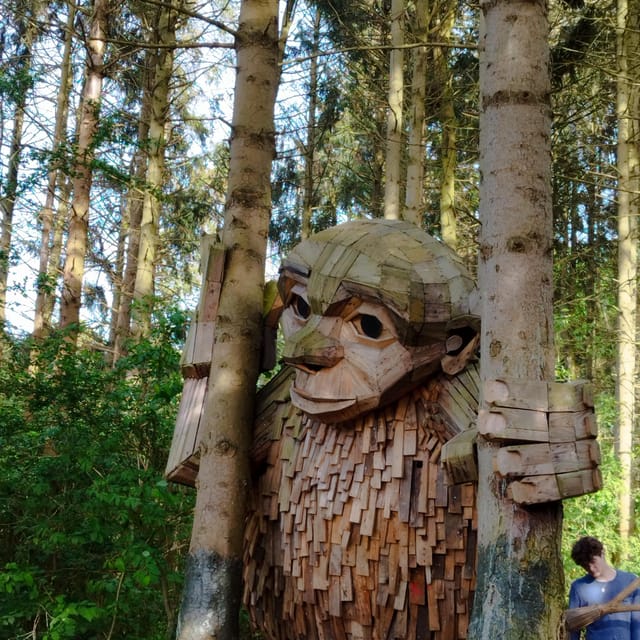
Thomas Dambo’s Forgotten Giants project brings art into open-air places rather than keeping it inside a gallery. The sculptures were made from scrap wood, with help from local volunteers, and each one sits in a different spot around Copenhagen’s western suburbs.
That setting is half the point. You are not simply checking six sculptures off a list. You are walking into fields, wooded patches, and overlooked nature areas to find them. The search gives the outing a light adventure quality, while the remote locations show you a quieter side of Denmark.
The project also reflects Dambo’s wider interest in recycled materials. His work includes wooden sculptures made from discarded timber, as well as pieces built from plastic and cardboard. The six giants are especially appealing if you like public art with a playful edge and a clear environmental message.
You do not need to be an art specialist. The figures are large, friendly, and easy to appreciate at a glance. Children and adults can enjoy the hunt for different reasons: younger visitors get the excitement of finding trolls, while adults can think about reuse, local participation, and how art changes the feel of an ordinary outdoor place.
Starting near Copenhagen Central Station
The meeting point is the CPH Tours & Tickets office, about two minutes from Copenhagen Central Station. That location makes the tour practical if you are staying in the city center or arriving by train. There is no hotel pickup or drop-off, so you need to make your own way to the office.
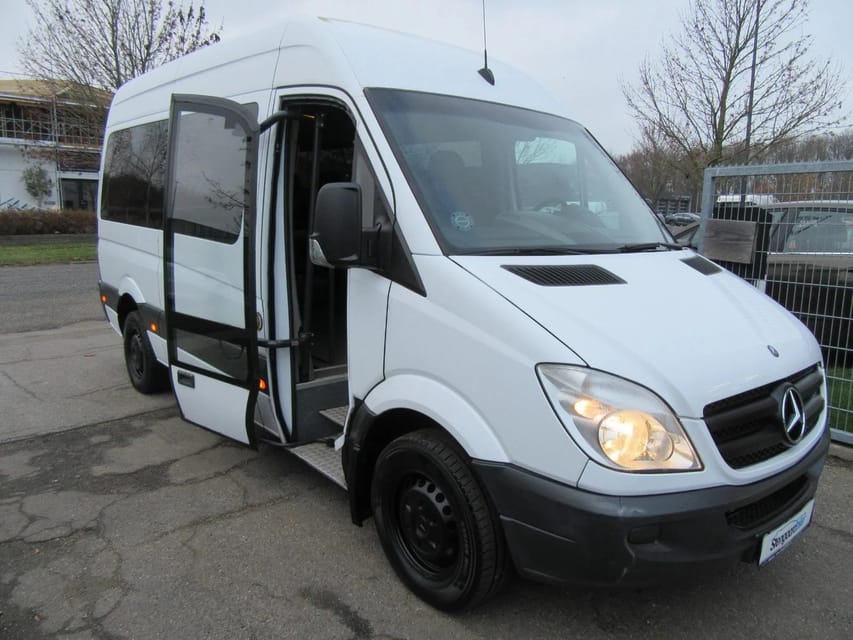
From there, you board a bus for the first ride, which takes about 30 minutes. The vehicle used on the tour has WiFi and phone chargers, according to the available tour details, and you can bring snacks to eat along the way. Those small comforts matter because the route covers several municipalities and includes repeated drives between sculpture sites.
The tour is conducted in English. Guide Vinod has led the outing, keeping the schedule organized and leaving on time. A well-run timetable is important here. Six separate sculpture stops could easily become a rushed scramble, but the planned route gives you a reasonable amount of time at each location.
You should expect a group excursion rather than a private art walk. The guide handles navigation, timing, and the story of the project while the driver deals with the long connections between sites.
More Forgotten Giants Tours in Copenhagen:
- The Forest Tower and Forgotten Giants-A day tour from Copenhagen
★ 4.5 · 162 reviews - Copenhagen: The Six Forgotten Giants Hunt and Nature Walk
★ 5.0 · 95 reviews - Copenhagen: The Forest Tower & Forgotten Giants Trolls Trip
★ 4.7 · 76 reviews
Sleeping Louis starts the search
The first sculpture is Sleeping Louis, reached after the opening bus ride. You get about 15 minutes for the visit, including a guided introduction and time to look around.
Starting with a reclining giant sets the tone nicely. The sculpture is designed to be found, so the first stop feels more like discovering a character in the woods than arriving at a formal attraction. The short visit also gives you a quick introduction to how the day works: leave the bus, walk to the sculpture, take photographs, hear about the project, and return on schedule.
The first stop is not the longest, so do not expect a full lecture. It works best as an opening encounter. If you want extensive information about the artist, the materials, and the symbolism of every figure, you may find the commentary limited.
Hilltop Trine and the reward of the walk
After about 15 minutes on the bus, you reach Hilltop Trine. The scheduled visit lasts around 20 minutes. The name suggests the sculpture’s position, and the walk to it forms part of the attraction rather than being a mere transfer from parking area to artwork.
The exact amount of walking can vary by site, but this is not a bus-only sightseeing trip. You go into fields and outdoor areas to uncover the giants. Comfortable shoes are a smart choice, and you should be ready for uneven ground or damp conditions depending on the weather.
Hilltop Trine is a good example of why the tour appeals to people who have already seen Copenhagen’s central sights. You exchange grand buildings and canals for open space, local roads, and small natural areas. It gives you a better sense of the region outside the postcard center.
Oscar Under the Bridge gets the longest early visit
The bus ride to Oscar Under the Bridge takes about 20 minutes, followed by roughly 40 minutes at the sculpture. This is one of the longer stops and gives you more time to examine the work and enjoy its unusual setting.
The name tells you to expect a sculpture placed beneath a bridge, which is exactly the sort of overlooked location the project favors. Rather than hiding art in a polished public square, Dambo uses spaces people might normally pass without a second look.
I like the way this stop connects the artwork to its surroundings. The bridge is not just a backdrop. It helps create the feeling that Oscar has been discovered rather than installed for a formal exhibition. You have time for photographs, a closer look at the scrap wood construction, and a pause before moving on.
This is also where the bus-based format shows its value. Finding six remote sculptures independently would require careful route planning and several separate drives. The guided bus handles that work for you, leaving you to focus on the hunt.
More Bus Tours in Copenhagen:
- Copenhagen: Hop-On Hop-Off Bus Tour with Boat Tour Option
★ 3.9 · 4,122 reviews - City Sightseeing Copenhagen Hop-On Hop-Off Bus Tour
★ 3.5 · 800 reviews - Copenhagen: City Sightseeing Hop-On Hop-Off Bus Tour
★ 4.3 · 709 reviews - Copenhagen: Hop-On Hop-Off Bus Tour with Audio Guide
★ 4.2 · 100 reviews
A short pause at Spisestedet Mosen
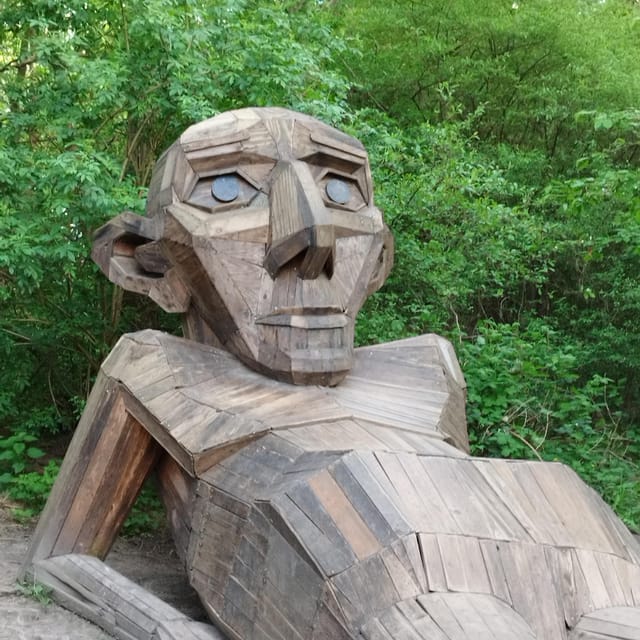
After Oscar Under the Bridge, you take a 15-minute bus ride to Spisestedet Mosen for a 10-minute break. This is a short pause, not a full meal stop, and food and drinks are not included in the tour price.
Bring a snack if you know you will want something more than a quick rest. The route allows you to bring food onto the bus, which is useful because the day moves steadily from one sculpture to the next.
The break is well placed. By this point, you have already visited three giants and spent time walking outdoors. Ten minutes will not turn the trip into a leisurely lunch, but it gives you a chance to reset before the final three stops.
Little Tilde brings the hunt back to the open air
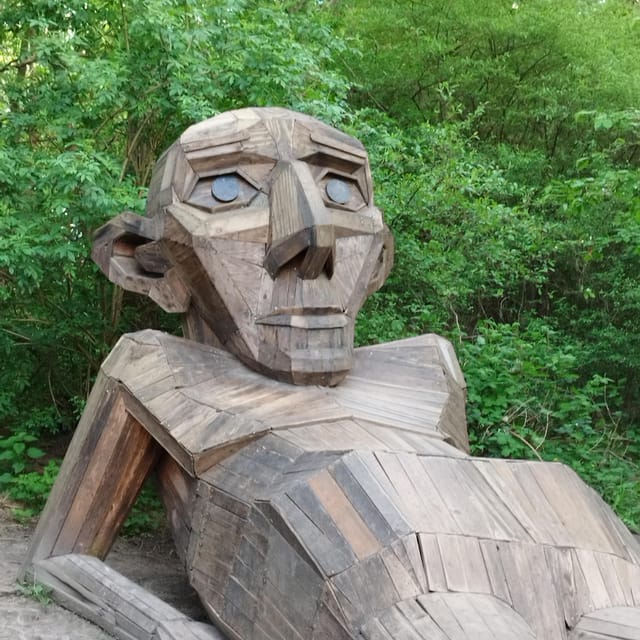
Little Tilde is next, with about 20 minutes set aside for the visit. Like the other sculptures, it sits away from Copenhagen’s main tourist routes, so reaching it involves a short walk from the bus.
The smaller-sounding name adds variety to the group of giants. The project is not about making six identical figures. Each sculpture has its own name, position, and personality, and the changing settings keep the experience from feeling like the same stop repeated six times.
You will want to keep your camera ready, but do not spend the entire visit looking through a screen. The scale of these sculptures is easier to appreciate when you step back and see how they fit into the surrounding trees, fields, or infrastructure.
Thomas on the Mountain gives you the longest final stop
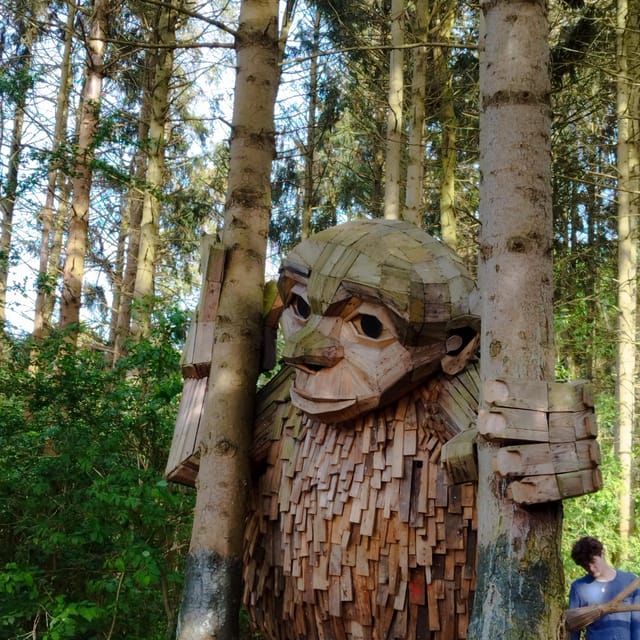
Thomas on the Mountain receives about 40 minutes, making it another major stop on the route. The longer visit gives you time to walk around the sculpture, hear more from the guide, and take in the surrounding area without being hurried.
This stop is particularly useful if you want more than a quick photograph. The project’s appeal comes from the relationship between the giant and its location, and a longer pause lets you notice that relationship. The sculpture is made from recycled wood, but the setting gives it much of its character.
The tour information does not promise a detailed art talk at every location. If you are curious about why Dambo chose a certain shape or location, ask the guide directly. The supplied tour details note a desire for more information about the artist and the meaning of each work, so the depth of commentary may depend on the guide and the questions asked.
Friendly Teddy closes the route
The final sculpture is Friendly Teddy, also identified as Thomas Dambo’s number 14. You have around 20 minutes here before the final bus ride back to Copenhagen.
Ending with a sculpture named Friendly Teddy keeps the mood easy and playful. After a full afternoon of walking, bus rides, and photo stops, it is a fitting final character before returning to the city.
The last ride takes about 30 minutes. You arrive back at the CPH Tours & Tickets office, close to Copenhagen Central Station, with the rest of the evening free.
What the bus adds to a remote art tour
The bus is not just a way to get from one attraction to another. It is the part that makes this particular route realistic for most visitors. The six sculptures are spread across Rødovre, Hvidovre, Vallensbæk, Ishøj, Albertslund, and Høje Taastrup. Reaching them independently would mean working out several separate routes and finding each sculpture in areas that are not traditional sightseeing stops.
The route includes about two and a half hours of driving or transfers, depending on how the times are counted, so you should be comfortable with a moving sightseeing day. The benefit is efficiency. You can see all six giants in four hours instead of turning the project into a full day of navigation.
WiFi and phone chargers make the rides easier, especially if you are taking photographs or using a map before and after the tour. You can also bring snacks. Those details will not matter much to everyone, but they make a difference on a tightly scheduled outing.
One limitation is that the bus commentary may not fill every minute. If you want a running explanation of Copenhagen, Danish culture, and Dambo’s full body of work, this may feel light. The tour’s strongest feature is access and organization, not an intensive art-history lecture.
Is $135 a fair price?
At $135, this is not a bargain bus ride. You are paying for a guide, transportation, route planning, and access to six distant public artworks in a four-hour package. Food and drinks are not included, and there is no hotel transfer.
I think the price makes the most sense if you value convenience. Renting a car, locating all six giants, planning the order, and handling parking or walking routes would take time and effort. You also avoid the risk of missing one of the sculptures or spending too long trying to find a remote site.
The price is harder to justify if you are happy to see only one or two sculptures, or if you prefer to explore at your own pace. The tour follows a fixed schedule, with visits ranging from 15 to 40 minutes. You cannot linger at one site for an hour without affecting the rest of the group.
A practical advantage is the flexible booking policy. You can cancel up to 24 hours before the tour for a full refund, and the reserve-now, pay-later option keeps your plans open. Check the available starting times before booking.
Who should book this tour?
I would choose this for families, first-time visitors who want to see beyond central Copenhagen, and anyone who enjoys public art with a playful twist. It is also a good fit if you want a countryside outing but do not want to organize transport yourself.
The tour suits you best if you are comfortable with short walks through outdoor areas, a fixed timetable, and several bus rides. Wear shoes suitable for fields and bring water or a snack, since the only listed break lasts about 10 minutes and refreshments are not included.
Art fans may enjoy the recycling story and the way each sculpture uses its setting. Still, you should set your expectations correctly. This is a light, active sightseeing trip with art commentary, not a museum seminar.
Younger children may like the hunt for trolls, while adults can appreciate the use of discarded wood and volunteer help. The sculptures are visually strong enough to make the outing work even if you know little about contemporary art.
The six giants at a glance
- Sleeping Louis: The first sculpture, with a 15-minute visit after the opening 30-minute bus ride.
- Hilltop Trine: A 20-minute stop reached after a short transfer and outdoor walk.
- Oscar Under the Bridge: A 40-minute visit in an unusual spot beneath a bridge.
- Little Tilde: A 20-minute stop that keeps the route moving through quiet outdoor areas.
- Thomas on the Mountain: One of the longest visits, with about 40 minutes to explore.
- Friendly Teddy: The final sculpture, followed by a 30-minute return to Copenhagen.
Should you book the Six Forgotten Giants tour?
Book it if you want an easy, unusual half-day outside Copenhagen and like the idea of hunting for large recycled-wood sculptures in places you would probably not reach alone. The bus, guide, and organized route are the real value, and the tour lets you see all six giants without building your own transport plan.
Skip it if $135 feels too high for a four-hour outing, if you dislike scheduled stops, or if you want detailed commentary about every artwork. For most people who enjoy a playful outdoor adventure, though, this is a memorable change from city sightseeing, with enough nature, art, and oddball charm to earn its place on a Copenhagen itinerary.
FAQ
Where does the tour begin and end?
The tour begins and ends at the CPH Tours & Tickets office, about two minutes from Copenhagen Central Station.
How long does the tour last?
The tour lasts four hours, including bus travel and visits to all six sculptures.
Is the tour conducted in English?
Yes. The tour includes a live English-speaking guide.
Are hotel pickup and drop-off included?
No. You need to reach the central meeting point yourself, and hotel pickup and drop-off are not included.
Is food included?
No. Food and drinks are not included. You can bring snacks to eat on the bus, and the route includes a short 10-minute break at Spisestedet Mosen.
Can I cancel the booking?
Yes. You can cancel up to 24 hours in advance for a full refund. A reserve-now, pay-later option is also available.
Just added around Copenhagen
- walking tour – Copenhagen and Christiansborg 3 hours★ 4.0 · 7 reviews
- The Hunt For The Six Forgotten Giants★ 5.0 · 45 reviews
- Copenhagen Walking Tour with Food Testing (smorrebrod dish & snap)★ 4.5 · 10 reviews
- The Philosopher’s Last Walk: An audio tour on the life of Søren Kierkegaard★ 4.5 · 5 reviews
- Small Group Guided Food Tour and Street Art Visit to Norrebro★ 5.0 · 9 reviews
- The Six Forgotten Giants Trolls Hunt with Minibus★ 4.5 · 27 reviews
- The Foodie Tour of Copenhagen★ 5.0 · 14 reviews
- The Forgotten Giants Private Tour★ 5.0 · 3 reviews
Forgotten Giants Tours, compared.

The Forest Tower and Forgotten Giants-A day tour from Copenhagen
Read our review →
The Forest Tower & Forgotten Giants Trolls Trip
Read our review →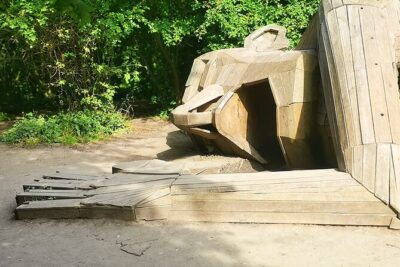
The Six Forgotten Giants Trolls Hunt with Minibus
Read our review →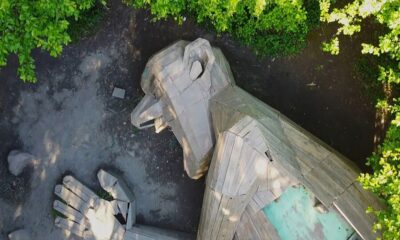
Browse the lists this tour appears in