
Reviewed · WALKING TOURS
Make Your Own Tour – Guided Walking Tour
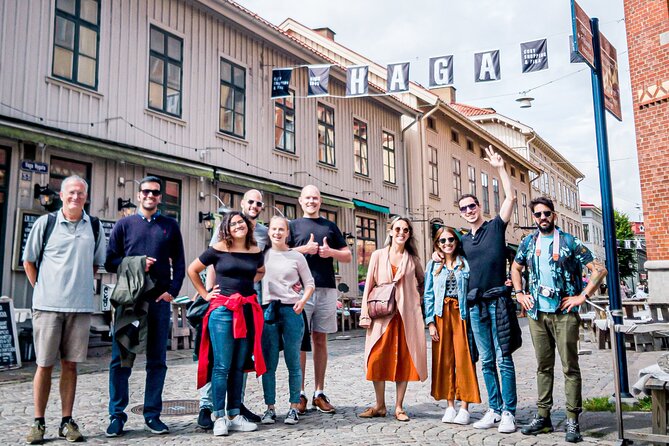
Gothenburg reveals itself best on foot, and this private walk lets you connect its main sights without being tied to a fixed group route. You can ask for history, food, architecture, local oddities, or a mix of all four. The route moves from Gustav Adolfs Torg and the cathedral to Feskekorka, Haga, and the hilltop church of Masthuggskyrkan.
I especially like the flexible itinerary and the chance to ask questions as you go. The guide can adapt the walk to your interests, and guide Christina is praised for being friendly, punctual, and prepared with a plan that matched her group’s interests. The free admission at every listed stop also keeps the focus on the city streets rather than ticket counters.
The main concern is the price: $735.72 per person is a large outlay for a walk of roughly 90 minutes to two hours. The listed stop times also add up to longer than the stated tour duration, so ask how many stops your group can reasonably cover before booking.
Key points to know before you book
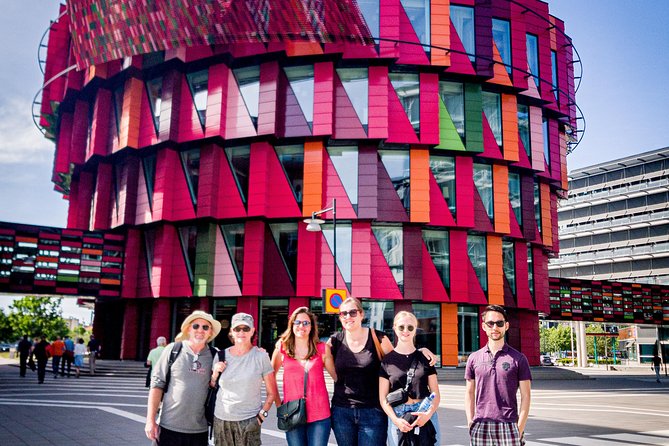
- A private route through central Gothenburg: Only your group participates, so you can shape the conversation and pace around your interests.
- A good mix of landmarks and local flavor: The walk includes a cathedral, market hall, fish market, cafés, historic squares, unusual buildings, and a hilltop church.
- Masthuggskyrkan supplies the big view: The church sits above the city and gives the walk a welcome change of level.
- Haga adds a Swedish fika stop: Haga Nygata is a natural place for coffee and something sweet, though coffee and tea cost extra.
- English service with a flexible start: The listed start time is 11:00 a.m., and the experience is offered in English.
- A costly option for a short walk: Group discounts may help, but you should confirm the final price and route length.
Why a private walk works well in Gothenburg
Gothenburg is easy to approach as a collection of separate neighborhoods. One minute you are in a formal square with a statue of the city’s founder. Soon after, you are near a market hall, a fish market, a café street, or a church on a hill. A guide helps connect those pieces so you are not simply ticking off names on a map.
The private format matters here. You are not trying to keep up with strangers or wait for a large group to gather. You can ask for more detail at the cathedral, move quickly past a place that does not interest you, or give extra time to food and café stops. Children and infants join free, which can make the arrangement more practical for families.
The walk is offered in English and begins at 11:00 a.m. at Gustav Adolfs Torg. It ends back at the meeting point, so you do not need to arrange a separate ride from an unfamiliar part of town. Public transport tickets are not included if they are needed, and the route may require transport depending on how your guide adapts it.
The experience is listed as about one hour and 30 minutes to two hours. That is enough time for a brisk overview, but not enough for a full visit inside every place named. Entrance fees for museums are also not included. Think of this as an outdoor orientation and storytelling walk, not a museum tour.
More Walking Tours in Gothenburg
- Gothenburg: Haga Old Town Walking Tour
★ 4.5 · 205 reviews - Gothenburg Private Walking Tour with a Local
★ 4.0 · 36 reviews - Best of Gothenburg: Private Walking Tour with a Local
★ 4.6 · 24 reviews
Gustav Adolfs Torg and Gothenburg’s founding story
Begin at Gustav Adolfs Torg, the city’s main square. The statue of Gustav Adolf, described as the city’s founding father, gives the guide an easy starting point for explaining how Gothenburg began and why this square matters.
This is a useful first stop because it places you in the city center and sets up the rest of the route. Look for the contrast between the formal square and the streets that lead toward the market district. Your guide can also use the statue as a reference point when explaining later sights.
The scheduled time here is 15 minutes. That is enough for an introduction and a few questions, but not a long architectural survey. If you are especially interested in Gothenburg’s founding, say so at the beginning. The private format gives the guide a clear signal about where to spend time.
Gothenburg Cathedral and a difficult past
Göteborg Domkyrkan is described as Gothenburg’s oldest cathedral, with a difficult history. It offers a more serious pause after the open civic space of Gustav Adolfs Torg.
You should treat this as an exterior-focused stop unless you arrange otherwise. The tour data does not include admission to museums or other paid interiors, and no separate cathedral entry is promised. The 15-minute visit is best used for the building’s story, its role in the city, and the reasons its past has been difficult.
This is one place where a private guide can add real value. A short explanation of rebuilding, change, or local conflict can give the church more meaning than a quick photograph. If your group prefers architecture over political history, ask the guide to focus on the building itself.
Stora Saluhallen for a taste of Gothenburg
Stora Saluhallen is Gothenburg’s large market hall and a natural food stop. The tour allows only five minutes here, so do not expect a full meal or a relaxed browse through every stall.
You can use the brief visit to see the hall and ask about Swedish delicacies. If you want to buy something, you will need to keep an eye on the clock. Food is not included in the tour price, so any tasting or purchase comes from your own budget.
I like this stop because it keeps the walk connected to ordinary city life. A market hall gives you a sense of what people eat and buy, not just what appears in guidebooks. Still, five minutes is tight. Tell the guide if food is a priority, since the route is private and may be adjusted.
More Walking Tours in Sweden
- Gothenburg : Private Walking Tour with A Guide (Private tour)
★ 4.0 · 19 reviews - Historical Walking Tour in Restaurant and Bars in Central City
★ 5.0 · 9 reviews - Gothenburg: Express Walk with a Local in 60 minutes
★ 4.8 · 6 reviews - Gothenburg: Private Walking Tour with a Guide
★ 3.6 · 3 reviews
Karl IX, old walls, and the city’s early defenses
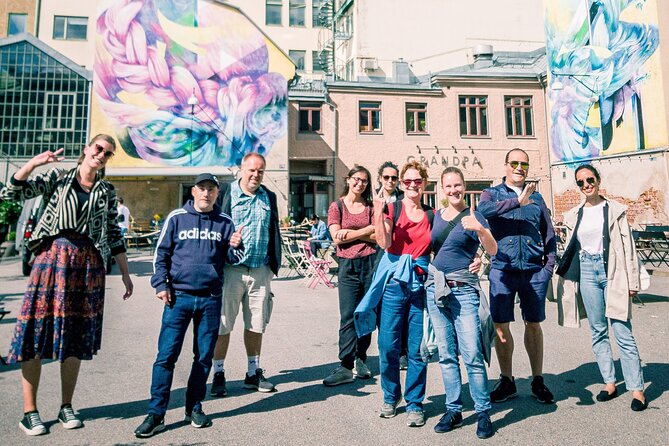
The equestrian statue of Karl IX marks the place where Gothenburg’s city walls once stood. It is also linked to another founding figure in the city’s story.
This stop adds physical context. Instead of hearing only about old defenses, you are standing where those walls used to be. The 15-minute visit should allow time to understand the site and compare the historic boundary with the modern city around it.
The statue may not take long to see on its own, so its value depends on the guide’s explanation. Ask how the walls shaped Gothenburg if that part of the story interests you. The stop works best as a bridge between the city’s early development and the streets you are walking through now.
Queen Christina’s Hunting Lodge, one of Gothenburg’s oddities
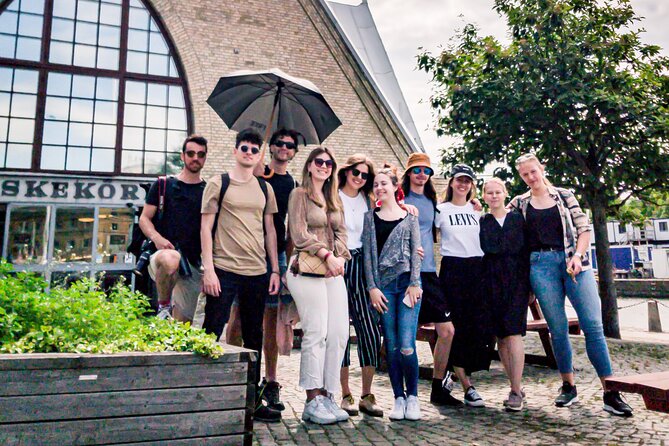
Drottning Kristinas Jaktslott, or Queen Christina’s Hunting Lodge, is presented as one of Gothenburg’s unusual sights, surrounded by myths. That makes it a welcome change from the standard square-and-church sequence.
The phrase hunting lodge can suggest a grand country retreat, but the important point here is the building’s odd character and the stories attached to it. Let the guide separate local legend from established fact. You will get more from the stop if you enjoy small mysteries and unusual corners rather than only major monuments.
The scheduled visit is 15 minutes. No museum entrance is included, so plan on hearing the story from outside unless your guide arranges an optional paid visit. This is exactly the kind of place that benefits from a local guide because its appeal may not be obvious at first glance.
Feskekorka and Gothenburg’s seafood identity
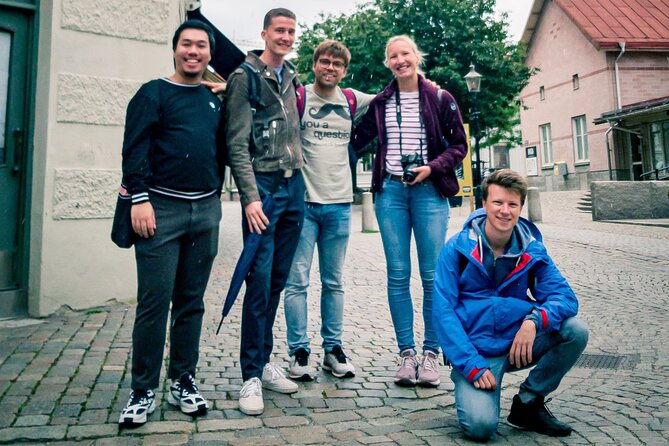
Feskekorka is one of Gothenburg’s best-known landmarks and a place for a fish market. Its name and distinctive character make it an easy stop to remember, even if you are not planning to buy seafood.
The listed time is 10 minutes. That is enough to see the landmark, learn why it matters, and perhaps look at the market. It is not enough for a leisurely seafood lunch. Any food or drink is extra, as are purchases from the market.
This stop also gives the route a strong local flavor. Gothenburg’s relationship with the sea is part of the city’s identity, and a fish market makes that connection concrete. Ask your guide about local seafood if you want the route to lean toward food rather than architecture.
Akademibokhandeln and a change from day to night
Akademibokhandeln is described as one of Gothenburg’s main connection points in the 19th century. Today, the area is associated with nightlife and access to cafés.
The scheduled 15 minutes here let the guide explain how the area has changed. That shift from an older transport or meeting role to cafés and evening activity gives you a glimpse of how city districts take on new uses.
This is not necessarily a major landmark in the way a cathedral or hilltop church is. Its value lies in the story of change. If you are interested in modern city life, café culture, or nightlife, ask for more detail. If your priority is classic architecture, you may prefer to keep this stop brief.
Masthuggskyrkan and the best view on the walk
Masthuggskyrkan sits on a hill above Gothenburg and is one of the walk’s strongest stops. The church itself is important, but the view over the city is the real reward.
The itinerary allows 30 minutes here, the longest single stop before Haga. That extra time makes sense. You need time to reach the viewpoint, look across the city, and hear about the church without rushing.
This is also where the route may feel more demanding. The tour is a walking experience, and the church is on a hill. The information does not specify the exact accessibility conditions, so ask the provider if anyone in your group has mobility concerns. Service animals are allowed, most people can participate, and the tour is near public transportation.
If you want one clear reason to choose this walk over a flat city-center stroll, Masthuggskyrkan is it. The view gives you a better sense of Gothenburg as a whole, rather than as a string of separate streets.
Haga Nygata and the Swedish fika break
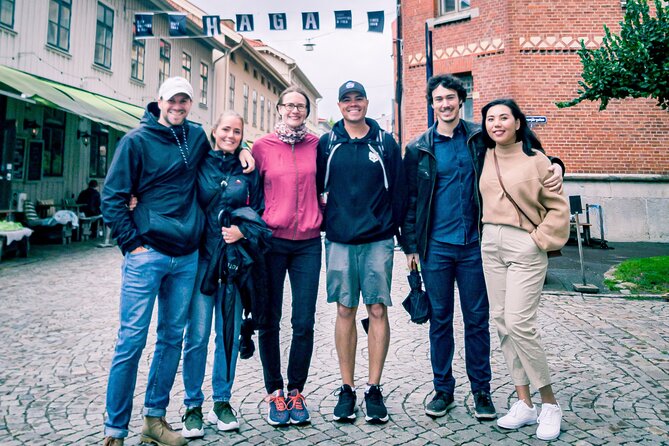
Haga Nygata is one of Gothenburg’s best-known districts, but it also has a darker past. That contrast is useful. Pretty streets and cafés do not tell the whole story of a neighborhood, and a guide can explain what lies behind the pleasant surface.
The stop allows 35 minutes, making it the best place for a Swedish fika, a coffee break with something to eat. Coffee and tea are not included, so budget separately. The itinerary does not promise a particular café or pastry, but the guide can help you understand why fika matters as a social custom.
I would ask for this stop to stay in the plan even if you are short on time. Haga gives the walk a slower rhythm after the landmarks and viewpoints. It also lets you experience Gothenburg through a daily habit rather than only through monuments.
The main caution is timing. If you sit down for fika, the rest of the route may need to be shortened. Since the total experience is only about 90 minutes to two hours, you should tell the guide early whether coffee is a must or simply a nice extra.
Haga Church and a wooden interior
The Haga Church is described as the first neo-Gothic church in the area, with a beautiful wooden interior. The listed visit is 10 minutes, so expect a quick look rather than a long church visit.
This stop follows Haga Nygata naturally. It gives you a chance to compare a religious building with the district’s cafés and shops. If the interior is open and accessible during your visit, it may be one of the more atmospheric short stops on the route, but the supplied details do not guarantee entry.
If you care about church interiors, ask about this before the walk begins. The guide can tell you what is realistic within the available time and whether an entrance fee applies. Museum entrance fees are not included, and no separate interior ticket is promised for this church.
Tomtehuset, a small curiosity by the street
Tomtehuset is another Gothenburg oddity, located right beside the streets. The scheduled time is only five minutes, which tells you how to approach it: pause, hear the explanation, take a look, and move on.
Small sights like this can be easy to miss when you explore alone. They also help prevent the walk from becoming a standard list of major landmarks. If you enjoy folklore, unusual buildings, or local details that do not fit neatly into a city plan, this should appeal to you.
Do not expect a large attraction or a long visit. Its purpose is the story and the surprise of finding something distinctive in an ordinary street setting.
Götaplatsen and the Poseidon statue
The walk finishes its listed sequence at Götaplatsen, home to the Poseidon statue and a setting for many Gothenburg activities. It is one of the city’s most recognized public places and gives the route a strong visual ending.
A 15-minute stop allows time for the statue, the square, and the guide’s explanation of its role in local life. It is also a useful place to ask about events and activities in Gothenburg, since the square is tied to public gatherings.
The supplied meeting details say the activity ends back at Gustav Adolfs Torg. Because Götaplatsen is listed as part of the route while the end point returns to the starting square, confirm how the guide handles this section. The route may use public transportation or a shortened version, and those tickets are not included if needed.
What $735.72 per person really buys
At $735.72 per person, this is not a budget walking tour. The free admission at the listed stops helps, but the price is paying mainly for private guiding, personal attention, schedule flexibility, and the ability to adapt the route.
That value depends heavily on group size and your priorities. For a larger group sharing the private guide, the per-person cost may feel more reasonable, especially since group discounts are available. For one or two people, the price is much harder to justify for a 90-minute to two-hour experience.
Before booking, ask for the exact total for your party and how the group discount works. Also clarify whether the quoted price changes with the number of participants. Coffee, tea, food, museum entry, and public transportation are extra, so add those costs if you want a fuller outing.
A shorter standard tour may offer better value if you simply want the main sights. This private option makes more sense when your group needs a custom pace, has special interests, includes children or infants, or wants direct conversation with a guide.
Who will get the most from this walk
I would recommend this experience to:
- Families who want a private setting and free participation for children and infants.
- First-time visitors who want a broad look at Gothenburg in a short period.
- Small groups with specific interests in food, local stories, churches, or unusual buildings.
- People who value a guide’s personal attention more than a low price.
- Anyone who wants to include a fika break and adjust the route around it.
I would think twice if you want long visits inside museums, a relaxed meal, or a low-cost introduction to the city. The route includes many stops, but the total time is short. You cannot explore every location at length.
The tour requires good weather. If poor weather cancels it, you are offered another date or a full refund. You can cancel for a full refund up to 24 hours before the start time, but changes or cancellations inside that window are not accepted.
Should you book Make Your Own Tour?
Book it if you want a private English-language introduction with room to shape the conversation. The strongest parts are the mix of central sights, the hilltop view from Masthuggskyrkan, the Haga fika opportunity, and the guide’s personal approach. Christina’s friendly manner, punctuality, and careful planning are useful signs of the service you can expect, though guide availability should be confirmed.
Do not book it automatically at $735.72 per person. First confirm the group price, the actual walking time, how many of the 12 listed stops fit into the schedule, and whether transport is needed between sections. If the answers suit your party, this can be a thoughtful and efficient way to get oriented in Gothenburg. If not, choose a less expensive tour and spend the savings on seafood and fika.
FAQ
Where does the tour begin?
The tour begins at Gustav Adolfs Torg, also called Gustav Adolfs Square, in Nordstaden, Gothenburg.
What time does the tour start?
The listed start time is 11:00 a.m.
Where does the tour end?
The activity ends back at the meeting point at Gustav Adolfs Torg.
How long does the tour last?
The approximate duration is one hour and 30 minutes to two hours.
Is the tour private?
Yes. Only your group participates in the private activity.
Is the tour offered in English?
Yes. The experience is offered in English.
Are children and infants charged?
Children and infants join free.
Are food, coffee, and tea included?
No. Coffee and tea are not included, and any food purchases at places such as Stora Saluhallen or Feskekorka are also your responsibility.
Can I cancel for a full refund?
Yes. You can cancel at least 24 hours before the start time for a full refund. If poor weather causes the tour to be canceled, you are offered a different date or a full refund.
Just added around Gothenburg
- Gothenburg : Private Walking Tour with A Guide (Private tour)★ 4.0 · 19 reviews
- Explore the Instaworthy Spots of Gothenburg with a Local★ 5.0 · 3 reviews
- Discover Gothenburg’s most Photogenic Spots with a Local★ 4.5 · 7 reviews
- Private Boat Ride in Gothenburg with pickup★ 4.0 · 9 reviews
- Guided boat tour to Vinga in Gothenburg★ 3.5 · 8 reviews
- Historical Walking Tour in Restaurant and Bars in Central City★ 5.0 · 9 reviews
- 24h Gothenburg Hop-On Hop-Off Boat Tour★ 4.5 · 18 reviews
- Guided Brewery Tour on Bicycle★ 5.0 · 5 reviews
Walking Tours, compared.
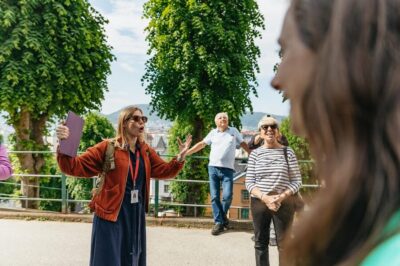
Past & Present Small Group Guided Walking Tour
Read our review →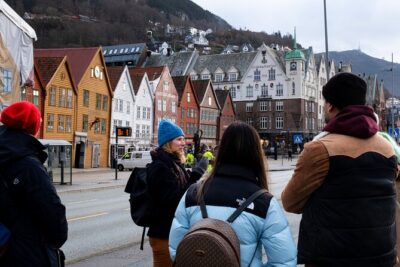
Walking Tour in Bergen of the Past and Present
Read our review →
Browse the lists this tour appears in