Reviewed · CRUISES & BOAT TOURS
Oslo: Best of Oslo Walking Tour & Fjords Sightseeing Cruise
Oslo reveals its character in two very different ways here: first on foot among grand streets and civic buildings, then from the water among islands, narrow channels, and summer homes. The two-hour walking tour gives you a useful city introduction, while the cruise shows why Oslo’s setting matters just as much as its architecture.
I like the small maximum of 10 people, which makes it easier to hear the guide and ask questions. I also like the mix of Karl Johan, Christiania, the Opera House, and City Hall with Hovedøya, Dyna Lighthouse, and Bygdøy from the boat. The main caution is the pace: four hours is a tidy introduction, not enough time for museum visits or a slow look at every stop.
Key points at a glance
- Two complete two-hour experiences: Begin with a guided city walk, then spend two hours on a fjords sightseeing cruise.
- A compact group of up to 10: The format should feel more personal than a large city tour.
- Oslo’s modern and historic faces: See the Norwegian Parliament, Grand Hotel, Christiania, City Hall, and the Opera House.
- Strong waterfront views: The boat passes Hovedøya, Dyna Lighthouse, Bygdøy, Huk beach, and several museum sites.
- Useful language support: The live guide speaks English, while the mobile audio guide is available in English, Spanish, French, Italian, and German.
- A central meeting point: Start at University Aula on Karl Johan Street, near the statue of P.A. Munch, with departure listed for 10:00 AM.
Starting at University Aula on Karl Johan
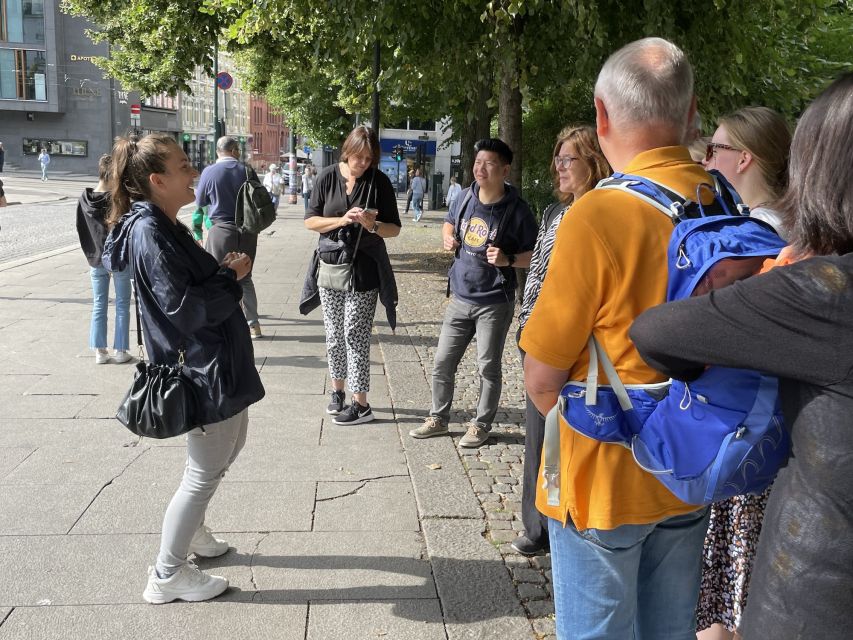
Your morning begins at University Aula, Karl Johan Street 47, near the statue of P.A. Munch by the entrance. This is a practical place to begin because the walk starts in one of Oslo’s main central corridors, rather than sending you out to a distant neighborhood.
The stated departure time is 10:00 AM, though you should check availability for the exact date and starting time. Arrive with comfortable shoes and a charged smartphone. An umbrella is also sensible, since both Oslo’s streets and its open-top boat are exposed to changing weather.
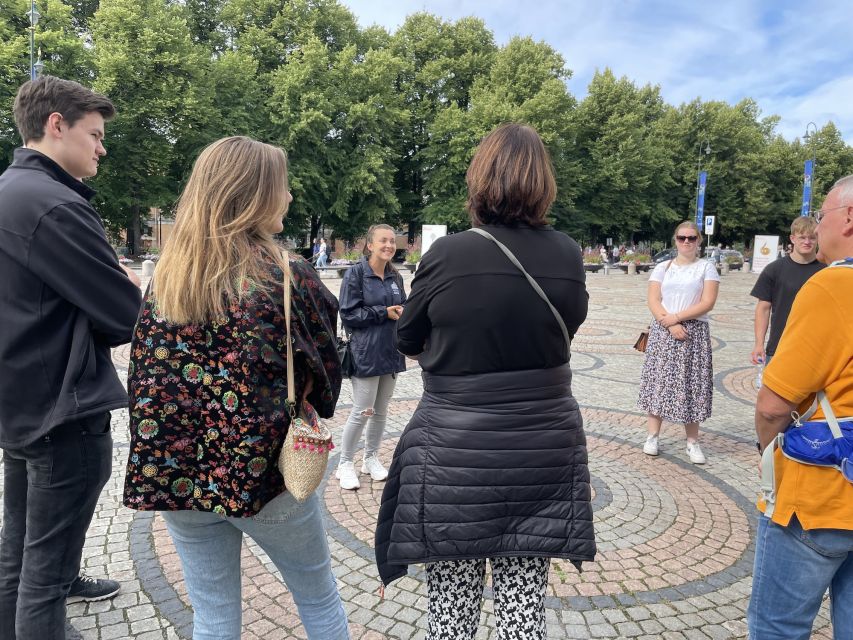
The small-group setup matters from the first minute. With no more than 10 people, you should be able to stay close to the guide and hear the stories without the stop-and-start feel of a large crowd. One guide associated with this experience is Csilla, praised for being helpful and well informed. The guide language is English.
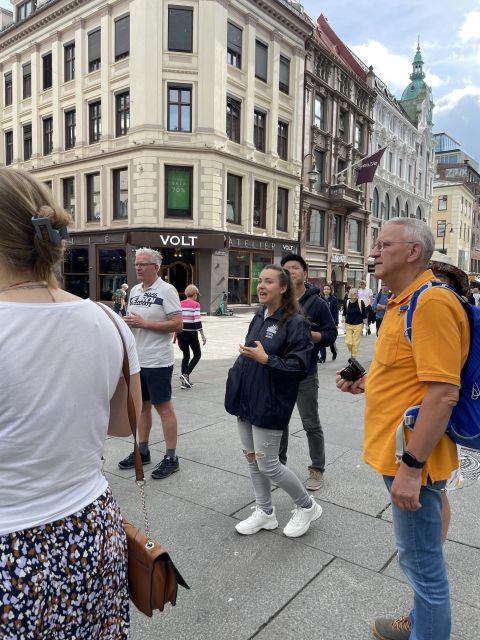
The walking portion lasts two hours, so this is not just a quick stroll between photo stops. You will spend enough time to get a basic sense of how Oslo’s central streets fit together, but the tour is still designed as an introduction rather than an in-depth architectural study.
More Boat Tours in Norway
- Oslo: Scenic Fjord Cruise with Audio Guide Commentary
★ 4.5 · 5,375 reviews - Oslo: 100% Electric Oslofjord Sightseeing Cruise
★ 4.4 · 2,041 reviews - Oslo: Fjord Evening Cruise with Shrimp Buffet
★ 4.5 · 1,956 reviews
Karl Johan, Parliament, and the Grand Hotel
The first part focuses on Oslo’s grand 19th-century center. Along Karl Johan Street, you see the city’s main ceremonial axis and some of its best-known public buildings.
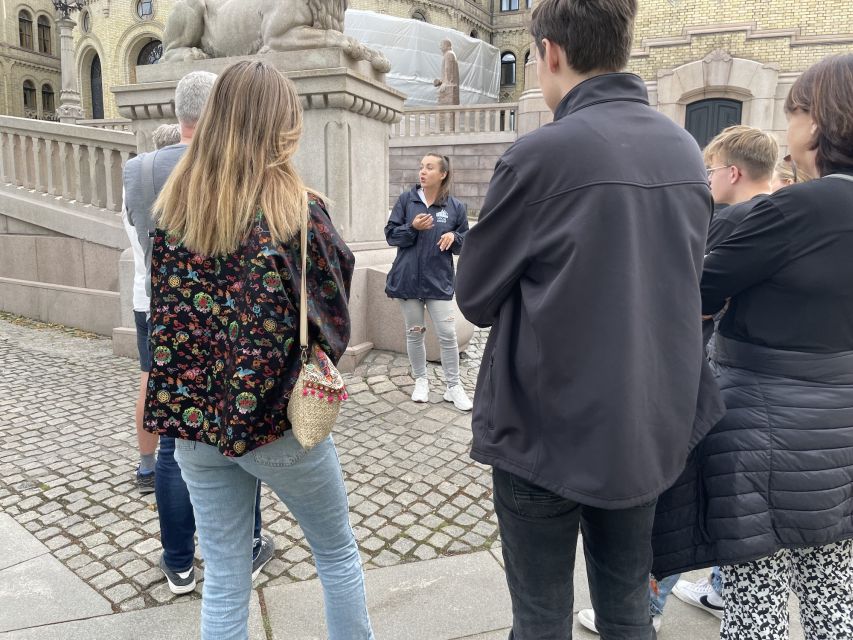
The Norwegian Parliament is an important stop because it gives the walk a civic focus. Rather than treating it as just another handsome building, the guide explains its role as a symbol of Norwegian democracy. That kind of context is useful when you are seeing Oslo for the first time, since it connects the architecture with the country’s public life.
The Grand Hotel adds a different note. Its appearance brings you into the polished, formal side of central Oslo, while Karl Johan itself gives you a sense of the city’s everyday energy. You are not simply looking at isolated buildings. You are moving through the route that links major institutions, hotels, public squares, and cultural sights.
The guide also explains Oslo’s nickname, the Tiger City. This is the sort of small local detail that helps a walking tour feel less like a list of addresses. Listen for the explanation, since the nickname is tied to how the city is viewed and represented.
Christiania and Oslo’s changing name
The walk continues into Christiania, the old core of Oslo. This section is useful because it gives the city a longer timeline than the surrounding 19th-century buildings might suggest.
You learn why Oslo was once called Christiania and how the name changed over time. That story gives you a clearer sense of the city’s development and helps explain why older references to Christiania still appear in cultural and historical settings.
Do not expect a full archaeological tour or a long stop inside a museum. The value here is the guide’s explanation while you move through the city. If you enjoy seeing how a capital changes its identity over the centuries, this will likely be one of the more rewarding parts of the walk.
The city tour is also a good choice for first-time visitors who want orientation before exploring independently. After two hours, you should recognize several central landmarks and understand where the main historic and cultural areas sit in relation to one another.
The Opera House and Oslo’s modern face
The Norwegian Opera House provides one of the tour’s clearest contrasts. After the formal older buildings around Karl Johan, you reach a modern cultural landmark with a very different look and feel.
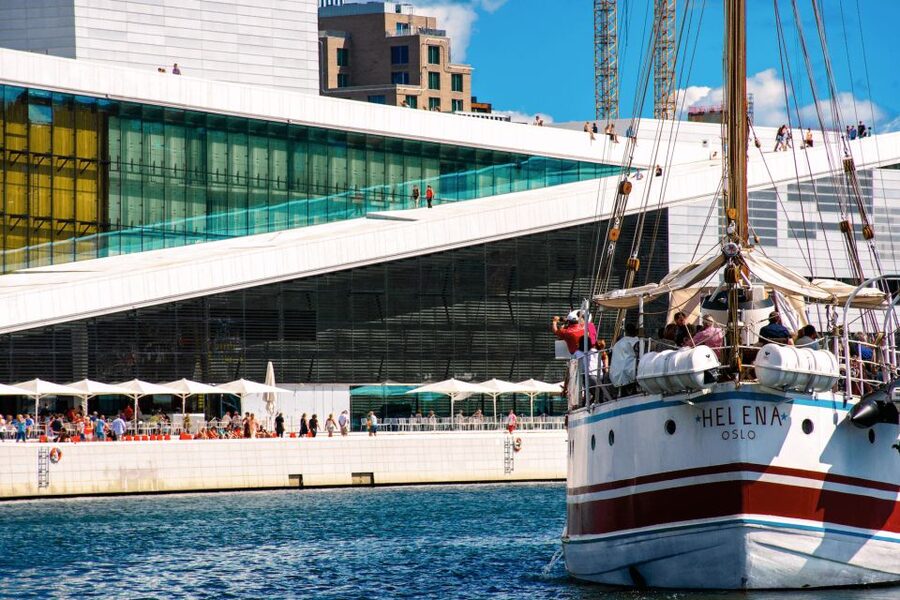
The Opera House is home to The Norwegian National Opera & Ballet and is known for its award-winning architecture. From the outside, it is especially striking because the building invites attention from several angles. The tour highlights it as a modern marvel, giving you a chance to see how Oslo has used contemporary design to reshape its waterfront.
This stop also prepares you for the cruise. You will later see the Opera House from the water, where its relationship with the harbor becomes easier to appreciate. I like this repeated view because the building feels different from the street and from the boat.
You should keep your expectations clear. The tour includes an exterior look and an explanation, not a performance or a dedicated interior visit. If the Opera House is high on your list, plan separate time to explore it beyond this experience.
More Boat Tours in Oslo
- Oslo: Guided Sightseeing Fjord Cruise on Premium Silent Boat
★ 4.7 · 1,390 reviews - Guided Sightseeing Cruise on Oslofjord by Premium Silent Boat
★ 5.0 · 730 reviews - 2-Hour Oslo Fjord Sightseeing Cruise by Sailing Ship
★ 4.0 · 694 reviews - Oslo: Grand City Sightseeing Tour by Bus with Fjord Cruise
★ 4.6 · 647 reviews
City Hall and the Nobel Peace Prize
The walking tour finishes at City Hall, one of Oslo’s most meaningful civic buildings. This is where the Nobel Peace Prize ceremony takes place, giving the stop international importance beyond its appearance.
The guide places City Hall in the larger story of peace and public life. That makes it a fitting final point for the walking portion: the route moves from monarchy and grand hotels to democracy, culture, and international cooperation.
For many people, City Hall is more interesting once they know what happens there. The building is not just a waterfront landmark. It is linked to one of the world’s best-known peace prizes, so the stop carries a sense of purpose that a simple photo visit would miss.
The two-hour walk covers a lot of ground. Wear shoes you can comfortably use for a sustained city stroll, and bring an umbrella if rain is possible. The tour is wheelchair accessible, which is helpful, although the experience still involves moving through city streets and then boarding a boat.
Boarding the historic vessel for two hours
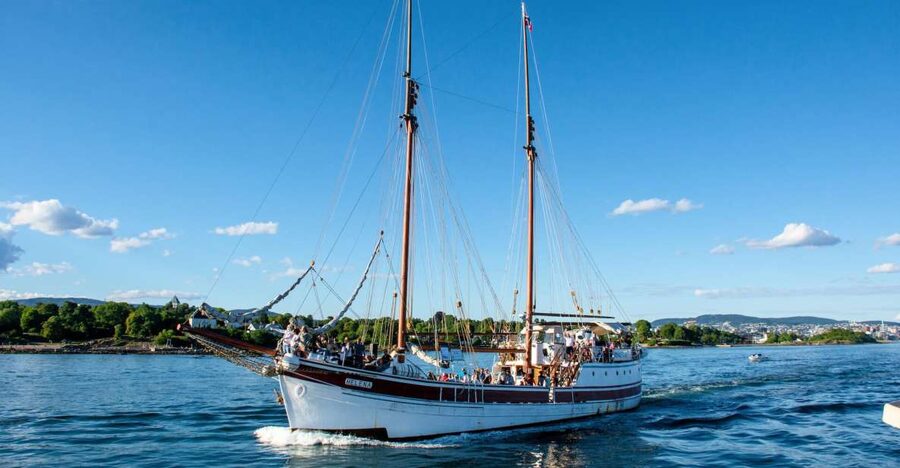
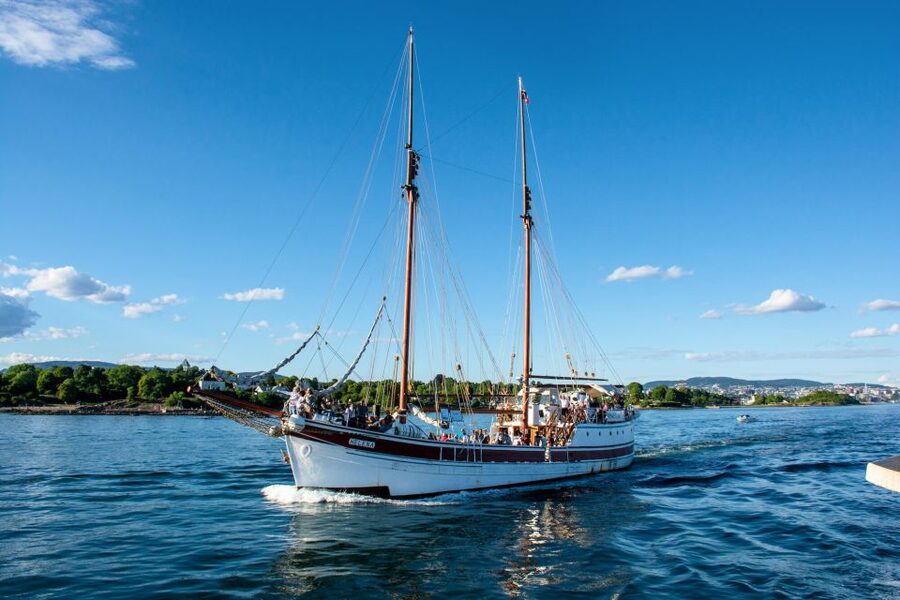
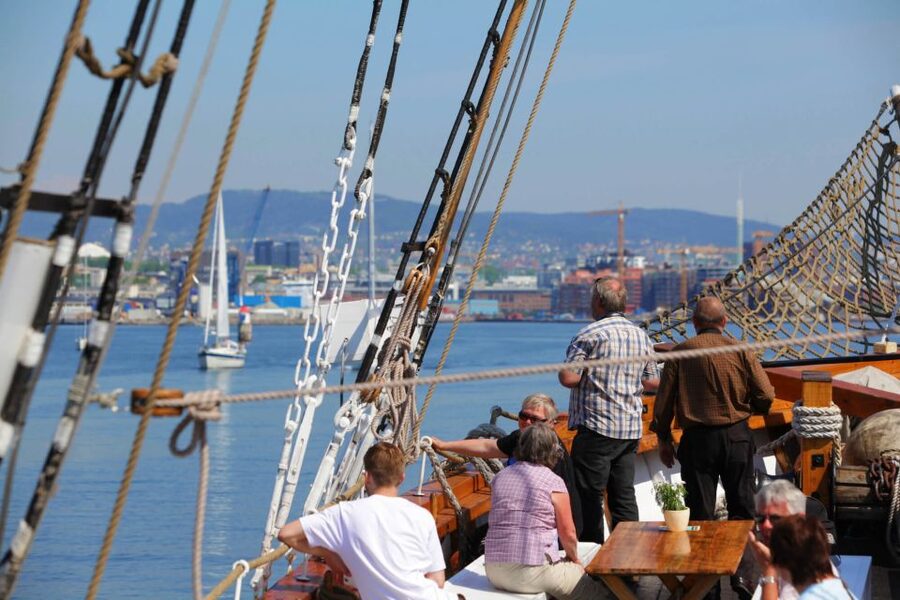
After the walk, the experience shifts from pavement to water. The two-hour fjords sightseeing cruise takes place on a historic vessel, with an open-top area for broad views and photographs.
The change in pace is one of the best reasons to book the combination. You have spent the first half listening and looking at street-level details. On the boat, you can sit back and watch Oslo open outward into water, islands, channels, and coves.
The open-top vessel offers the best sight lines, especially for landmarks along the shore. It also leaves you exposed to wind and rain, so bring that umbrella and dress for the forecast. The cruise is scenic rather than fast-paced. You are there to watch the views change, not to rush from one attraction to another.
The boat passes through narrow straits and peaceful bays, giving you a different view of Oslo’s geography. Summer homes line some of the islands, adding a seasonal, residential side to the fjord that you will not see from central streets.
Hovedøya, Dyna Lighthouse, and the island views
Hovedøya is one of the islands featured during the cruise. From the water, you see Oslo as a collection of islands and inlets rather than a single compact capital. That shift in perspective is the cruise’s main strength.
Dyna Lighthouse is another notable sight. It gives the route a clear nautical marker and adds visual variety between the larger landmarks. The boat’s path through narrow channels lets you see how close the city’s built center is to quieter water and small island settings.
These views are especially useful for photographers. The boat gives you repeated chances to frame the Opera House, shoreline buildings, islands, and lighthouse from changing angles. If you want a particular photo, stay alert, since the vessel continues moving and the best view may last only a short time.
The cruise also helps explain why Oslo’s setting feels distinctive. The water is not merely a backdrop to the city. It shapes the city’s neighborhoods, recreation, architecture, and daily outlook.
Bygdøy, Huk beach, and the museum shoreline

As the boat approaches Bygdøy, the scenery changes again. This peninsula is known for museums and beaches, including Huk beach. From the boat, you get an outside view rather than a museum visit, but the route helps you understand where these attractions sit in relation to the harbor.
The Maritime Museum is visible with vintage sailing ships anchored nearby. That is a particularly good sight from the water, since the ships reinforce the area’s connection with seafaring and exploration.
The Fram Museum is another highlight. It features the famous polar exploration vessel Fram, and even a brief view from the boat can help you decide if you want to return for a full visit. The attraction is not included as an entry stop, so treat this section as orientation and sightseeing rather than a museum tour.
Huk beach adds a more relaxed note to the route. Seeing a beach and summer shoreline after the central buildings reminds you that Oslo is both a capital and a place built around outdoor life.
What the $82 price delivers
At $82 per person, this is not the cheapest way to see Oslo for four hours. Its value depends on how much you want a guided introduction and a ready-made transition from city streets to the fjord.
You receive two full two-hour components, a live English-speaking guide for the walking tour, the sightseeing cruise, and a complimentary mobile app. The app adds audio support in English, Spanish, French, Italian, and German, which can help if you prefer extra information in one of those languages.
The small group improves the value. A maximum of 10 people is a meaningful difference from a large coach-style outing, especially on a walking route where it is easy to lose the guide or miss a comment. The tour also packages two experiences that you might otherwise need to arrange separately.
The drawback is that the price does not include deep exploration of the museums, Opera House, or City Hall. You are paying for coverage and context, not admission-based sightseeing. If you already know Oslo and mainly want to visit museums, buying separate tickets and using public transport may suit you better.
For a first visit, I think the price is easier to justify. You see the central landmarks, learn the city’s basic story, and get a substantial water outing in one booking.
Who should book this Oslo combination?
I would recommend it to first-time visitors who want a clear overview without spending a full day on a large group tour. The route works well if you enjoy both architecture and scenery, since neither side is treated as an afterthought.
It also suits visitors with limited time. In four hours, you cover central Oslo and the fjord shoreline, including places you may not reach on foot during a short stay. The cruise gives you a welcome rest after the walking portion.
The tour is less suitable if you dislike fixed schedules, want long museum visits, or prefer to explore one neighborhood slowly. It is also worth thinking about the weather. The boat has an open-top area, and the most attractive views depend on being comfortable outside.
Book it if you want orientation, major sights, and fjord views in one half-day. Skip it if your main goal is detailed access inside museums or a leisurely independent day. The free cancellation up to 24 hours ahead and the option to reserve now and pay later make it easier to fit into a changing Oslo plan.
FAQ
How long does the Oslo walking tour and cruise last?
The full experience lasts four hours. It includes a two-hour Best of Oslo walking tour and a two-hour fjords sightseeing cruise.
Where does the experience begin?
Meet at University Aula, Karl Johan Street 47, near the statue of P.A. Munch by the entrance.
What time does the tour depart?
Tours depart at 10:00 AM according to the provided schedule. Check availability for current starting times.
What language is the live tour guide?
The live guide speaks English.
Which languages are available through the audio guide?
The complimentary sightseeing mobile app offers audio in English, Spanish, French, Italian, and German.
How large is the group?
The group is limited to 10 participants.
Is the experience wheelchair accessible?
Yes, the activity is listed as wheelchair accessible.
What should I bring?
Bring a charged smartphone, comfortable shoes, and an umbrella.
Can I cancel for a full refund?
Yes. You can cancel up to 24 hours in advance for a full refund. You can also reserve your place and pay later.
More Highlights Tours in Oslo
- Oslo: Guided Oslo Highlights Tour by bus & Oslofjord cruise
★ 4.5 · 157 reviews - Oslo City Highlights with Fjord Cruise
★ 4.5 · 128 reviews - Best of Oslo Guided Walking Tour
★ 4.5 · 122 reviews - Private Oslo Tour with a Local, Highlights & Hidden Gems, 100% Personalised
★ 4.5 · 61 reviews
More Highlights Tours in Norway
- Oslo: 3-Hour Highlights Bike Tour
★ 4.8 · 1,609 reviews - Oslo Highlights Bike Tour
★ 5.0 · 979 reviews - Oslo: Best of Oslo Walking Tour
★ 4.5 · 458 reviews - Oslo: City Highlights Walking Tour
★ 4.8 · 197 reviews
Just added around Oslo
- Oslo Winter Highlights Bike Tour★ 5.0 · 36 reviews
- Unknown war. Oslo and Norway during 1940-45★ 5.0 · 74 reviews
- The Viking Planet Museum – Mini Group (4 adults)★ 4.0 · 16 reviews
- 4 hours Best View of the Oslofjord Winter Edition★ 4.0 · 15 reviews
- The Viking Planet Museum Ticket★ 4.0 · 197 reviews
- The Ultimate Norwegian Skiing Experience★ 5.0 · 16 reviews
- The Ultimate Study of the Human Form at Vigeland’s Sculpture Park with a Local★ 4.0 · 14 reviews
- The Oslo Beer Adventure★ 4.5 · 11 reviews
Cruises & Boat Tours, compared.
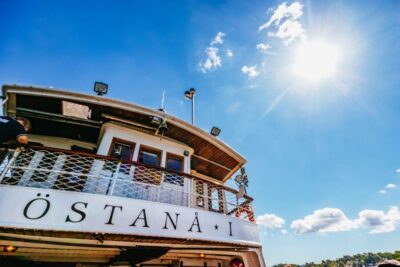
City Archipelago Sightseeing Cruise with Guide
Read our review →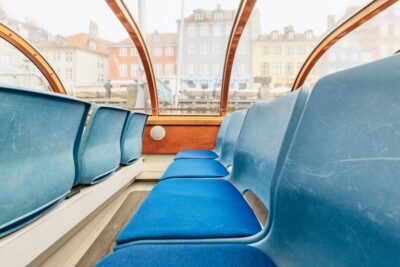
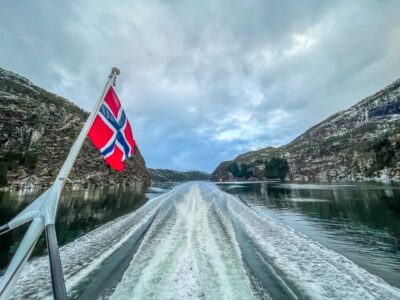
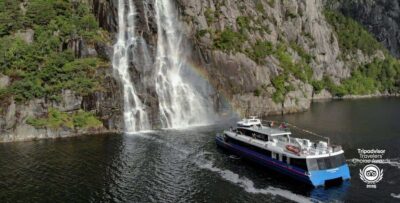
Scenic Fjord Cruise to Lysefjord and Preikestolen
Read our review →
Scenic Fjord Cruise with Audio Guide Commentary
Read our review →
Hop-On Hop-Off Bus Tour with Boat Tour Option
Read our review →