
Reviewed · WALKING TOURS
Oslo Island Walks: Island Hopping Tour
Oslo’s best waterfront experience may be the one that gets you away from the waterfront. This four-hour tour uses the city’s regular ferries to reach three very different islands: Hovedøya’s medieval monastery ruins, the quiet paths of Gressholmen, and Lindøya’s wooden summer cottages.
I like two things in particular. First, the ferries make the whole outing feel like part sightseeing tour and part ordinary Oslo life. Second, guides such as Emran, Evan, Ole, and Ola add useful local stories without turning every stop into a lecture. The main consideration is that this is a walking tour on gravel, dirt, and stones, not a strenuous wilderness hike or a fully accessible outing.
Key points at a glance
- Hovedøya combines monastery ruins, beaches, birch woods, and old cannons in one island walk.
- The ferry rides are part of the attraction, with city, fjord, and harbor views along the route.
- Gressholmen offers the quietest natural setting, with open fields, forest paths, and small inlets.
- Lindøya is the cottage-island stop, with wooden houses, flower gardens, and places to eat a picnic.
- The pace is gentle and well managed, with about four hours divided between ferries and walking.
- Your public transport ticket remains useful after the tour, giving you extra time to explore Oslo by ferry, tram, bus, or train in the included travel zone.
Why Oslo’s islands are worth four hours
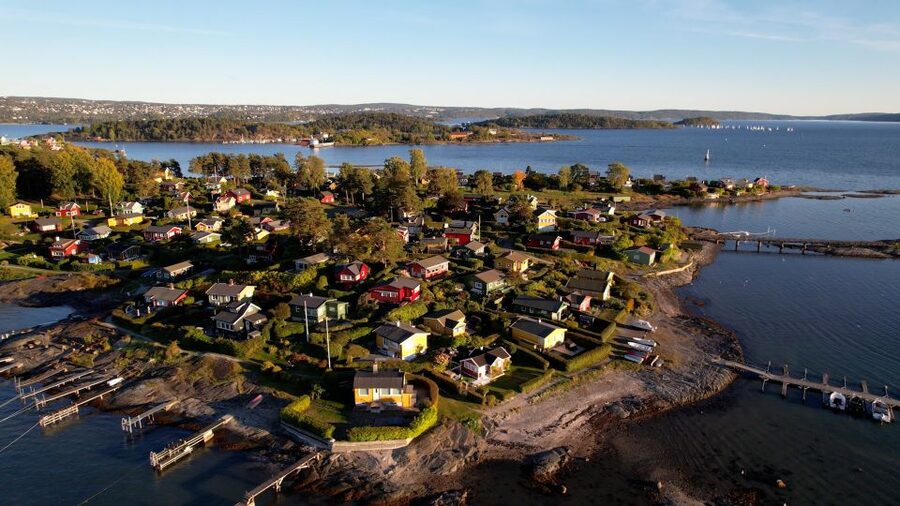
Oslo can feel compact when you stay around the opera house, City Hall, and Aker Brygge. The islands show another side of the capital. Here, the city gives way to rocky shores, small beaches, wooded paths, old military remains, and rows of private summer homes.
I like this tour because it gives you a clear introduction without requiring you to plan ferry departures yourself. You simply follow the guide from pier to pier, while the public boats provide the transport. That matters in Oslo, where a short ferry ride can change the mood from urban harbor to quiet shoreline.
The tour costs $59 per person. That is more than the price of taking the public ferries alone, and you could visit the islands independently if you are comfortable reading schedules and planning your own route. The value comes from the guide, the organized transfers, and the background on the islands, Oslo, and Norway’s shift from Norse culture to Christian Europe.
The group meets at the Aker Brygge tram stop beside the National Museum. Arrive by 10:15 AM for the 10:25 departure. Look for the guide with a Just Guide sign and blue vest. The first ferry is scheduled for 10:30 AM, so do not cut this close. A missed boat could disrupt the rest of the morning.
More Walking Tours in Norway
- Oslo Nature Walks: Island Hopping Tour
★ 4.8 · 2,713 reviews - Oslo Nature Walks: Island hopping
★ 5.0 · 570 reviews - Oslo: Best of Oslo Walking Tour
★ 4.5 · 458 reviews
The first ferry sets the tone
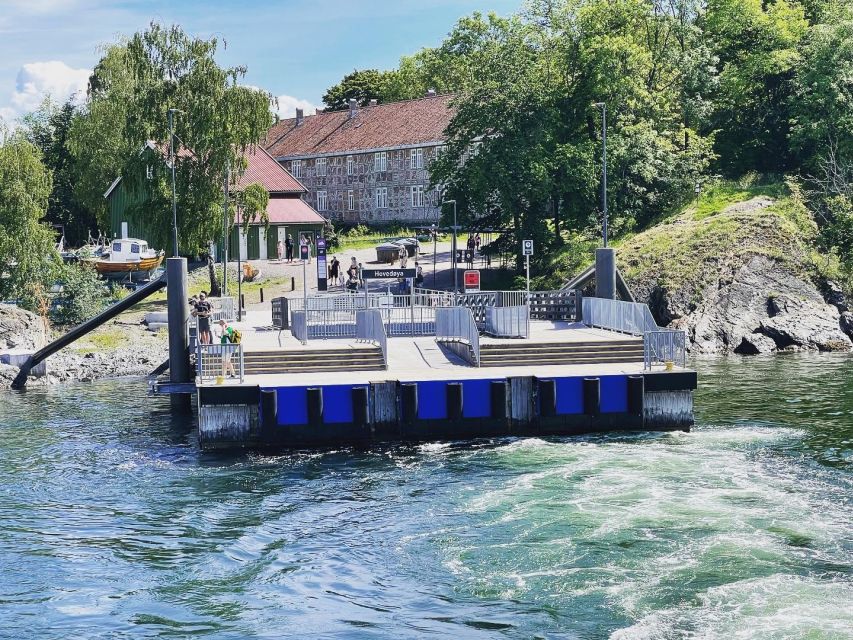
The opening ferry ride takes about five minutes. It is short, but it gives you your first look back toward Oslo and out across the Oslofjord. You are not joining a private cruise. You are riding the same public transport system used by people heading to the islands.
That is one of the tour’s nicest features. The boat ride is practical, but also scenic. You get the small pleasure of boarding a city ferry, finding a seat or standing outside, and watching the harbor shift around you. On the return to the city, you will also see Akershus Fortress, City Hall, and Aker Brygge from the water.
The ferries are described as modern and smooth, though you should still dress for open-air conditions. The weather can change quickly around the water. Bring a light layer, even on a sunny day.
Hovedøya: medieval ruins beside the sea
Hovedøya is the historical centerpiece. The guided visit lasts about an hour and combines walking, a break, and scenic stops. You begin with the island’s monastery ruins, where English monks arrived after the Viking Age as Christianity spread through Norway.
The remains give the island a real sense of time and place. You can walk among old chambers and rooms and picture the monastery as a working religious center nearly a thousand years ago. The experience is not just about old stone. It helps explain how Norway moved from Norse beliefs into the Christian culture of medieval Europe.
The guides tend to make this part accessible rather than overly academic. Emran, Evan, Ole, and the other guides have been praised for telling stories with warmth and answering questions. That personal approach is useful here because ruins can otherwise seem like a quick photo stop.
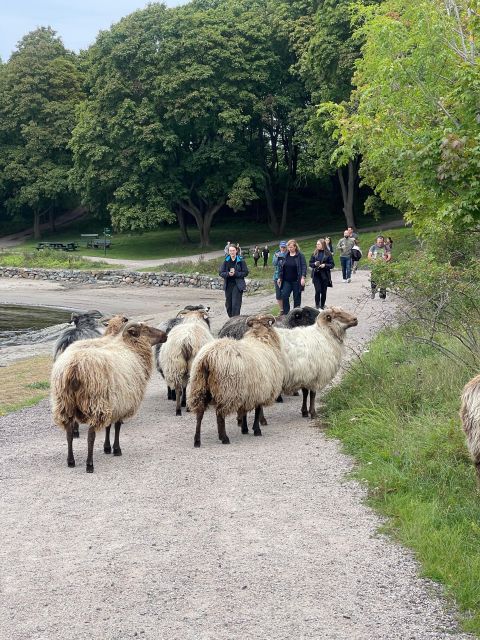
After the monastery, the path leads through birch woods and open pasture. The change is quick: one moment you are studying medieval walls, and the next you are walking through a bright, coastal setting with grass, trees, and open sky.
You also reach old fortifications and cannons linked to the Napoleonic Wars of the 1800s. This adds another historical layer. Hovedøya is not only an island of monks and beaches. It also occupied a defensive position near Oslo, and the remains show how the waterfront mattered for military reasons as well.
The coastal walk brings viewpoints, rough shorelines, and beaches. You may want to pause for photographs, but the group needs to keep to its schedule so it can catch the next ferry. The walk is generally gentle, yet the surface includes stones and uneven paths. Good walking shoes are more important here than stylish city shoes.
Gressholmen: Oslo’s quieter side
The ferry to Gressholmen takes about seven minutes. The walking portion is shorter, around 35 minutes, and feels less historical than Hovedøya. This is the stop for open fields, forest paths, quiet coves, and fresh fjord air.
I see Gressholmen as the breathing space in the middle of the tour. After the ruins and military remains, you get a simpler walk through nature. The guide points out the island’s character and helps you notice details you might pass by if you were rushing from pier to pier.
Do not expect a long hike here. One guest wanted more continuous walking and felt that some pauses lasted longer than necessary. That is a fair point if you came mainly for exercise. The tour is designed for a mixed group, so the guide sometimes gives people time to look around, rest, or enjoy a viewpoint rather than pushing ahead.
This stop works especially well for people who want to see Oslo beyond its streets and museums but do not want a demanding outdoor excursion. The trails are manageable, though still not suitable for wheelchair users or people with major mobility limits.
More Walking Tours in Oslo
- Oslo: Guided Walking Tour of Central Oslo
★ 4.7 · 438 reviews - Oslo: Historic Myths & Legends Evening Walking Tour
★ 4.8 · 408 reviews - Taste of Oslo Walking Tour
★ 4.5 · 282 reviews - Central Oslo Guided Walking Tour with Local Guide
★ 4.5 · 278 reviews
Lindøya and the charm of summer cottages
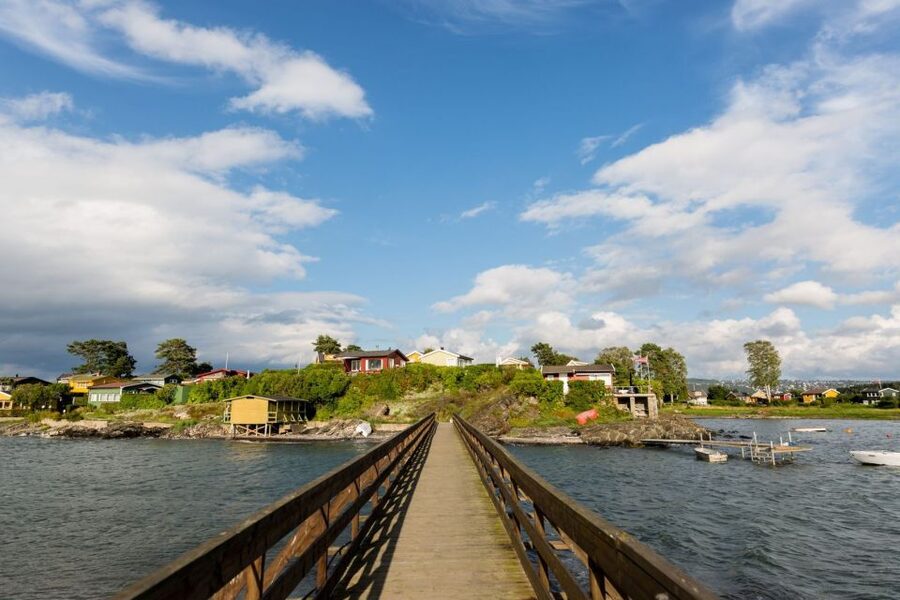
The next ferry takes about 15 minutes, giving you a longer stretch on the water. This is a good time to sit down, watch the shoreline, and eat a snack if you brought one.
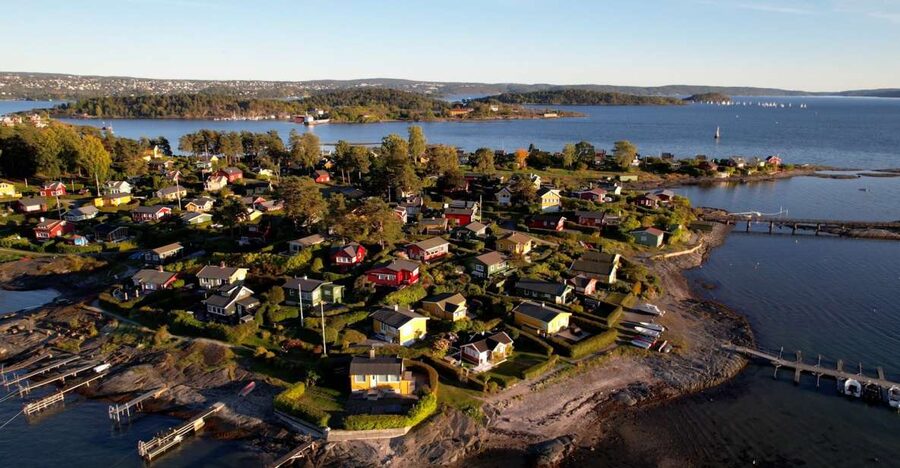
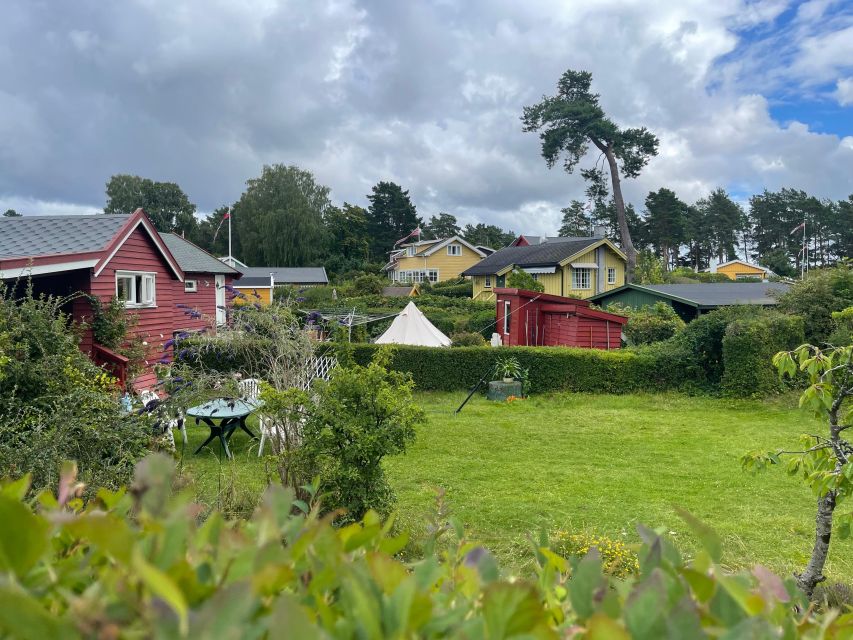
Lindøya is the most domestic and picturesque stop. Instead of monastery walls or broad natural fields, you see traditional wooden cottages, small gardens, and flower-filled plots. The houses show Oslo’s summer-island culture, where residents escape the city for a slower season by the fjord.
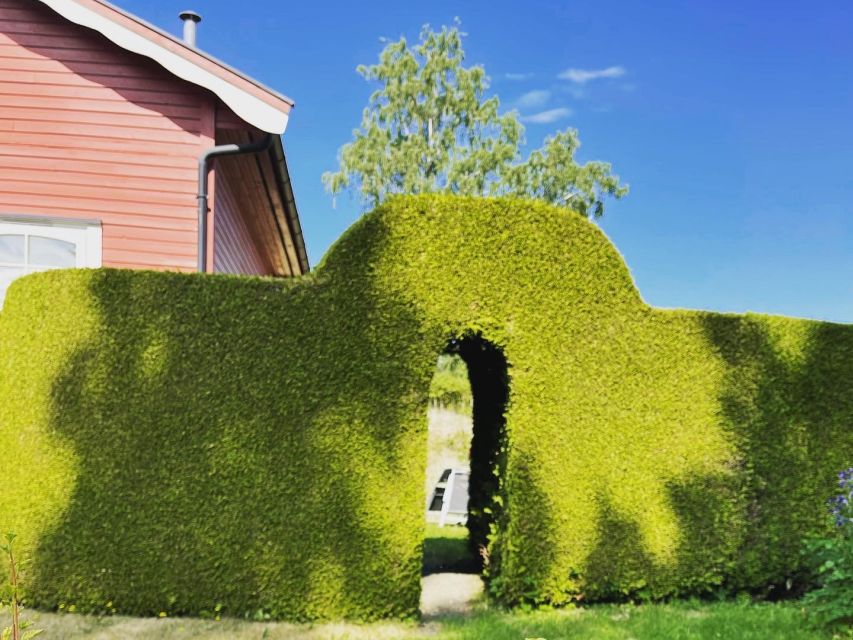
The island’s charm comes from its everyday details. You are walking past painted wood, gardens, narrow paths, and views across the water rather than visiting a formal attraction. Respect the private nature of the cottages and stay with the guide on the established route.
There is time for a picnic during the island portion. Bring lunch if you can. The tour information specifically recommends carrying food, and the best use of the pause is to find a spot with a view of the water and hills. A backpack is handy for lunch, water, a towel, and swimwear.
You might also find a local shop where you can buy snacks or ice cream. Availability is not the main reason to book the tour, so do not rely on the shop for your entire meal. Bringing your own food gives you more choice and avoids wasting time.
Lindøya can also be the best place to swim, depending on the day and your comfort with the conditions. Several people appreciated having the chance to take a swim from one of the islands. Pack a towel and swimsuit if that sounds appealing, but remember that the tour still has a fixed ferry schedule.
The ferry ride back is part of the sightseeing
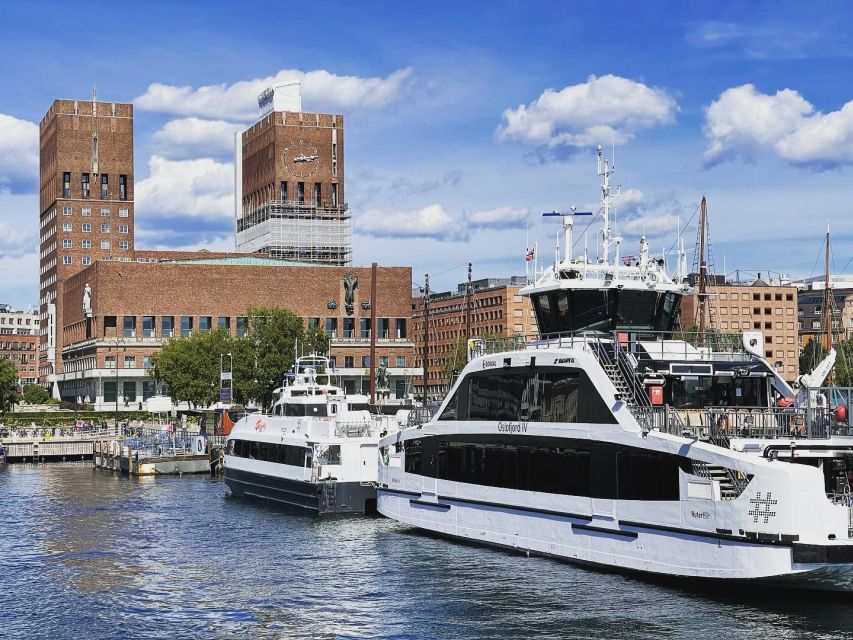
The final ferry takes about 14 minutes and returns you to the city center. This is not dead time. From the water, you get a different view of Oslo’s main waterfront landmarks.
Akershus Fortress is the most dramatic sight, with its medieval walls above the harbor. City Hall gives you the broad civic face of Oslo, while Aker Brygge shows the modern restaurant and shopping district. Arriving by boat helps connect the islands to the city instead of treating them as a separate day trip.
The return point is Brynjulf Bulls plass 2, near the original meeting area. The included transport ticket can also be used for 20 hours after the tour, which adds real value if you plan to continue around Oslo. You can use the city’s public transport network within the stated zone, including ferries, trams, buses, and trains as described for the tour.
What the guides add
The guides are a major reason to choose this experience instead of doing the same route alone. Emran has been singled out for local stories, Oslo advice, and help with getting around the city. Evan and Emran have also been praised for keeping the group moving while making time for questions.
Other guide names connected with the tour include Ole, Ola, Imran, and Roy. The exact guide depends on the departure, but the format remains the same: an English-speaking guide leads the walks and manages the ferry connections.
The strongest quality is the tone. The guides are described as friendly, talkative, and willing to share personal connections with Oslo. One guide has even brought a dog along on a departure, though you should not assume a dog will be present. Another guide adjusted a rest stop so people could sit in shade rather than direct sun.
I also like that the guides provide more than island facts. They can help you understand how the islands fit into Oslo life and may offer suggestions for other places to visit. The information is paced for a general audience, so you get enough history to make the ruins meaningful without spending the whole hour in a lecture.
If you want highly detailed information about every building, bird species, or migration pattern, you may find the commentary a little light. The tour is stronger as a broad introduction than as a specialist study of architecture, wildlife, or military history.
What to bring and how hard it feels
Wear comfortable shoes with a solid sole. You will walk on gravel, dirt, stones, and uneven coastal paths. This is not a technical hike, but sandals with little support could make the day less pleasant.
Pack:
- Water
- Weather-appropriate clothing
- Lunch and snacks
- Swimwear and a towel if you may swim
- A small backpack
There is no need to carry elaborate hiking equipment. The main challenge is the combination of walking, ferry boarding, and changing weather. Check the forecast before leaving and bring a waterproof layer if rain is possible.
The tour is not suitable for children under nine, wheelchair users, or people with mobility impairments. It also does not allow pets. If you are unsure about your walking ability, remember that the tour includes gravel, dirt, stones, and island paths rather than only paved city sidewalks.
Is $59 a fair price?
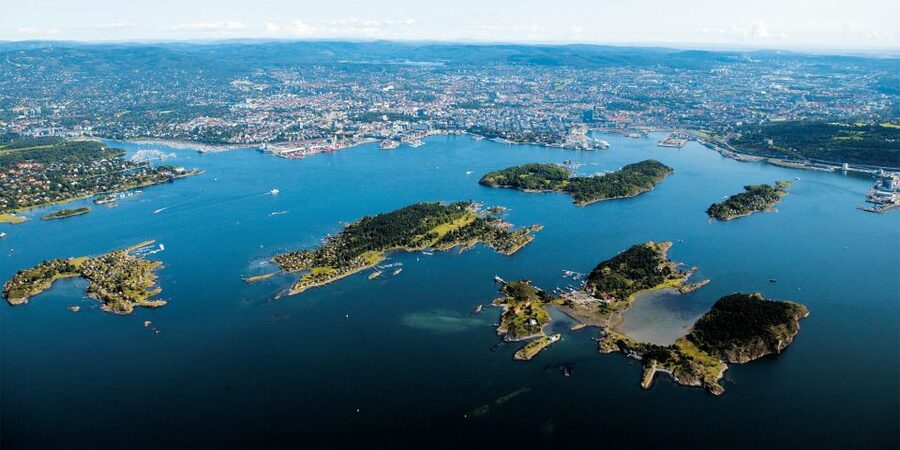
For a person who likes independent travel, $59 may seem high because the ferry itself is public transport. The islands are possible to visit on your own, particularly if you buy a transport pass and are willing to manage the route.
I think the price is reasonable if you want a guided introduction during a short Oslo stay. You get four hours of structure, three islands, several ferry crossings, English commentary, and a transport ticket that remains useful afterward. The tour also removes the small but real stress of checking which ferry goes where and how long you can stay before the next boat.
The value is strongest for first-time visitors, solo visitors who want company, and anyone who wants local context with the scenery. It is less compelling for confident independent planners who already understand Oslo’s ferry system and prefer to set their own pace.
Who should book this island walk?
I would choose this tour if you have at least half a day in Oslo and want more than museums and central streets. It works well for couples, friends, solo visitors, and active older children over nine who can manage uneven paths.
You should also book it if history and scenery matter equally. Hovedøya supplies the ruins and fortifications, Gressholmen provides a quiet nature walk, and Lindøya offers the most charming residential scenery. Each island has a different purpose, so the route does not feel like the same walk repeated three times.
I would skip it if you want a serious hike, a private boat trip, or a fully flexible schedule. The ferry timetable sets the rhythm, and the group pauses are designed to suit a range of walking speeds.
FAQ
Where does the Oslo Island Walks tour meet?
The meeting point is the Aker Brygge tram stop beside the National Museum, at Brynjulf Bulls plass 2. Look for a guide with a Just Guide sign and blue vest.
What time should I arrive?
The meeting time is 10:15 AM. The group departs at 10:25 AM, with the first ferry scheduled for 10:30 AM. Arrive 15 to 20 minutes early.
Which islands does the tour visit?
The tour visits Hovedøya, Gressholmen, and Lindøya.
How long does the tour last?
The full experience lasts four hours, including ferry rides, guided walks, breaks, and scenic stops.
Is the tour conducted in English?
Yes. The live tour guide language is English.
Is lunch included?
No. You are encouraged to bring your own lunch, snacks, and water. You may also be able to buy snacks or ice cream at a local shop.
Can I swim during the tour?
Swimming may be possible at one of the islands, especially during the Lindøya portion. Bring swimwear and a towel if you want that option.
Is the tour suitable for wheelchair users or people with mobility impairments?
No. The route includes gravel, dirt paths, stones, and uneven island trails. It is not suitable for wheelchair users or people with mobility impairments.
Should you book it?
Book this tour if you want an easy, well-organized way to see Oslo’s islands while learning why they matter. The combination of monastery ruins, old cannons, wooded paths, cottage gardens, beaches, and ferry views gives you a fuller picture of Oslo than a city-center stroll alone.
The best practical choice is to bring lunch, water, sturdy shoes, and a swimsuit. If you prefer a slow independent day, take the ferries on your own. If you want the route explained, the connections handled, and the island stories brought to life, $59 is a sensible price for this gentle fjord outing.
Just added around Oslo
- Oslo Winter Highlights Bike Tour★ 5.0 · 36 reviews
- Unknown war. Oslo and Norway during 1940-45★ 5.0 · 74 reviews
- The Viking Planet Museum – Mini Group (4 adults)★ 4.0 · 16 reviews
- 4 hours Best View of the Oslofjord Winter Edition★ 4.0 · 15 reviews
- The Ultimate Norwegian Skiing Experience★ 5.0 · 16 reviews
- The Ultimate Study of the Human Form at Vigeland’s Sculpture Park with a Local★ 4.0 · 14 reviews
- The Viking Planet Museum Ticket★ 4.0 · 197 reviews
- The Oslo Beer Adventure★ 4.5 · 11 reviews
Walking Tours, compared.



Past & Present Small Group Guided Walking Tour
Read our review →
Walking Tour in Bergen of the Past and Present
Read our review →
Browse the lists this tour appears in