
Reviewed · SNOWSHOEING TOURS
Snowshoe in a Winter Forest
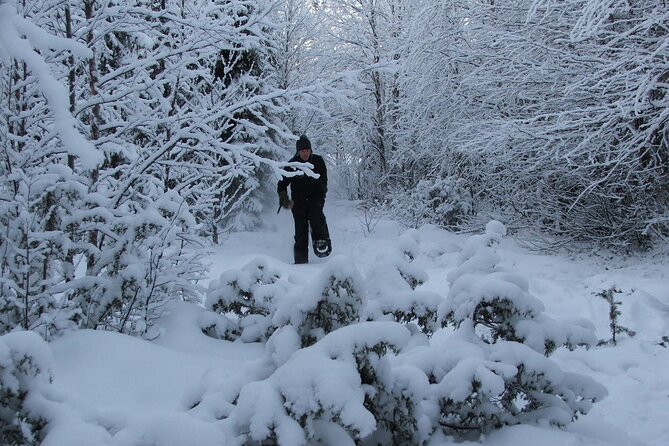
Kiruna’s winter forest is not empty or silent in the way you might expect. Under the snow, animal tracks tell a busy story, and guide Anders is good at reading it. This easy walk covers about 2 to 2.5 kilometers, with time for stories about wildlife, Sami culture, and Kiruna’s mining town.
I like the small group limit of eight, which gives Anders room to help with snowshoes and answer questions. I also like the warm break with homemade berry juice and a traditional Kangoskaka cookie. The main catch is simple: clothing is not provided, so you need proper winter layers, warm boots, gloves, and a hat.
Key points
- Animal tracking in fresh snow: Learn to read the paths and marks left by Arctic wildlife.
- An easy 2 to 2.5 km route: Suitable for people who want a gentle outing rather than a demanding trek.
- Anders leads the walk: He combines nature facts with stories about Kiruna, mining, and Sami culture.
- Warm drinks by the fire: Homemade berry juice and a Kangoskaka cookie make the mid-walk pause special.
- Pickup from central Kiruna: Transfers are offered, with a black minivan marked on67°.
- Bring your own winter gear: Snowshoes are supplied, but no additional clothing is included.
A gentle way into Swedish Lapland
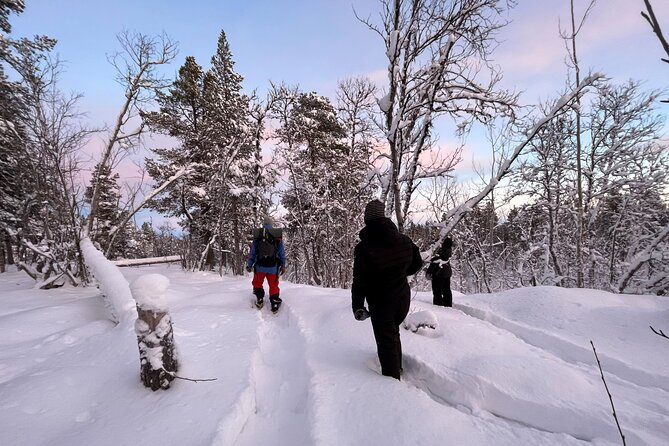
This experience is best understood as a guided forest walk with snowshoes, not a high-energy winter sport. You walk at an easy pace, stop to examine tracks, and spend time learning how plants and animals cope with the Arctic year.
The route is about 2 to 2.5 kilometers. That distance is modest, but snowshoeing still feels different from walking on a clear path. The snowshoes spread your weight across the surface, helping you move through soft snow without sinking as much. Anders helps with the equipment, and the walk does not require special snowshoeing skill.
I would choose this trip if you want to see a quieter side of Kiruna. It gives you time away from streets, buildings, and scheduled sightseeing without asking for a full day in the cold. It also suits families with older children, couples, and first-time snowshoers who prefer a calm introduction.
The minimum age is 12. Most people can take part, but you should be comfortable walking outdoors in winter conditions for around two and a half hours, including stops.
More Winter Activities in Sweden
- Snowshoe up a Mountain
★ 5.0 · 19 reviews - Kiruna: Cross-Country Skiing Tour with a Guide
★ 5.0 · 3 reviews - Stockholm: Winter Kayaking, Swedish Fika and hot Sauna Experience
★ 5.0 · 156 reviews
Meeting Anders and setting out from Kiruna
The activity begins at 10 a.m. Pickup is offered from central Kiruna. The listed pickup points are Camp Ripan, the Tourist Information office, and Hotel Scandic. The pickup instructions also refer to Hotel Arctic Eden in the old town, so I would check your exact meeting point when booking.
The vehicle is a black minivan with the on67° logo. The timing matters in winter, so do not arrive at the last second. The stated pickup schedule places Camp Ripan roughly 10 to 15 minutes before the activity, the Tourist Information point about five minutes before, and Scandic at the activity start time.
That information contains a small timing variation for Camp Ripan, so confirm the final instruction rather than guessing. If you are staying elsewhere, plan to reach one of the listed stops on your own.
The transfer is a useful part of the price. You do not need to arrange a taxi to a trailhead, and you can keep your attention on getting dressed properly and bringing anything you need for the cold.
Learning to use the snowshoes
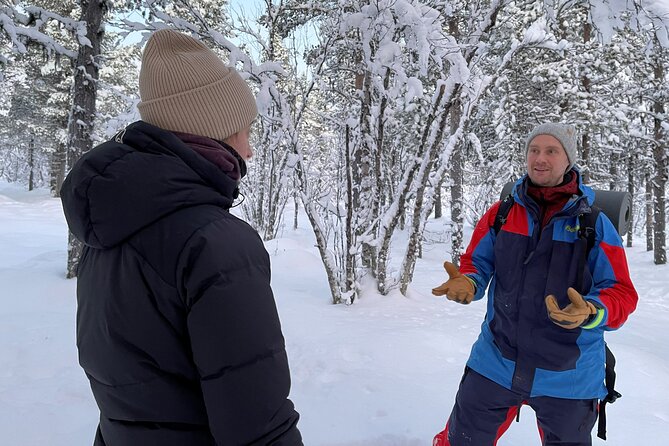
Once you reach the forest, the practical part begins. Snowshoes are provided, and Anders helps you get set up. This is helpful if you have never used them before, since the bindings can feel unfamiliar at first.
The activity level is rated easy. You are not expected to race, climb steep slopes, or cover a long distance. The focus is on moving through the forest, looking closely, and stopping often enough to hear the guide.
Still, easy does not mean warm. You may spend time standing in snow while examining a track or listening to a story. Good boots and warm socks matter just as much as the snowshoes. Bring clothing that protects you from the current weather, since the operator does not supply outerwear or extra layers.
A small group makes this part less awkward. With no more than eight people, Anders can notice if someone needs help with the gear or is having trouble keeping pace. The group may be smaller, too. On one outing, only two people took part, allowing the guide to adjust the pace and later offer a drop-off in central Kiruna.
Reading animal tracks in the snow
The most interesting part of the walk is the search for signs of life. You may not see an animal, and the experience does not promise sightings. The real activity is learning how to notice what is usually missed.
Anders points out tracks and explains what they may reveal about animal behavior. A set of marks in the snow can show where an animal moved, paused, or searched for food. The guide also talks about how Arctic animals manage the changing seasons.
This turns the forest into a kind of open book. Instead of simply admiring snow-covered trees, you begin looking at the ground, the undergrowth, and the spaces between the trees. That extra attention is one of the best reasons to choose a guided walk instead of heading out alone.
The experience is also a good reminder to keep expectations sensible. Wildlife sightings are never guaranteed, and some outings may offer tracks rather than animals. The snowy forest itself is the main setting, with the guide’s interpretation giving it meaning.
More Snowshoeing Tours in Kiruna:
- From Tromsø: Snowshoeing Hike with Picnic Lunch and Photos
★ 4.8 · 637 reviews - From Tromsø: Guided Husky Snowshoe Hike and Husky Camp Visit
★ 4.9 · 555 reviews - From Tromsø: Snowshoe Hike in the Arctic
★ 4.9 · 467 reviews - Tromso Snowshoeing – Valley, Fjord Views, Wildlife, Meal & Pickup
★ 5.0 · 398 reviews
Trees, undergrowth, and the Arctic year
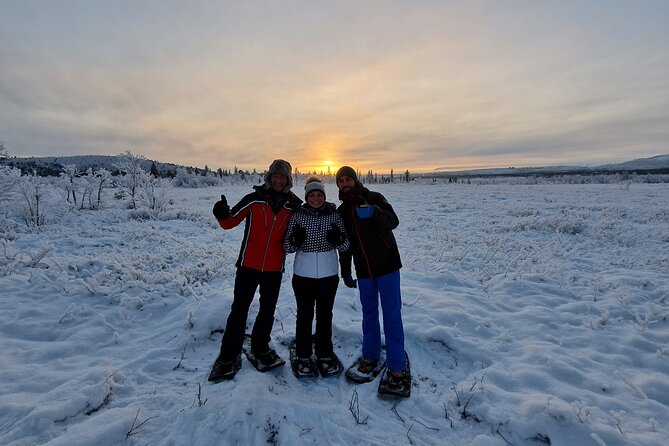
The walk includes more than animal signs. Anders explains the natural setting, including the trees and undergrowth, and how the forest functions through the year.
Winter changes what you see. Snow can hide much of the ground, but it also highlights movement and makes tracks easier to spot. A guide who knows the area can help you notice details you might otherwise pass by.
The pace allows for questions. You can ask about the animals, the plants, or life in Kiruna. The activity is not built around a long lecture, which suits the setting. Information comes in short explanations as you move, stop, and look around.
I particularly like this balance. You get useful context without spending the whole outing indoors or listening to a formal presentation. The walk remains physical, but the effort stays moderate.
Kiruna, mining, and Sami culture
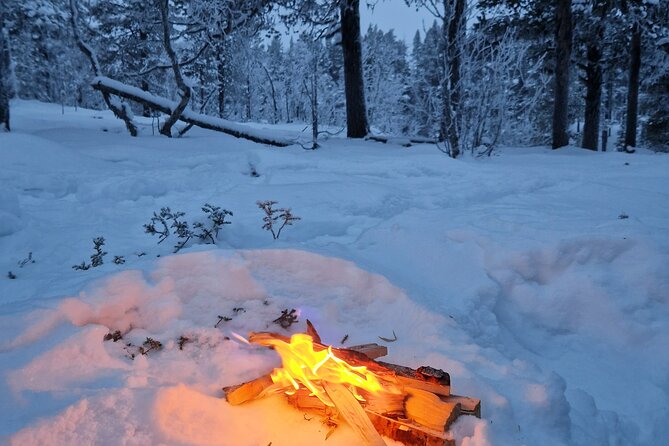
Anders also connects the forest to the wider story of Kiruna. The town is shaped by mining, and the activity includes information about that local industry.
You also hear about Sami culture. This adds an important human side to the outing. The forest is not presented as a pretty winter backdrop alone. It is part of a region with its own traditions, work, and ways of living with the Arctic environment.
The exact amount of time spent on each subject can vary with the group and the conditions. If you are especially interested in Kiruna’s mining history or Sami culture, ask questions as you go. The small group format should make that easy.
This is not a museum tour, and it does not replace a dedicated cultural visit. Its value is in linking the natural setting with the people and industries of northern Sweden.
A warm pause with berry juice and Kangoskaka
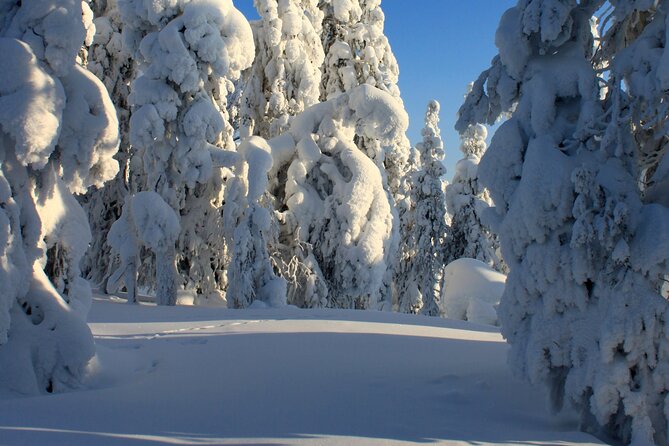
The break is a small feature that adds a lot to the outing. You stop for hot homemade berry juice and a traditional cookie called Kangoskaka.
The drink is made for a cold day. After moving through snow, a warm cup gives you time to thaw your hands and enjoy the quiet. The cookie adds a local touch without turning the stop into a full meal.
The break is associated with a campfire, which gives the pause a natural center. You can talk with the guide, take in the forest, and recover before continuing.
Do not treat this as lunch. The included food is a drink and a cookie, so eat beforehand if you need a proper meal. The timing is better suited to a warm snack during the walk.
How the $146.65 price holds up
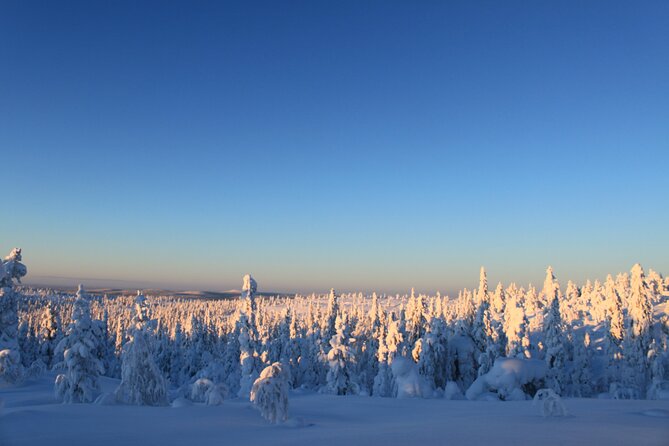
At $146.65 per person, this is not the cheapest way to spend two and a half hours in Kiruna. The value depends on what you want from the outing.
The price includes round-trip transport from central pickup points, a local guide, snowshoes, the hot berry juice, the traditional cookie, and a headlamp if needed. You are also paying for a small group, with a maximum of eight people. That is a fairer comparison than looking only at the walking time.
A cheaper self-guided outing would not include instruction, transport, or local interpretation. You would also need to arrange your own snowshoes. On the other hand, visitors who already own winter equipment and simply want a long, challenging trek may find this experience too short and too gentle for the cost.
I see the strongest value in the guide. Anders brings together wildlife tracking, local nature, mining, and Sami culture. The transport also helps if you are visiting Kiruna without a car.
The activity is often reserved well ahead of time, with an average booking lead of 57 days. That suggests you should not leave it until the last minute if the date matters to you.
What to wear and what to bring
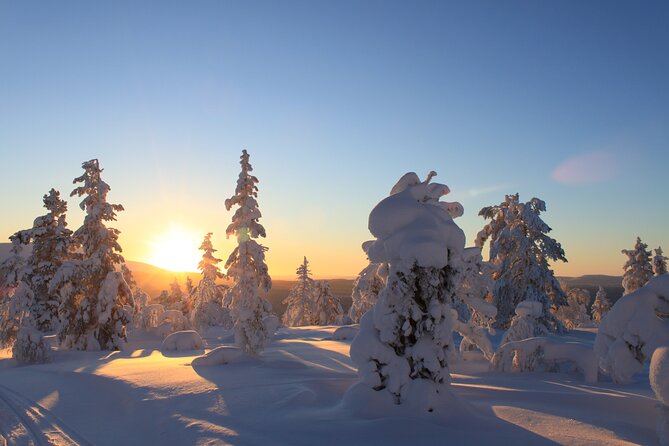
Snowshoes are included, but clothing is not. This distinction is important.
Dress for the actual forecast and for standing around in snow. You need warm outdoor clothing, suitable winter footwear, gloves, and a hat. Layers are practical because you may warm up while walking and cool down during stops.
The supplied details do not list a full clothing package, insulated boots, or other rental gear. Do not assume those items will be available. If you are coming from a warmer climate, check your clothing before committing to the activity.
A headlamp can be provided if needed. The start is at 10 a.m., but daylight conditions in Swedish Lapland can vary by season. The operator specifically includes a headlamp when required.
Who should book this walk?
I would recommend it to you if you want:
- An easy introduction to snowshoeing
- A short outdoor activity rather than a full-day expedition
- A small group with room for questions
- Wildlife tracking and nature interpretation
- Local stories about Kiruna and Sami culture
- A warm drink and snack during the outing
- Pickup from central Kiruna
It is also a sensible choice for people who like scenery but do not need constant action. The walk has quiet stretches, gentle movement, and pauses to observe the forest.
You may want something else if you are looking for speed, steep terrain, a guaranteed wildlife sighting, or a long backcountry route. This is a relaxed educational walk, not an adrenaline activity.
The minimum age of 12 also rules it out for younger children. Most people can participate, but you still need to judge your comfort with winter walking and cold weather.
Booking, cancellation, and practical details
Confirmation is provided when you book. The activity is offered in English, and the maximum group size is eight.
Free cancellation is available up to 24 hours before the start time for a full refund. Cancellations or changes made less than 24 hours before the activity are not accepted for a refund. The cutoff uses Kiruna’s local time.
Pickup is useful, but the exact instructions should be checked because the supplied meeting details mention both the Tourist Information point and Hotel Arctic Eden, along with the three main listed stops. Look for the black minivan with the on67° logo.
Should you book Snowshoe in a Winter Forest?
Book it if you want a friendly, low-pressure way to experience Swedish Lapland beyond the town center. Anders appears to be the heart of the outing, combining close attention to the group with clear explanations about tracks, wildlife, Kiruna, mining, and Sami culture.
The strongest features are the small group, the easy pace, the warm berry juice, and the chance to learn how to read the forest rather than simply walk through it. The main limitations are the price, the short route, the minimum age, and the need to bring all your own winter clothing.
For a first snowshoe outing, a quiet nature break, or a family activity with older children, I think it is a strong choice. For serious snowshoers, it will probably feel too mild. Make sure your clothing is ready, confirm your pickup point, and book ahead if you have a fixed day in Kiruna.
FAQ
How long does the snowshoe experience last?
The activity lasts approximately 2 hours and 30 minutes.
How far do you walk?
The route is approximately 2 to 2.5 kilometers.
Is the snowshoe walk difficult?
The activity level is easy, and no particular snowshoeing skill is required. The guide can help you with the equipment.
What is included?
The experience includes a local guide, snowshoes, hot homemade berry juice, a homemade traditional Kangoskaka cookie, and a headlamp if needed.
Is winter clothing provided?
No. Additional clothing is not provided, so you must dress for the weather and the outdoor activity.
What is the minimum age?
The minimum age is 12 years.
How many people can join?
The maximum group size is eight people.
Where can I be picked up?
Pickup is offered from Camp Ripan, the Tourist Information point, and Hotel Scandic in Kiruna. The pickup instructions also mention Hotel Arctic Eden, so confirm your exact meeting point before the activity.
What happens if I need to cancel?
You can cancel up to 24 hours before the start time for a full refund. Cancellations or changes made less than 24 hours before the start time are not accepted for a refund.
More Winter Activities in Kiruna
- Tromso Aurora Hunt with Bonfire, Soup, Winter Gear & Transfers
★ 5.0 · 2,290 reviews - Tromsø: Cross Country Guided Skiing Course
★ 4.7 · 503 reviews - Tromsø: Winter Sea Kayaking Tour with Wildlife Sightings
★ 4.9 · 333 reviews - Winter Fjord Road Trip with Wandering Owl
★ 5.0 · 293 reviews
Just added around Kiruna
- Husky Sled Ride Northern Lights Tour from Kiruna★ 5.0 · 43 reviews
- Northern Light snowmobile tour in Kiruna 7:30 pm★ 5.0 · 75 reviews
- Explore the Icehotel, Day Trip from Abisko★ 5.0 · 6 reviews
- Half day Wildlife and Nature Photography★ 5.0 · 6 reviews
- Snowshoe up a Mountain★ 5.0 · 19 reviews
- Discover Kiruna: A Walk Through History and Nature★ 4.0 · 3 reviews
- Snowmobile Safari to Lapland viewpoint★ 5.0 · 7 reviews
- Snowmobile Arctic Adventure★ 4.5 · 58 reviews
Snowshoeing Tours, compared.
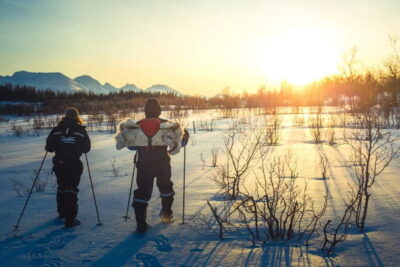
Guided Husky Snowshoe Hike and Husky Camp Visit
Read our review →
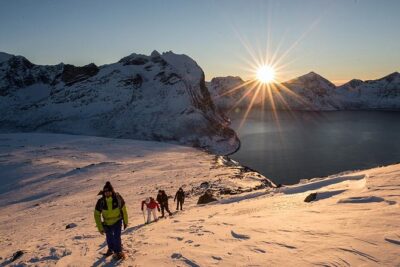
Tromso Snowshoeing – Valley, Fjord Views, Wildlife, Meal & Pickup
Read our review →
Snowshoeing Tour & Reindeer Encounter with Lunch
Read our review →
Browse the lists this tour appears in