
Reviewed · WALKING TOURS
Oslo: Best of Oslo Walking Tour
Oslo’s best introduction is on foot, where the city’s royal, political, waterfront, and medieval sides fit into one brisk route. You’ll move from Karl Johan Street and the Norwegian Parliament to Christiania Torv, Akershus Fortress, the Opera House, and Aker Brygge, with a guide explaining why each place matters.
I like the tour’s useful city orientation and the way guides turn names and buildings into stories about Norway. I also like the included audio app, which gives you a way to keep exploring after the group walk ends.
The main drawback is simple: two hours can only provide an outside look at many sights. You won’t enter the museums, fortress, Opera House, or City Hall, and winter snow or rain can make the walk harder, especially for anyone using a wheelchair.
Key points to know before booking
- A compact route through central Oslo: See Parliament, the Cathedral, Christiania Torv, the Opera House, Akershus Fortress, City Hall, and Aker Brygge in one walk.
- Strong storytelling from the guides: Minji, Anastasia, Olaf, Amelia, Oliver, Judit, Csilla, and others have been praised for clear English, humor, local advice, and answers to questions.
- A good first-day activity: The walk helps you decide which museums, cafés, restaurants, waterfront areas, and parks deserve more of your time.
- No attraction admissions included: You pass the major sights, but the tour price does not cover entry inside them or public transportation.
- Two language choices: Live commentary is available in English or German, with the language selected when you book.
- Extra exploring after the tour: Scan the voucher’s QR code to access the sightseeing app and its self-guided routes.
Why this two-hour Oslo walk works
At $38 per person, this is not the cheapest way to stroll around Oslo. You can walk much of central Oslo on your own. The value comes from having a local guide connect the sights, explain the city’s changing identity, and point out details you might otherwise pass without noticing.
The route also saves planning time. In two hours, you get an outline of Sentrum, the central district, and the waterfront areas. I’d use it at the start of a stay, ideally on your first or second day, then return to the places that catch your interest.
The tour has earned a 4.5 rating from 458 bookings, and the strongest pattern is clear: guides make the experience. Minji has been praised for showing lesser-known spots, while Anastasia, Olaf, Amelia, Oliver, Judit, and Csilla have all been singled out for friendly delivery and strong command of Oslo’s story. The exact guide varies, but the experience depends heavily on who leads your departure.
More Highlights Tours in Norway
- Oslo: 3-Hour Highlights Bike Tour
★ 4.8 · 1,609 reviews - Oslo Highlights Bike Tour
★ 5.0 · 979 reviews - Oslo: City Highlights Walking Tour
★ 4.8 · 197 reviews
Starting near the university or Nobel Peace Center
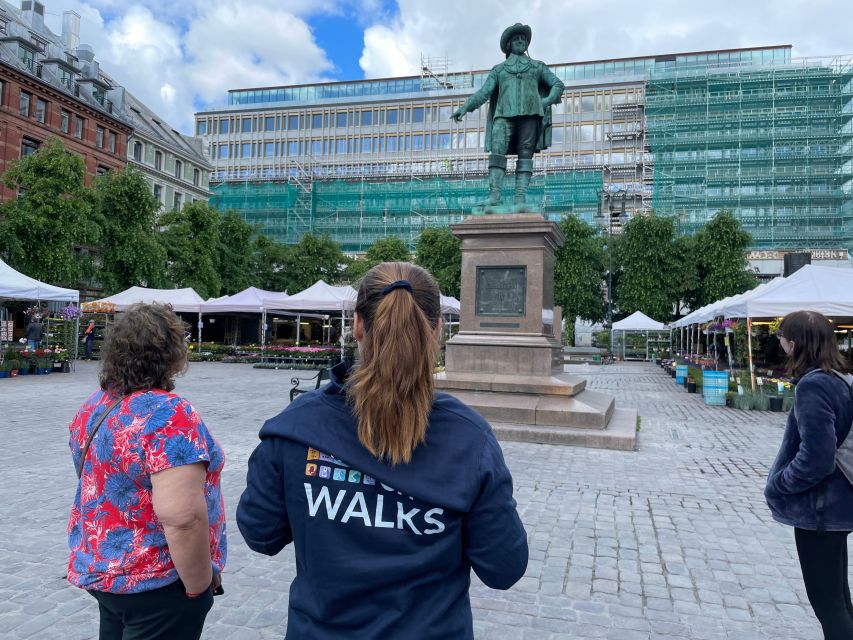
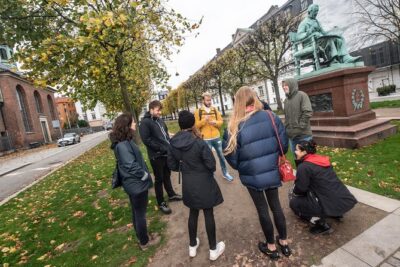
There are two meeting points, depending on the language and option you book. English groups meet near the statue of P.A. Munch by the Faculty of Law entrance at University Aula, Karl Johan Street 47. German groups meet at the Nobel Peace Center at Brynjulf Bulls plass 1.
Arrive about five minutes early. That small buffer matters in a city walking tour, since the group may leave promptly and continue down the street. The tour finishes at either Universitetsplassen or the Nobel Peace Center, again depending on the option booked.
The starting locations place you close to important central sights. They also mean you should check the exact meeting details on your booking rather than assume every departure begins in the same place.
Karl Johan Street, Parliament, and Oslo’s public face
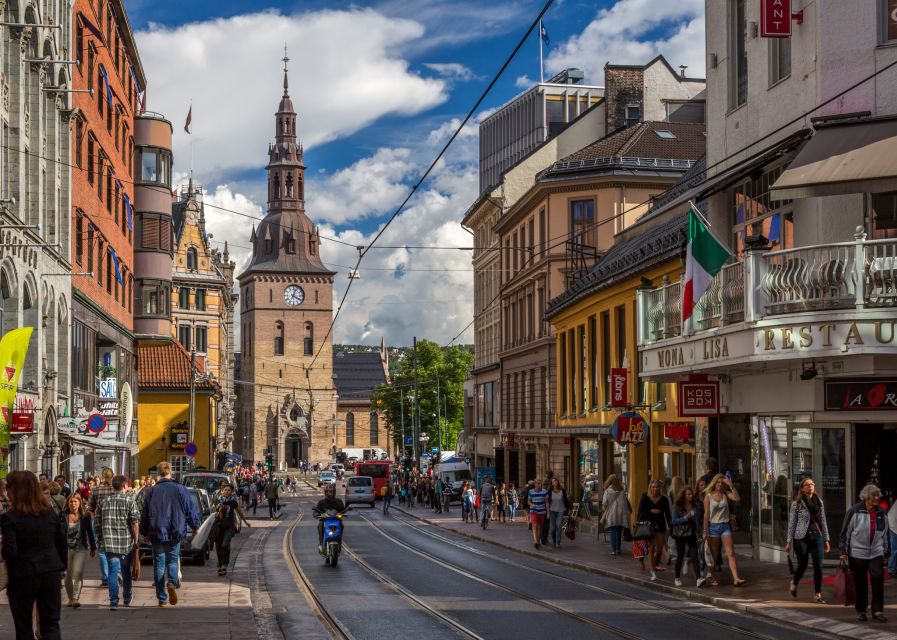
The early part of the walk introduces Oslo through its grand civic and commercial center. You pass Paleet, the Norwegian Parliament, the Grand Hotel, and Karl Johan Street, the capital’s main thoroughfare.
This is where a guide adds real value. You’ll hear how Norway’s political system works, what the Parliament represents, and how the city’s most formal buildings relate to daily life. Several guides have also used this part of the route to explain Norwegian culture and offer suggestions for museums, cafés, and restaurants.
The Grand Hotel is also tied to the Nobel Peace Prize ceremony, making this more than a photo stop. You learn why the peace award is presented in Oslo, while the other Nobel prizes are associated with Sweden. That detail gives the city a special role in the Nobel story.
The tour also explains Oslo’s nickname, the Tiger City. The name links to a poem and an image of the city as a powerful, sometimes threatening place. It is a small piece of local identity, but exactly the sort of detail that helps a city feel less like a collection of buildings.
Oslo Cathedral, the bazaars, and everyday city details

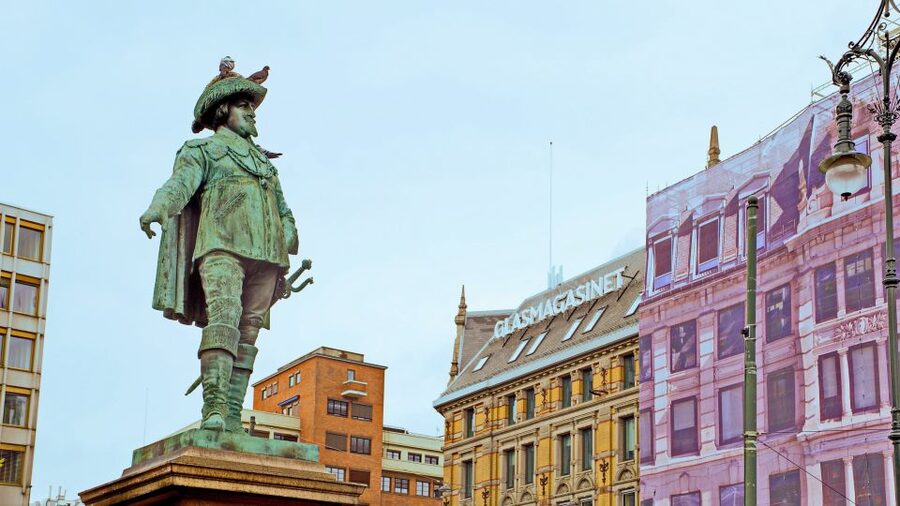
The route continues past the Oslo Bazaars, GlasMagasinet Stortorvet, and Oslo Cathedral. These stops shift the focus from government and hotels to the older commercial and religious center.
The Cathedral area is useful for getting your bearings. It sits near several of the city’s main streets and squares, and the walk helps you see how Oslo’s central districts connect. The bazaars and department store also give you a sense of the city beyond postcard monuments.
You pass Stortorvet Gjestgiveri and the fire tower as well. These smaller details can be easy to miss when you walk alone, especially if you are concentrating on a map. Guides often use them to explain how Oslo developed and how different parts of the center served different purposes.
The pace is generally a pleasant stroll rather than a forced march. A guide has to keep the group together, though, so you should not expect long stops at every building. This is an overview, not a series of full architectural lectures.
More Highlights Tours in Oslo
- Oslo: Guided Oslo Highlights Tour by bus & Oslofjord cruise
★ 4.5 · 157 reviews - Oslo City Highlights with Fjord Cruise
★ 4.5 · 128 reviews - Best of Oslo Guided Walking Tour
★ 4.5 · 122 reviews - Private Oslo Tour with a Local, Highlights & Hidden Gems, 100% Personalised
★ 4.5 · 61 reviews
Opera House and the changing waterfront
The Norwegian Opera House provides one of the tour’s most recognizable modern sights. Its sloping exterior invites people to walk across the building, making it feel like part of the public waterfront rather than a sealed-off theater.
You pass the Opera House rather than enter it. That distinction matters if you are booking this because you want a performance or an interior tour. Still, the stop helps explain Oslo’s newer waterfront development and the city’s effort to bring public life toward the water.
The route also passes KOK Oslo Sauna at Langkaia. The sauna is a distinctly modern Oslo sight, showing how the waterfront is used for leisure as well as transport and business. It makes a useful contrast with the older streets and fortress farther along the route.
This is one of the places where weather affects the experience. Rain, wind, and snow can make open waterfront areas uncomfortable. Previous departures have continued in rain, hail, and snow, so bring clothing suited to the forecast rather than treating this as an indoor sightseeing activity.
Christiania Torv and Oslo’s changing name
Christiania Torv takes you into the story of Oslo’s original city center. The capital has changed names several times over roughly 300 years, and this square helps your guide explain why.
You’ll hear about Christiania, the name used after a major fire and rebuilding, as well as the return to Oslo. The point is not just a list of old names. It shows how fire, royal power, urban planning, and national identity reshaped the capital.
This section is especially useful if you enjoy history but do not want a lecture made only of dates. Guides such as Olaf and Csilla have been praised for combining facts with stories about people, political shifts, and modern Norwegian life. That style makes the city easier to understand after the tour.
Akershus Fortress and the old harbor edge
Akershus Fortress gives the walk its strongest medieval and military setting. You pass the fortress and hear about its role in Oslo’s past, but entry is not included.
Do not book this tour expecting a detailed fortress visit. The guide can provide context and point out the site, but you’ll need separate time and admission arrangements if you want to explore its interiors. The same rule applies to other attractions along the way.
The fortress also helps connect the old city to the harbor. From here, the route moves toward City Hall and the ceremonial waterfront, where Oslo’s civic and maritime identities meet.
City Hall, the Ceremony Pier, and Aker Brygge
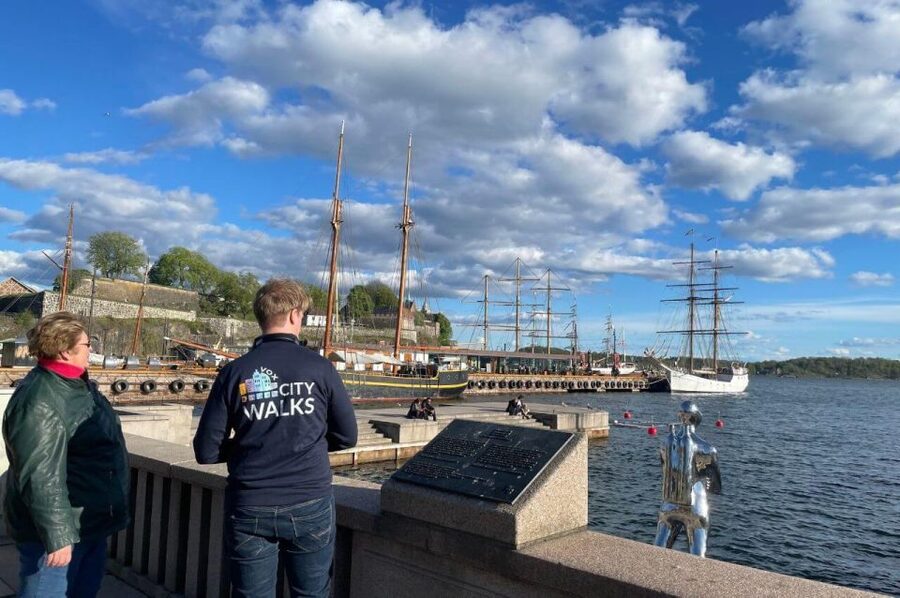
Oslo City Hall is one of the key civic buildings on the walk. The group passes it, along with the Ceremony Pier, where the waterfront takes on a formal role in national events.
You’ll also pass Anatomigården and continue toward Aker Brygge. Aker Brygge is known for restaurants, bars, shops, and waterfront strolling, so this section is useful when you are deciding where to eat or spend an evening.
The tour presents Aker Brygge as an alternative quarter to the older central streets. I like that contrast. You see a city with medieval roots and grand nineteenth-century avenues, but also a newer district built around food, leisure, and the harbor.
Tjuvholmen extends that modern waterfront feel. Again, the tour offers an outside orientation rather than time for a full restaurant stop or museum visit. If the area appeals to you, return later with more time and check current opening hours yourself.
The Royal Palace, theater, and the final stretch
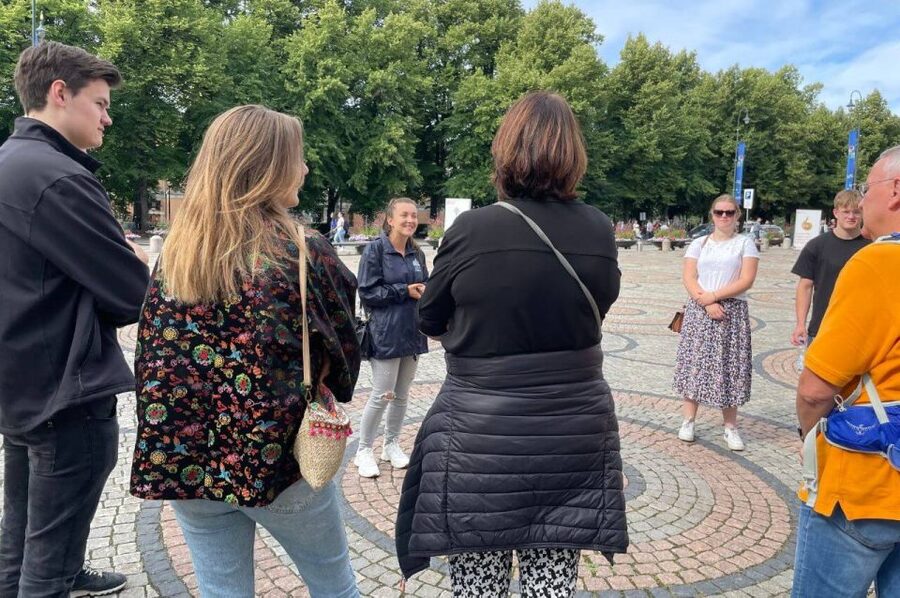
The route also passes the Royal Palace, the Norwegian National Theater, and Karl Johan’s monument. These sights fill in the royal and cultural side of central Oslo.
The Royal Palace is a major landmark, but you should think of this tour as a pass-by introduction. You get the location, the setting, and the story, then decide if you want to return for a closer look.
The National Theater and the university area bring the route back toward the center. This makes the ending practical: you are not dropped far from the main sights, and you can continue to cafés, museums, shops, or your hotel afterward.
Because the walk covers so many districts, the guide has to keep explanations focused. That works well for first-time visitors who want a clear framework. It may feel too quick if you prefer to linger at each building or take many photographs.
What the included audio app adds
After the live tour, scan the QR code on your voucher to access the sightseeing app. It includes an audio-guided route through additional Oslo areas and sights such as Frogner Stadion, Trinity Church, Grensen, Aamodt Bridge, Karl Johan’s monument, and the Parliament area.
The app is a worthwhile extra because it changes the tour from a single two-hour event into a starting point for further walks. You can use the live tour to identify areas you want to revisit, then use the audio routes to continue at your own pace.
I would not treat the app as a replacement for the guide. The live walk lets you ask questions and adjust the conversation to your interests. The app is best used afterward, when you want more structure without joining another group.
Pace, group comfort, and weather
The walk is described as approximately two hours and generally follows a reasonably flat route. Guides have been praised for starting on time, finishing on time, and moving at a pace that lets people keep up without feeling rushed.
Large groups may receive an earpiece, which helps you hear the guide near busy streets. One departure with 13 people used this approach successfully. Still, group size can vary, and the experience will feel more personal in a small group than in a large one.
Winter conditions deserve serious thought. Snow and uncleared sidewalks made the route difficult for one participant using a wheelchair, even though the guide tried to help. If you have mobility concerns, contact the provider before booking and check the forecast and ground conditions on the day.
Rain is manageable with proper clothing, but it can reduce the pleasure of long outdoor explanations. The tour continues in poor weather, so pack waterproof shoes and an outer layer if Oslo looks wet or snowy.
Who should book this Oslo walking tour?
This is a strong choice for first-time visitors, cruise passengers with limited time, and anyone who wants a quick city framework before choosing what to explore in detail. It also suits history and culture fans who like stories about politics, royal buildings, urban change, and daily Norwegian life.
Families and older visitors may appreciate the short duration and mostly easy route, but should still consider weather, walking surfaces, and the lack of indoor stops. People who want museum interiors, a full fortress visit, or a slow photography walk should choose a more specialized experience.
The tour is offered in English and German. Several guides, including Minji, Anastasia, Olaf, Amelia, Oliver, Judit, Judith, Csilla, and Ihor, have been praised for warmth, clear explanations, humor, and practical suggestions. Since the assigned guide changes, book it for the route and format rather than expecting a specific person.
Final decision: good value for a first look at Oslo
Book this tour if you want a clear, story-led introduction to Oslo in two hours. The route covers an impressive number of central landmarks, and the guides add the context that turns a simple walk into useful orientation.
Skip it if you already know central Oslo well or want to spend your time going inside attractions. At $38, the price makes sense when you value a live guide, local recommendations, and the added audio app. For a first or second day in the city, it is a practical way to get your bearings, choose where to return, and understand why Oslo feels both historic and modern.
FAQ
How long does the Best of Oslo Walking Tour last?
The guided walk lasts approximately two hours.
What languages are available?
Live commentary is available in English or German. You select your preferred language when booking.
Where does the tour begin?
The meeting point depends on the option booked. English groups meet near the statue of P.A. Munch at University Aula, Karl Johan Street 47. German groups meet at the Nobel Peace Center at Brynjulf Bulls plass 1.
Does the tour include attraction admission?
No. The tour passes landmarks such as Akershus Fortress, Oslo City Hall, and the Opera House, but entry tickets are not included.
Is public transportation included?
No. Public transportation tickets are not included in the tour price.
How do I access the sightseeing app?
Scan the QR code on your voucher. The app provides audio-guided routes for continuing to explore Oslo after the live walk.
More Walking Tours in Oslo
- Taste of Oslo Walking Tour
★ 4.5 · 282 reviews - Central Oslo Guided Walking Tour with Local Guide
★ 4.5 · 278 reviews - Oslo: Snowy Forest Torchlight Walk with Campfire
★ 4.6 · 254 reviews - Oslo Island Walks: Island Hopping Tour
★ 4.7 · 183 reviews
More Walking Tours in Norway
- Oslo Nature Walks: Island Hopping Tour
★ 4.8 · 2,713 reviews - Oslo Nature Walks: Island hopping
★ 5.0 · 570 reviews - Oslo: Guided Walking Tour of Central Oslo
★ 4.7 · 438 reviews - Oslo: Historic Myths & Legends Evening Walking Tour
★ 4.8 · 408 reviews
Just added around Oslo
- Oslo Winter Highlights Bike Tour★ 5.0 · 36 reviews
- Unknown war. Oslo and Norway during 1940-45★ 5.0 · 74 reviews
- The Viking Planet Museum – Mini Group (4 adults)★ 4.0 · 16 reviews
- 4 hours Best View of the Oslofjord Winter Edition★ 4.0 · 15 reviews
- The Ultimate Norwegian Skiing Experience★ 5.0 · 16 reviews
- The Ultimate Study of the Human Form at Vigeland’s Sculpture Park with a Local★ 4.0 · 14 reviews
- The Viking Planet Museum Ticket★ 4.0 · 197 reviews
- The Oslo Beer Adventure★ 4.5 · 11 reviews
Walking Tours, compared.



Past & Present Small Group Guided Walking Tour
Read our review →
Walking Tour in Bergen of the Past and Present
Read our review →
Browse the lists this tour appears in