
Reviewed · VIKING EXPERIENCES
From Stockholm: Viking Culture Guided Tour with Transfer
Sweden’s Viking story comes alive outside Stockholm, where rune stones, grave fields, and old roads still sit in the countryside. This six-hour trip takes you to real sites rather than a museum display, then finishes in Sigtuna, Sweden’s oldest existing town.
I like the mix of history and scenery, and I like that guides such as Gabriel, Eric, Calle, Olof, and Charlotte bring different parts of Swedish culture into the conversation. The minivan pickup also saves you the trouble of arranging transport to scattered sites.
The main drawback is the pace. You cover several places in one day, and some stops are outdoors on lightly rugged ground. Sigtuna’s guided walk lasts about 45 minutes, so you may want more free time there than the schedule allows.
Key points to know before booking
- Broby bro reveals Viking burial customs: Walk through a grave field used for more than 1,000 years and hear the story of Estrid, a Viking woman identified from her skeleton.
- Jarlabanki’s Causeway shows Viking power: The 150-meter bridge gives you a clear link between status, road building, and communication.
- A preserved council site explains Viking society: You learn how decisions were made at a place that remains in its original location.
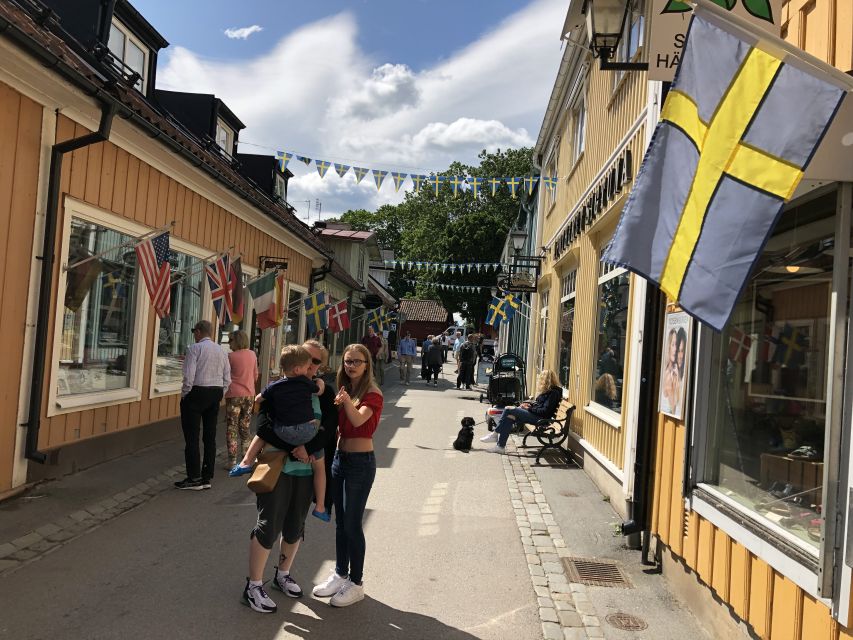
- Sigtuna provides the prettiest finish: Expect wooden houses, church ruins, the bay, and a short guided walk through Sweden’s oldest existing town.
- The guide makes or breaks the day: English-speaking guides such as Gabriel, Eric, Calle, Olof, and Quentin are praised for clear stories, humor, and patience with questions.
- Lunch is not included: Allow extra money and time for a meal. Vegetarian dishes are available at the restaurant.
Why this tour is worth leaving Stockholm for
Stockholm gives you royal buildings, museums, and polished city streets. This tour gives you something different: the countryside where early Swedish society took shape.
The Viking remains are not gathered in one large attraction. They are spread across fields, roads, village edges, and the old town of Sigtuna. That is part of the appeal. You are not simply looking at objects behind glass. You are standing near the places where people were buried, traveled, worshipped, and made decisions.
The price is $193 per person, which is not a small add-on. I see the value in it if you want transport, a full day of guiding, and several sites without renting a car or sorting out rural connections. You are paying for the vehicle and driver-guide as much as for entry to the places themselves.
If you mainly want a quick look at one Viking artifact, this is too much time and money. If you want the broader story of Viking life, Swedish roads, burial practices, and the country beyond Stockholm, the price is easier to justify.
More Viking Experiences in Stockholm
- Stockholm: The Viking Museum Exhibition and Viking Ride
★ 4.5 · 667 reviews - Entrance ticket to The Viking Museum
★ 4.0 · 301 reviews - From Stockholm: Uppsala and Sigtuna Viking Sites Tour
★ 4.7 · 157 reviews
Leaving Stockholm by minivan
Pickup is offered from a centrally located hotel, a cruise or harbor location, or Stockholm Central Station. Pickup can begin from 60 minutes before the stated starting time, so keep your phone available and expect the exact timing to shift.
The minivan matters here. The sites are spread north of Stockholm, and moving between them by public transport would be awkward. Your driver-guide handles the route while explaining Swedish history along the way.
The scheduled duration is six hours. Traffic can affect both pickup and return, especially during morning rush hour, so do not plan a tight connection immediately afterward. Drop-off is available at your hotel or elsewhere in central Stockholm.
The ride also gives you a useful look at Sweden outside the capital. You pass from urban streets into open countryside, and the changing scenery helps place the Viking sites in their setting. This is not only a history outing. It is also a short introduction to rural Stockholm County.
Broby bro and the story of Estrid
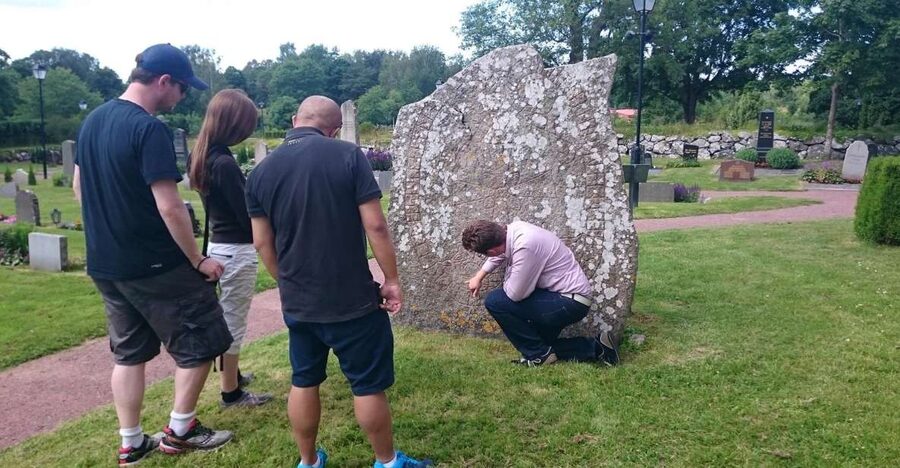
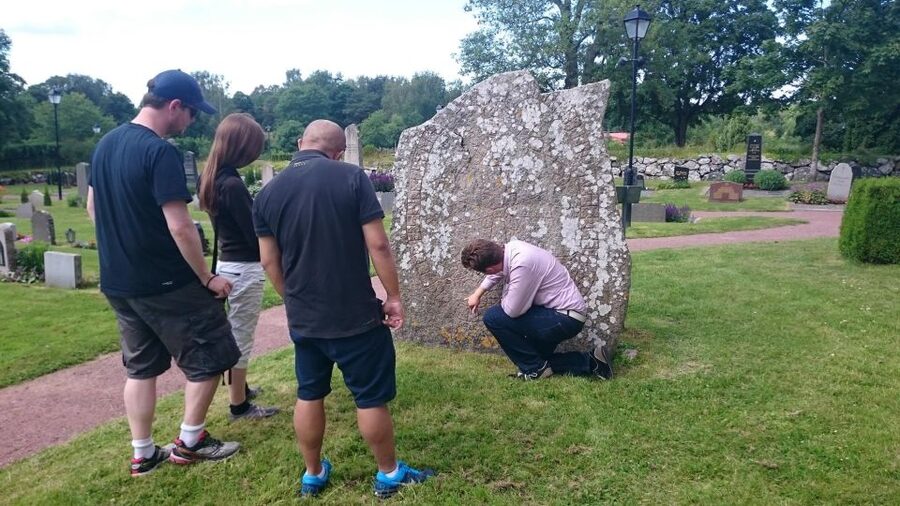
The first major stop is Broby bro, a Viking and Iron Age burial field. People were buried here for more than 1,000 years, making the site a good place to begin with the practical side of Viking life.
Your guide explains how a burial was arranged and what grave traditions can reveal about beliefs, family, and social position. You walk through the area rather than viewing it from a bus, though the terrain is described as lightly rugged in places.
The story of Estrid gives the stop a human focus. In 1995, a skeleton found in a Christian part of the burial field was identified as a woman around 60 years old. Researchers connected her to the name Estrid and used the remains to build a picture of her life.
That detail helps move the subject away from the familiar Viking image of warriors and ships. You hear about an older woman who lived through changes in religion and society. It is one of the tour’s most useful corrections to the usual Viking stereotype.
Bring shoes with firm soles. There is not a huge amount of walking, but grass, paths, and uneven ground are part of the experience. In wet weather, the site can feel less comfortable, so dress for the forecast.
Jarlabanki’s Causeway and Viking road power
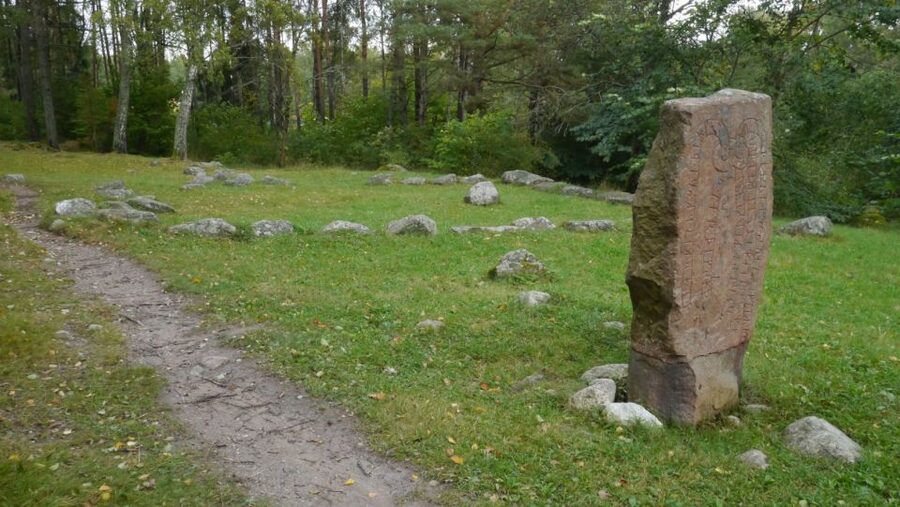
Next comes Jarlabanki’s Causeway, an 11th-century bridge built by Earl Jarlabanki. The causeway stretches about 150 meters and offers a practical lesson in how people moved through the region.
Jarlabanki was a powerful man who used the bridge to display his importance. The guide connects the structure to road building, communication, and social rank. That makes this more than a photo stop. You begin to see how a wealthy leader could shape the movement of people and goods while also advertising his own authority.
The causeway is also a good place to consider how different the region was 1,000 years ago. Roads were not modern highways, and bridges required serious labor. A structure like this served a useful purpose, but it also sent a message about who had the power to build it.
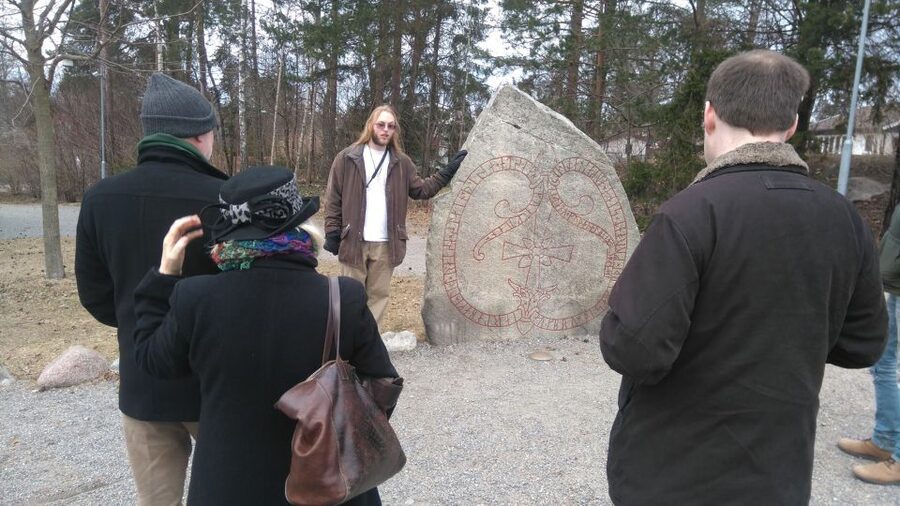
Take a moment to look around before the explanation begins. One minor practical issue raised about the guiding is that a guide may stand directly in front of a rune stone or building while speaking. If you want clear photographs, take them early, then move closer for the talk.
More Viking Experiences in Sweden
- Full Day Viking Tour with Fika Swedish Coffee Break
★ 4.5 · 81 reviews - 3-4h Viking History Short Day Tour from Stockholm
★ 5.0 · 41 reviews - Stockholm: Sigtuna and Uppsala Viking History Day Tour
★ 4.7 · 41 reviews - From Stockholm: Viking Culture and Heritage Small Group Tour
★ 4.7 · 29 reviews
The Viking council site
The tour then visits a Viking council preserved in its original location. Here the focus shifts from burial and transport to government.
Your guide explains how Viking society made decisions and how people with influence ruled their communities. The site helps you picture the social structure behind the monuments. Viking life was not only raids and travel. It also involved law, authority, local disputes, and public decision-making.
This stop depends heavily on the guide because the physical remains may not be as immediately dramatic as a long bridge or a church ruin. A strong explanation gives the place meaning. Guides such as Eric and Gabriel are praised for answering questions and linking Viking history with later Swedish history and modern life.
That wider context is useful. You hear how the Viking period fits into Sweden’s longer development rather than treating it as an isolated adventure story.
Sigtuna, Sweden’s oldest existing town
Sigtuna is the main attraction and the most varied stop. The town has about 8,000 inhabitants and is described as the oldest still-existing town in Sweden.
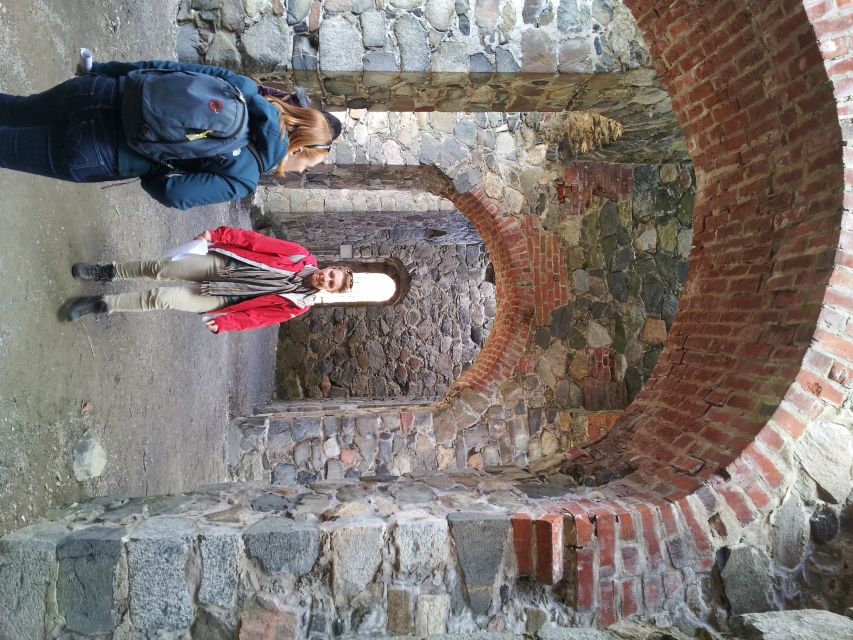
You take a guided walk of roughly 45 minutes. Expect views across Sigtuna Bay, old main streets lined with 18th-century wooden houses, and the remains of a 12th-century Romanesque church. The town gives you a more complete sense of how Swedish settlement changed over time.
Sigtuna is also the place where you have the clearest chance to wander and take photographs. The waterfront is especially appealing. One useful tip is to walk down toward the lake if time allows. The central streets can feel tourist-oriented, while the bay offers a quieter setting.
Lunch is not included, so plan for an extra expense. A guide may recommend a restaurant, and vegetarian dishes are available. The schedule allows for lunch, but do not expect a long, leisurely meal if the group is keeping to the full route.
Sigtuna is likely to be your favorite stop if you enjoy architecture and atmosphere as much as archaeology. The church ruins, wooden houses, and water views provide more visual variety than the rural burial fields. On the other hand, if your main interest is Viking archaeology, the earlier stops may feel more substantial.
The guide is the heart of the experience
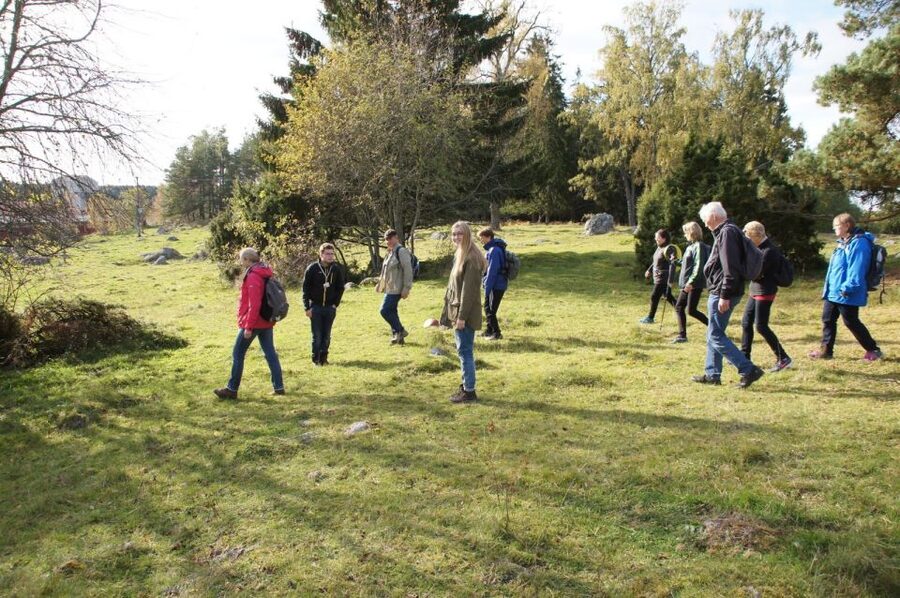
The tour is sold with an English-speaking local guide, and the guide’s ability matters a great deal. Names associated with the experience include Olof, Gustav, Angelina, Calle, Gabriel, Eric, Charlotte, Nadia, Quentin, Jonathan, and Lena-Marie.
The strongest guiding style combines facts with stories and leaves room for questions. Gabriel is praised for humor and for giving people time to ask things. Eric is described as connecting Viking history with Sweden’s wider past and present. Calle is noted for answering questions about Swedish culture as well as history.
Quentin is a useful example of the flexibility you may want from a guide. During poor weather, the route was adapted, and drop-off locations were adjusted when possible. Weather changes are a real concern in Sweden, so a guide who can make sensible changes adds value.
You should still keep your expectations realistic. This is a group excursion, not a private archaeology seminar. The guide needs to keep the whole group moving, and the exact balance between talking and free time can vary.
Weather, walking, and what to bring
Comfortable walking shoes are essential. The tour does not involve a large amount of walking, but Broby bro and other outdoor sites include uneven or lightly rugged ground.
Dress in layers and check the forecast. Stockholm winters can be harsh, with temperatures often around 0 C, or 32 F. Wind and damp weather can make outdoor explanations feel colder than the temperature suggests.
Bring a camera, but listen for the best photo moments. At some monuments, the guide may speak near the feature you want to photograph, then move on quickly. Take a few pictures before the talk begins, and ask politely if you need another angle.
The tour is not suitable for children under six or adults over 90, according to the activity restrictions. No special level of fitness is stated, but the outdoor surfaces and weather mean it is best for people who are comfortable walking short distances outside.
Who will enjoy this most?
I would recommend this tour to you if you want an informed introduction to Swedish history and do not want to drive. It works especially well for first-time visitors who have already seen central Stockholm and want a half-day look at the country beyond the city.
It is also a good choice if you prefer real places to a highly produced attraction. The grave field, causeway, council site, and church ruins are meaningful because they remain connected to the land where events took place.
Families with older children may enjoy the stories, especially Estrid and Jarlabanki. The age restriction means it is not designed for very young children. You should also think twice if long periods outside in cold or wet weather would make the day unpleasant.
History fans may wish for more time at each location. The tour covers a lot in six hours, and Sigtuna receives only about 45 minutes of guided walking. If you prefer a slow visit with long museum stops, this may feel hurried.
Is $193 a fair price?
At $193, this is a premium half-day outing. The strongest value comes from convenience: pickup, return transport, a driver-guide, and access to rural sites that are difficult to combine on your own.
You are also buying interpretation. Rune stones and burial grounds can be easy to overlook without context. A good guide explains what you are seeing, corrects popular myths, and connects small remains to Viking society.
The value is weaker if you are happy using public transport, choosing one site, and reading on your own. Lunch is extra, and traffic can shorten the usable time. Still, for a visitor with limited time in Stockholm, the ability to see several places in one organized trip is a real benefit.
Should you book this Viking tour?
Book it if you want Viking history in its original setting, a countryside outing, and a guide who can discuss Sweden beyond the headline stories. The combination of Broby bro, Jarlabanki’s Causeway, the council site, and Sigtuna gives the day a clear progression from burial customs to power, roads, government, and town life.
Skip it if you want a relaxed day with lots of free time, a full meal included, or a single major museum. You will spend much of the day moving between stops, and outdoor conditions can be cold or uneven.
For most history-minded visitors staying in Stockholm, I think the tour earns its place in the schedule. Just wear good shoes, leave room in your budget for lunch, and keep your afternoon flexible in case traffic delays the return.
FAQ
How long does the Viking tour last?
The activity lasts six hours. Pickup and return times are approximate, and road traffic can cause delays.
Where can pickup and drop-off take place?
Pickup is available from centrally located hotels, cruise or harbor locations, and Stockholm Central Station. Drop-off is available at your hotel or elsewhere in central Stockholm.
What language is the tour conducted in?
The live tour is conducted in English.
Is lunch included?
No. Lunch is not included in the price. Vegetarian dishes are available at the restaurant.
How much walking is involved?
There is not a large amount of walking, but some stops include lightly rugged terrain. Comfortable walking shoes are recommended.
What should I wear?
Wear clothing suited to the weather and bring good walking shoes. Stockholm winters can sometimes be harsh, with temperatures often around 0 C, or 32 F.
Can I cancel the booking?
You can cancel up to 24 hours in advance for a full refund. The reserve-now, pay-later option allows you to book without paying immediately.
Just added around Stockholm
- Traditional Persian Cooking Class in Stockholm with a Local★ 5.0 · 20 reviews
- Stockholm Top attractions all-inclusive Gran Tour Winter Edition★ 5.0 · 6 reviews
- Airport Limousine Transfer: Arlanda Airport to Stockholm City 1-7 Passengers★ 4.0 · 5 reviews
- Scandinavian Art, Architecture and Design Tour in Stockholm★ 4.5 · 11 reviews
- Wolf and Wildlife Tracking in Sweden★ 5.0 · 9 reviews
- Stockholm: Sunset Hike in Tyresta National Park with Meal★ 5.0 · 79 reviews
- Walking Tour of Stockholm’s City Center★ 4.5 · 26 reviews
- Private Tour: Swedish History Day Trip to World Heritage Candidate Markim-Orkesta from Stockholm★ 5.0 · 8 reviews
Viking Experiences, compared.

Viking Village, Nærøyfjord Cruise & Flåm Railway
Read our review →


Guided tour – Viking Village, Nærøyfjord Cruise and Flåm Railway
Read our review →
Full-Day; Castle, Palace, Cathedral & Viking ships Tour
Read our review →
Viking History, Runes & Countryside 9h Tour to Sigtuna & Uppsala
Read our review →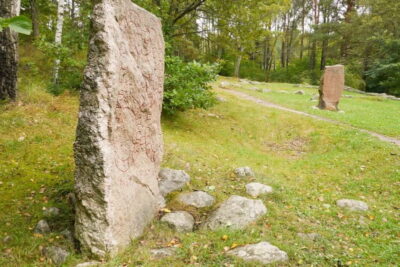
Stockholm Viking History Full Day Tour to Sigtuna + Uppsala
Read our review →Browse the lists this tour appears in