
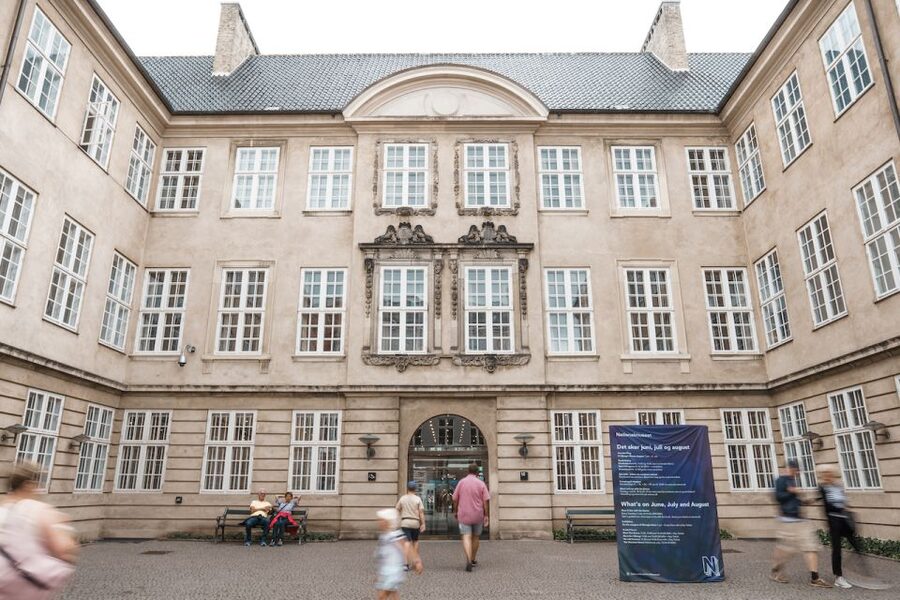
Reviewed · MUSEUMS
Copenhagen: National Museum of Denmark Entry Ticket
The most gripping part of Copenhagen’s National Museum is the way a single visit moves from ancient tools and Bronze Age treasures to Viking beliefs, royal culture, and modern Danish life. I especially like the Viking Sorceress exhibition, with its focus on the Völva, a powerful female seer, and the chance to see famous objects such as the sun chariot and curved Bronze Age lurs. I also like the freedom of a self-guided visit, so you can spend ten minutes on one display or half an hour on another.
The catch is simple: this is a large museum, and its adjoining rooms can be confusing. You can spend three to five hours here without trouble, but trying to see every object may leave you tired and rushing near closing time. Pick your priorities before you start.
Key points to know before you go
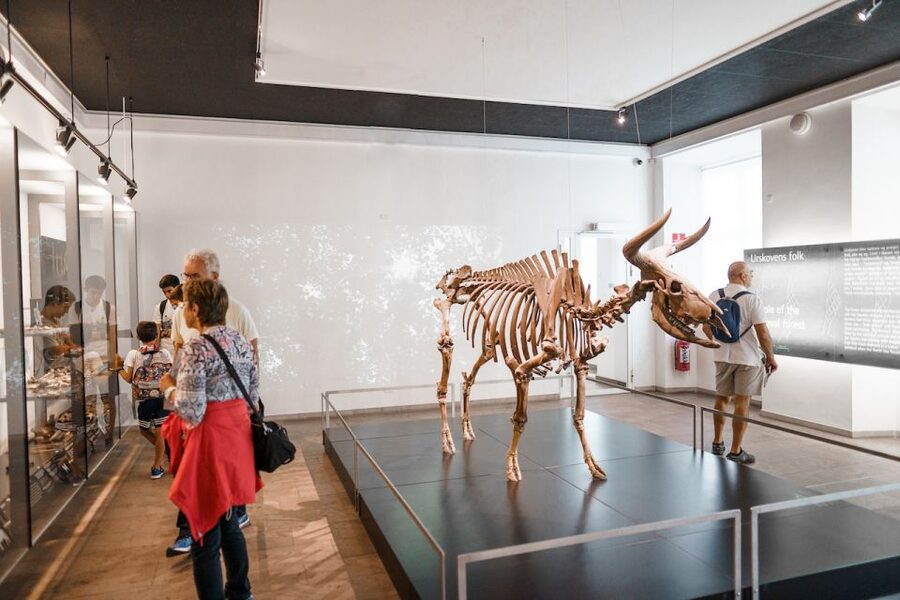
- 14,000 years of Danish history: Follow Denmark from the Stone Age and Bronze Age through the Viking period and into modern times.
- The Viking Sorceress exhibition: Explore the world of the Völva through objects, scenes, and stories from Norse mythology.
- A self-guided visit: Set your own pace, with no fixed group schedule or guide-led route included.
- Major Bronze Age treasures: Look for the famous sun chariot, curved lurs, and ancient helmets.
- Allow three to five hours: The collection is large enough for a half-day visit, and some people return for a second look.
- Central and practical: The museum is easy to reach from Copenhagen’s station area and includes lockers, a café, toilets, a shop, and wheelchair access.
What your $21 ticket gets you
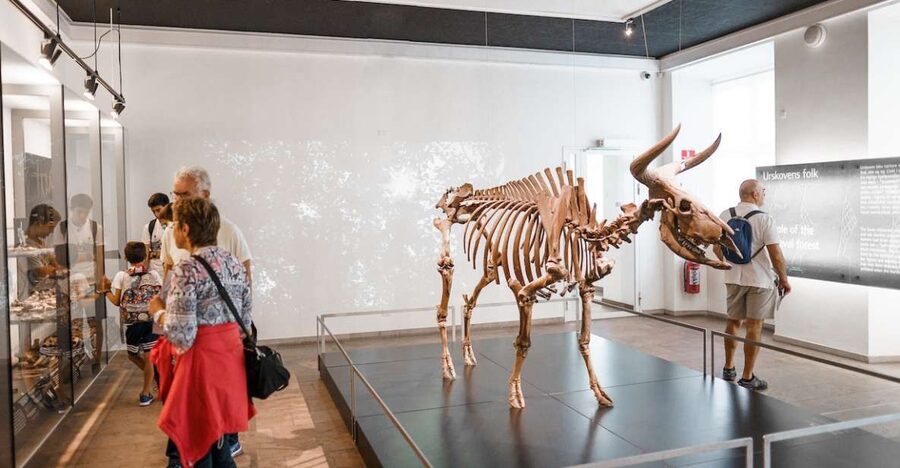
The admission price is about $21 per person. That is a fair deal if you enjoy museums and have at least half a day in Copenhagen, particularly because the ticket remains valid for 365 days. That long validity matters less to someone on a short city break, but it gives you useful flexibility if your plans change or you return to the city.
This is not a guided tour. You show your voucher at the museum’s ticketing desk, then explore independently. That makes the visit easy to fit around lunch, shopping, or a nearby sight, but you will need to choose your own route and decide how much information you want to read.
I would not treat the National Museum as a quick one-hour stop. You can see selected highlights in two or three hours, but three to five hours is a more comfortable target if you want to take in the main historical sections. The museum is also a sensible choice on a rainy day, when its indoor galleries can fill a good part of your afternoon.
More Museum Visits in Copenhagen
- Copenhagen: Amalienborg Palace Museum Entry Ticket
★ 4.3 · 291 reviews - Exhibition – Home of Carlsberg
★ 4.5 · 281 reviews - Copenhagen: Danish War Museum Entry Ticket
★ 4.7 · 106 reviews
Start with Stone Age Denmark
The museum begins with the long story of Denmark, reaching back thousands of years before the Viking Age. The Stone Age displays help you picture daily life through objects that survived long after their makers disappeared. These early pieces are valuable because they deal with ordinary needs: tools, weapons, ornaments, and signs of ritual or belief.
You will then encounter material from the Bronze Age, one of the museum’s strongest sections. The sun chariot is a major highlight, and the great curved lurs are hard to miss. These are not small, anonymous fragments. They give you a direct connection to skilled metalworkers and the ceremonies of a society that existed more than 3,000 years ago.
The Bronze Age displays reward a slower look. At first, a case of old metal objects may seem less immediate than a dramatic Viking weapon. Give it time. The shapes, workmanship, and sheer age of these objects explain why Denmark’s early past is more than a prelude to the Vikings.
The Viking world beyond raiding
The Viking material receives much of the attention, and rightly so. The museum presents the Vikings as sailors, explorers, traders, conquerors, and people with a strong spiritual life. That wider view is useful because Viking history is often reduced to ships and battles.
Here, you can consider how people crossed the seas, traveled to distant parts of the world, and built connections far beyond Denmark. The displays also point toward the beliefs that shaped Viking decisions about life, death, magic, and the future.
The Viking Sorceress exhibition is the museum’s most praised feature. It focuses on the Völva, a female ritual specialist associated with prophecy and magic. The exhibition places her in a mystical setting and uses objects, scenes, and references to the Eddas and sagas to explain her role.
This section works well because it feels different from a standard case-by-case display. You are not only looking at an object and reading its label. You are being asked to think about the people who used it and the world of belief behind it. The presentation is especially appealing if Norse mythology interests you.
One caution: the audio material in this exhibition may not be as strong as the displays themselves. If you want a fully guided explanation of every part, you may find the audio less satisfying than the objects and visual presentation. The exhibition is still worth seeking out, but allow extra time and read the information carefully.
Danish explorers and the wider world
The National Museum does not limit itself to a narrow story of Denmark. It also considers Danish explorers and the country’s contact with distant parts of the world. These displays give context to Denmark’s place beyond its borders and help connect national history with international events.
That broader scope is one reason the museum can feel like several museums in one. You move from archaeology to royal culture, religion, exploration, and social history. The range is useful for a first visit to Denmark because it gives you background for places you may see elsewhere in Copenhagen.
The tradeoff is a possible lack of focus. The museum is not arranged as a simple, straight walk from one date to the next. Some rooms connect in ways that are not immediately obvious, and you might lose your sense of direction. I found it better to accept a little wandering and return to the sections that mattered most.
A different sort of day out, same corner of Copenhagen:
- Copenhagen: Canal Cruise with Guide
★ 4.6 · 9,115 reviews - Copenhagen: Hop-On Hop-Off Bus Tour with Boat Tour Option
★ 3.9 · 4,122 reviews - Private Walking Grand Tour of Copenhagen
★ 5.0 · 3,953 reviews - From Copenhagen: Lund and Malmö 2-Country Tour
★ 4.7 · 2,772 reviews
A self-guided route works best
Since your ticket gives you entry rather than a personal guide, you are free to build your own visit. That is a real advantage for families, photographers, history fans, and anyone who dislikes being hurried through a gallery.
I would begin with the oldest material, continue into the Bronze Age, then give the Viking displays your best attention. After that, use the remaining time for Danish society, exploration, and any temporary exhibition that interests you. If you arrive late in the day, skip sections that do not fit your priorities rather than attempting a full-speed march through every room.
A highlight audio tour has been useful for some visitors, and free docent tours have also been available at times. Because the activity includes only admission, not a guaranteed personal guide, check what is offered on the day if guided help matters to you.
The layout can take a little work. Several rooms lead into one another, and you may find yourself backtracking. That is not a serious flaw, but it does mean the museum rewards a relaxed schedule. Wear comfortable shoes. After several hours, your feet may complain before your interest does.
How long should you stay?
For a quick introduction, allow two to three hours. That gives you time for the main Viking material, the Viking Sorceress display, and selected Stone Age and Bronze Age pieces.
For a proper first visit, plan three to five hours. This is the better choice if you like reading labels, comparing objects, and giving the major treasures the attention they deserve. Five hours is realistic for a serious visit, though you may still need to skim one floor.
A second visit is not excessive. The collection is large, and a return visit lets you focus on sections you passed over. The 365-day validity makes that possible, although you should check availability and opening arrangements before returning.
Families need to judge their own pace. The museum has a children’s area, but the number of objects and the amount of information can feel overwhelming for younger children. The displays are not all behind cases, so keep an eye on small children and allow regular breaks.
Practical comforts inside the museum
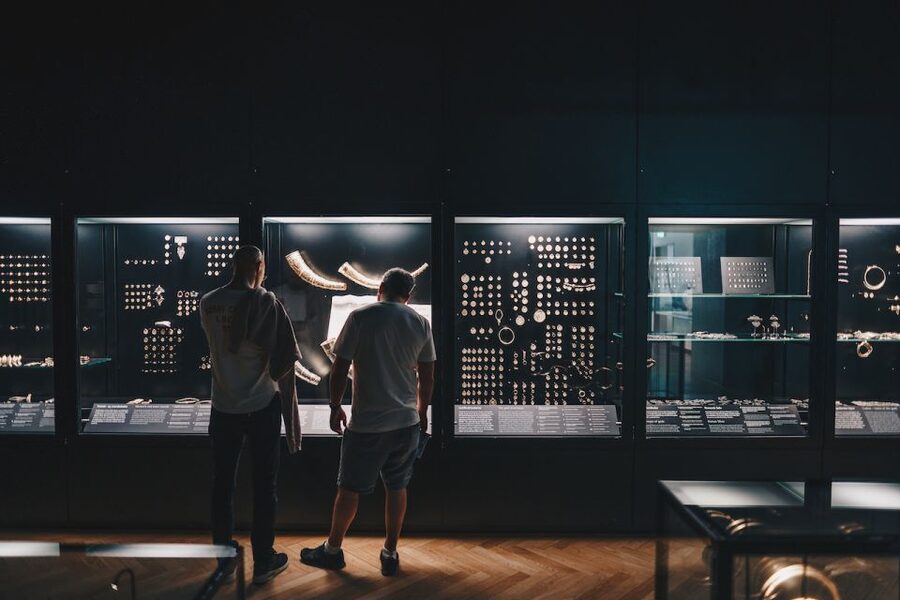
The building includes lockers for personal belongings and a wardrobe for jackets. Those small details make a long visit easier, especially in colder weather when carrying coats through several floors becomes tiresome.
Toilets are available, though facilities can become busy. You may need to wait at popular times, so do not leave every break until the last minute. Wheelchair access is available, which makes the museum a practical option for many visitors with mobility needs.
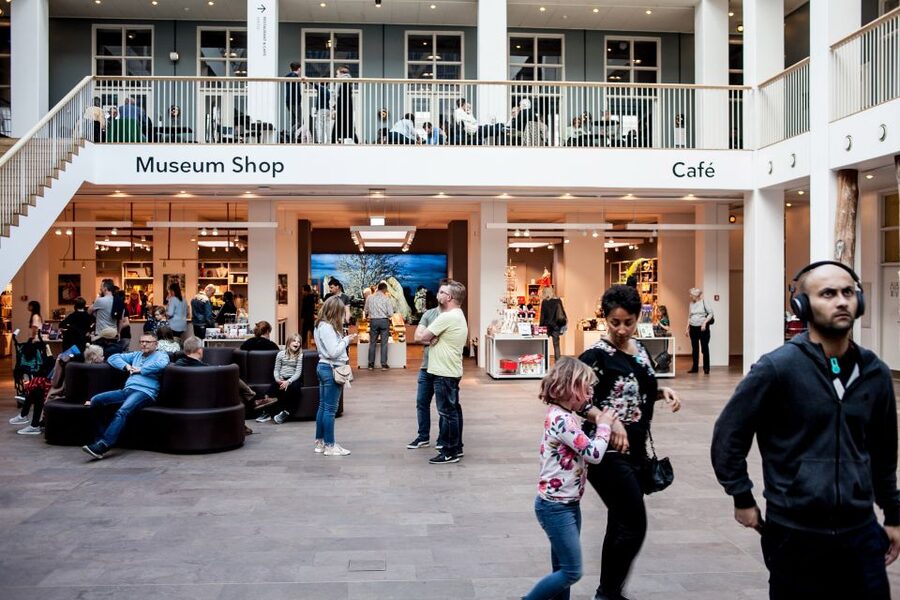
The café is one of the better reasons not to rush out. It provides a comfortable place to stop for a drink or meal, and the range of options has been appreciated by many people. A café break also helps divide the museum into manageable sections rather than turning the whole visit into one long march.
The gift shop is tempting, especially if you like Norse mythology, Danish design, or museum books. Budget a little restraint. It is easy to spend more than planned after seeing Viking-themed items and historical souvenirs.
Where it fits in a Copenhagen day
The museum is central and easy to reach from the station area. It is also close to Christiansborg, making it practical to pair with other central sights, though I would avoid scheduling too many major attractions on the same day.
If you visit Christiansborg first, the National Museum makes a useful change of pace. The palace gives you royal and political surroundings, while the museum provides a much broader story of Danish life. You could also visit the museum on your final day, when its central location makes it easy to reach before leaving Copenhagen.
Do not count on seeing it properly between fixed appointments. The self-guided format is flexible, but the collection is too large for a rushed gap in your schedule. Plan your visit around the museum, not as an afterthought squeezed between two timed attractions.
The strongest reasons to go
I would book this experience for the range of objects. You can see ancient remains, Viking material, Bronze Age treasures, and displays about Danish society in one building. That saves you from fitting several specialized museums into a short stay.
I would also book it for the Viking Sorceress exhibition. The Völva material adds religion, ritual, and gender to the Viking story. If you already know the basic tales of Odin, Loki, and the Eddas, the objects and staged scenes give those stories a more human setting.
The museum also works well for first-time visitors to Denmark. It gives you a broad framework for understanding the country rather than focusing on one king, one battle, or one building. You leave with useful context for the rest of your time in Copenhagen.
The reasons to think twice
I would hesitate if you have only one short day in Copenhagen. The city offers many strong sights, and the museum needs several hours to make the $21 admission worthwhile. If you are not especially interested in history, archaeology, or Viking culture, the amount of information may feel heavy.
I would also think twice if you need a perfectly clear route. The galleries are generally well organized, but the adjoining rooms can make navigation awkward. You might miss a section or retrace your steps.
The museum is not a quick, high-energy attraction. Its rewards come from looking closely and giving the objects time. If you prefer a compact display with a single clear theme, choose one of Copenhagen’s smaller museums instead.
Who should buy this ticket?
This ticket suits history fans, Viking enthusiasts, families with older children, and anyone spending a rainy afternoon in Copenhagen. It is also a strong choice if you want one museum that introduces Denmark from prehistory through the modern era.
You will get the most from it if you plan three or more hours, wear comfortable shoes, and decide on two or three priority sections before entering. Start early if you want to see a lot. The museum is big enough that a late arrival can turn a thoughtful visit into a hurried one.
The ticket is less useful for someone with only a few free hours and no special interest in Danish history. In that case, focus on the Viking material and major Bronze Age objects, then move on before the museum begins to feel like work.
Should you book the National Museum of Denmark?
Yes, if you want a broad, self-guided look at Denmark and have time to spare. The Viking Sorceress exhibition, the sun chariot, the curved lurs, and the Stone Age material give the visit several memorable anchors.
Book it with realistic expectations. You are buying access to a large national collection, not a short guided attraction with a fixed route. Allow at least three hours, accept that you will not read everything, and use the café for a proper break. For a first visit to Copenhagen, this is a useful and substantial choice. For a packed one-day itinerary, it may be more museum than your schedule can handle.
FAQ
How much does admission cost?
The ticket costs $21 per person.
How long is the ticket valid?
The ticket is valid for 365 days. Check availability for current starting times or visit arrangements.
How long should I allow for the museum?
Allow two to three hours for a faster visit. Three to five hours is better if you want to see the main sections carefully.
Is the visit guided?
No personal guide is included. The visit is self-guided, so you can explore at your own pace.
Where do I show my voucher?
Show your voucher at the ticketing desk of the National Museum of Denmark.
What are the main highlights?
The main highlights include 14,000 years of Danish history, Stone Age and Bronze Age remains, Viking displays, Danish exploration material, and the Viking Sorceress exhibition.
Is the Viking Sorceress exhibition included?
The Viking Sorceress exhibition is part of the museum experience described with this admission and focuses on the Völva and Viking beliefs.
Is the museum wheelchair accessible?
Yes, the museum is wheelchair accessible.
Can I cancel the booking?
You can cancel up to 24 hours in advance for a full refund.
Can I pay later?
Yes. The reserve-now, pay-later option lets you book without paying immediately, helping you keep your plans flexible.
Just added around Copenhagen
- walking tour – Copenhagen and Christiansborg 3 hours★ 4.0 · 7 reviews
- The Hunt For The Six Forgotten Giants★ 5.0 · 45 reviews
- Copenhagen Walking Tour with Food Testing (smorrebrod dish & snap)★ 4.5 · 10 reviews
- The Philosopher’s Last Walk: An audio tour on the life of Søren Kierkegaard★ 4.5 · 5 reviews
- Small Group Guided Food Tour and Street Art Visit to Norrebro★ 5.0 · 9 reviews
- The Six Forgotten Giants Trolls Hunt with Minibus★ 4.5 · 27 reviews
- The Foodie Tour of Copenhagen★ 5.0 · 14 reviews
- The Forgotten Giants Private Tour★ 5.0 · 3 reviews
Museums, compared.

Stockholm Pass: Save up to 50% – Includes Vasa Museum Ticket
Read our review →




Browse the lists this tour appears in