
Reviewed · TRAIN EXPERIENCES
From Narvik: Roundtrip Arctic Train Ride on Ofoten Railway
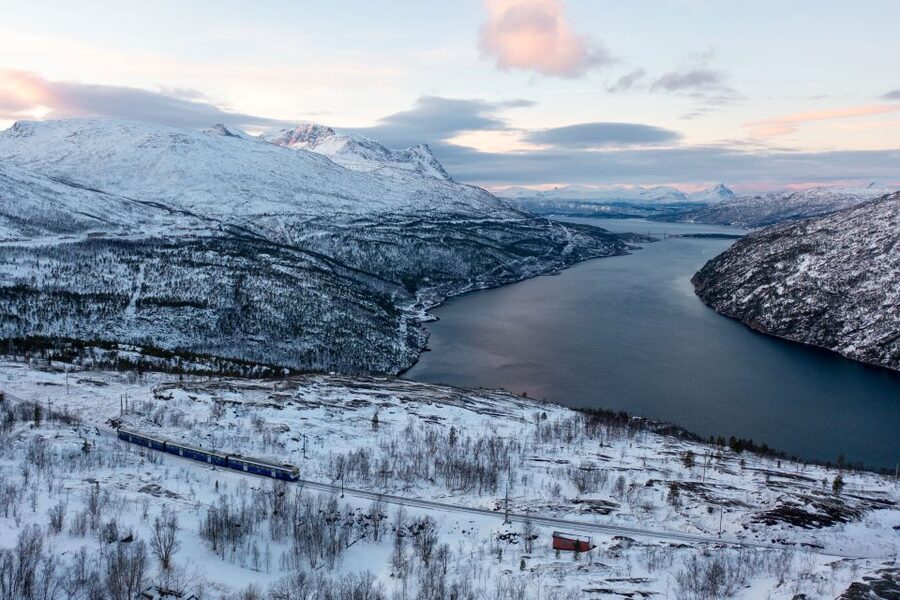
The best part of this Arctic train ride is the steady climb from Narvik toward Bjørnfjell, where fjords give way to snowy peaks, waterfalls, tunnels, and wide-open Arctic views. You get a comfortable seat and let the Ofoten Railway do the hard work.
I like the excellent value at $69 and the chance to see this remote country without hiring a car. I also like the railway’s story: it was built to carry iron ore from Kiruna to Narvik and later became central to the Battle of Narvik.
The main catch is weather. Mist can hide the grand views, and some seats do not have a window. The audio guide is useful when you can hear it, but train noise has made the narration difficult to follow on some departures.
Key points to know before you go
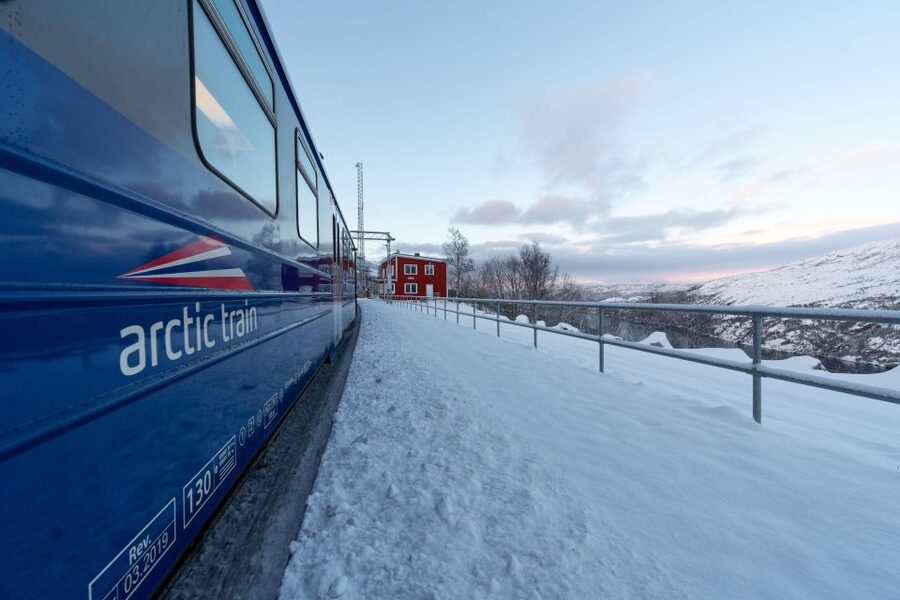
- 43 kilometers from Narvik to Bjørnfjell: The train reaches the last stop before the Swedish border, but this trip does not enter Sweden.
- The left side is best on the outward run: Staff may ask passengers to change sides for the return, giving everyone a fair chance at the views.
- The railway carries a serious wartime story: Its iron ore route played an important role during World War II and the Battle of Narvik.
- Photo opportunities are built into the ride: The train may stop or slow at scenic points, with short chances to get out and look around.
- Cruise passengers should allow time for the walk: The station is roughly 15 to 30 minutes, or about 2 kilometers, uphill from the port.
- The trip is good value compared with ship excursions: At $69, it can cost far less than a cruise line version of a similar rail journey.
Why the Ofoten Railway is worth your time
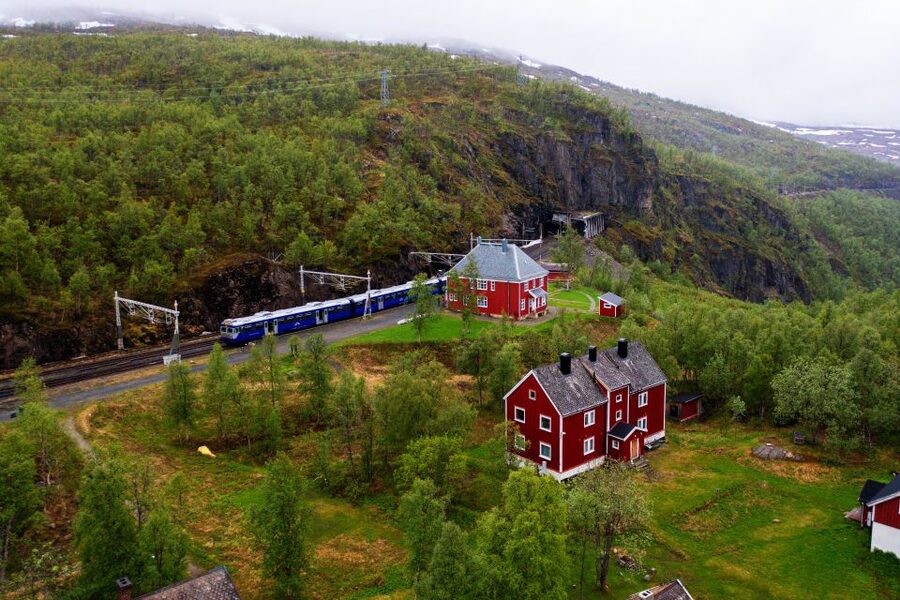
Narvik is one of those places where the railway is part of the attraction, not just a way to get somewhere. The Ofoten Line links the port at Narvik with Bjørnfjell on the Swedish border, covering 43 kilometers through steep Arctic country.
The line was built in the late 19th century for a practical reason: transporting iron ore from the mines around Kiruna in Sweden to Narvik’s ice-free port. That purpose still shapes the route today. You are not simply riding a sightseeing train through pretty scenery. You are following a working transport corridor with an important place in northern European history.
I find that context makes the views more interesting. The tracks cross steep slopes and remote mountain country because they had to connect the mines with the sea. Tunnels, bridges, sharp inclines, and long stretches of rock and snow all make more sense once you know why the railway exists.
The full experience takes about 2.5 hours round trip. That is long enough to reach the high country and enjoy the route without giving up an entire day in Narvik.
More Train Journeys in Norway:
- Bergen: Viking Village, Nærøyfjord Cruise & Flåm Railway
★ 4.8 · 1,047 reviews - Guided tour – Viking Village, Nærøyfjord Cruise and Flåm Railway
★ 4.5 · 371 reviews - Bergen: Viking Village, Nærøyfjorden Cruise and Flåm Railway
★ 4.6 · 155 reviews
Leaving Narvik beside the fjord
The train departs from Narvik station, and the first part of the ride gives you a sense of how quickly the scenery changes. You leave the town and begin climbing through mountain country, with views toward the fjord and the surrounding peaks.
This is the time to get settled. If you want the best chance of a window seat, arrive early. Some seats reportedly do not line up well with the windows, and a full carriage can limit your choice. On the way toward Bjørnfjell, the left side is generally considered the better side for views.
You should not spend the whole trip glued to one seat, though. Staff may ask passengers to switch sides for the return journey. That arrangement is fair, especially when the train is busy, and it means you can enjoy different angles on the way back.
The train itself is a practical setting for sightseeing. You have shelter from the Arctic weather, a place to sit, and the ability to watch the scenery change without worrying about directions or road conditions. The route passes through tunnels and over bridges, so the view comes in bursts rather than as one continuous panorama.
Mountains, waterfalls, and changing weather
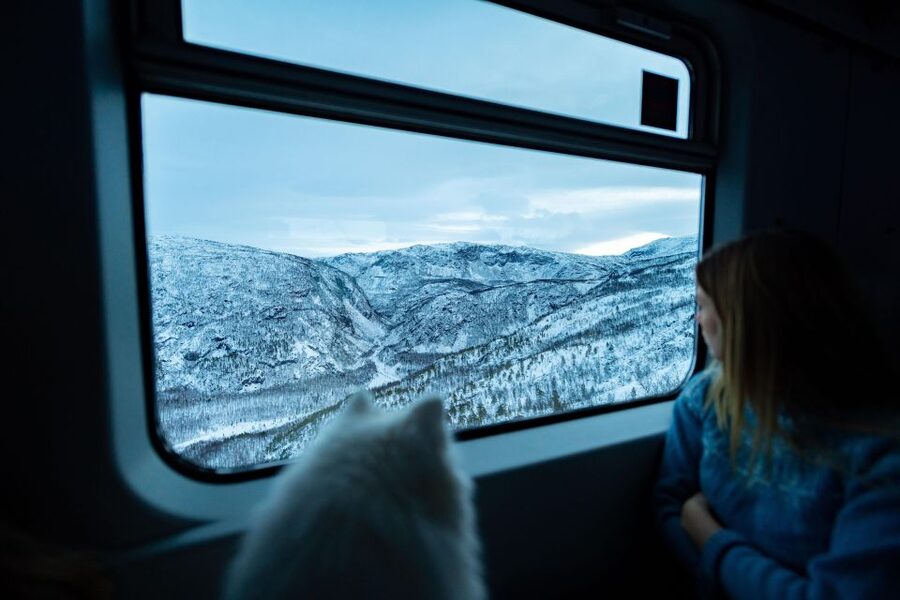
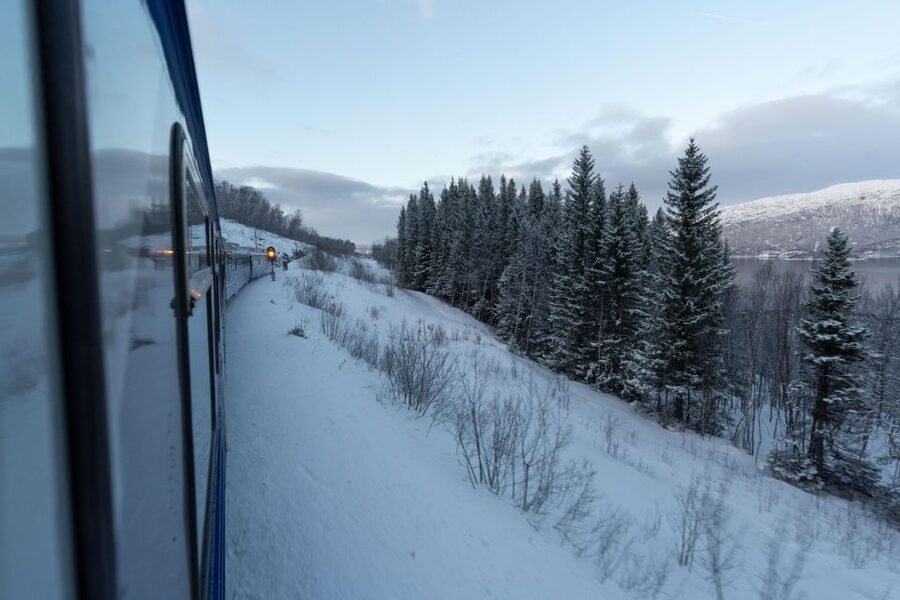
The scenery is the main reason to book this ride. You can expect fjord views near Narvik, steep mountain walls, waterfalls, snowfields, and broad Arctic surroundings as the train climbs toward Bjørnfjell.
The exact view depends heavily on the season and the weather. In winter, the route can look deeply Arctic, with snow covering the slopes and station areas. Some departures have found knee-deep snow at the final stop, while others have dealt with mist that blocked much of the scenery.
That is the honest bargain here: the railway takes you to beautiful country, but it cannot arrange the clouds. Low mist may hide a mountain for most of the ride. On the other hand, snow, changing light, and brief clear patches can make the trip memorable even when the highest peaks stay hidden.
Summer offers longer daylight and easier conditions for seeing the terrain. One August ride reportedly passed through what felt like three seasons in one journey, a useful reminder that northern weather can change quickly. Autumn and spring can bring their own mix of fog, snow, and clear mountain air.
If the view disappears for a while, listen to the history and watch for openings between tunnels and bends. The ride still gives you a clear sense of the railway’s steep route and remote setting.
What happens at Bjørnfjell
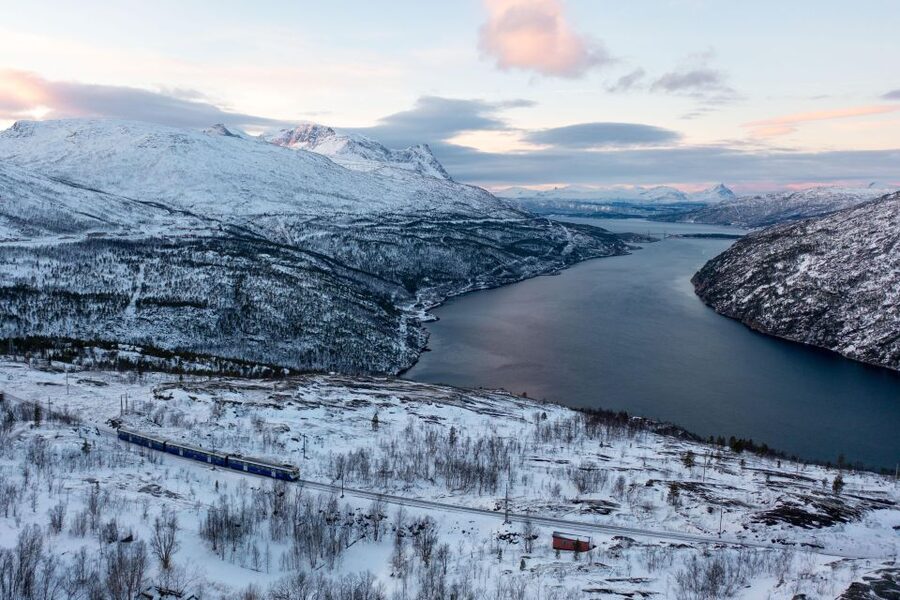
Bjørnfjell is the last stop before the Swedish border. You do not cross into Sweden on this excursion, and the train turns around for the return to Narvik.
The stop gives you a chance to get out, stretch your legs, take photographs, and feel the difference in temperature and setting at higher elevation. In snowy months, this can be the most atmospheric part of the outing. You may find snow around the station and a quiet mountain setting that feels far removed from Narvik.
Do not expect a long town visit or a Swedish border experience. Bjørnfjell is a stopping point on the railway, not a destination with a full program of shops and sights. The value lies in the mountain surroundings and the pause in the journey.
The timing of the stop can vary. Some rides include several chances to leave the train or stop for photographs, while busy cruise-day operations have sometimes shortened the usual pattern of stops. If getting off at every possible point is important to you, check the day’s arrangements before booking.
A few more Norway days worth weighing up
- From Bergen: The Original Fjord Cruise to Mostraumen
★ 4.7 · 8,440 reviews - Tromsø: Reindeer Sledding & Feeding with a Sami Guide
★ 4.8 · 6,417 reviews - Stavanger: Scenic Fjord Cruise to Lysefjord and Preikestolen
★ 4.6 · 5,791 reviews - Oslo: Scenic Fjord Cruise with Audio Guide Commentary
★ 4.5 · 5,375 reviews
The return journey and the best photo strategy
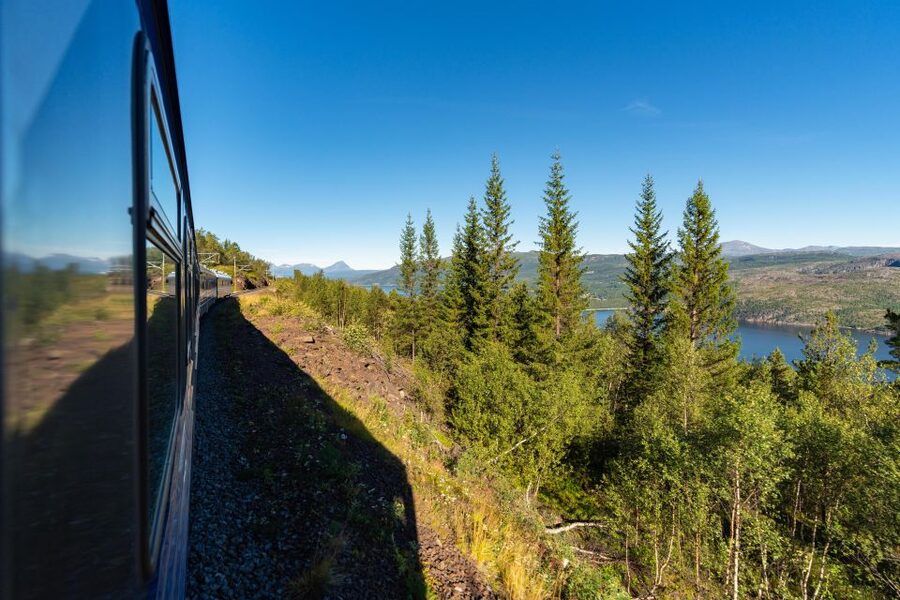
The return to Narvik gives you another view of the same route, but it is not simply a repeat. Looking downhill changes the angle toward the fjord, and scenery that was behind you on the way up now appears ahead.
This is why the request to switch seats can work in your favor. You may lose your preferred side for part of the outward journey, but you get a better chance to see both sides over the complete round trip. The route is scenic enough that I would rather have a return ride than a one-way train trip followed by a bus.
Keep your camera ready near bridges, waterfalls, and open slopes. The train may slow or stop for photographs, but you should not assume that every attractive view will bring a long pause. A phone or camera with a charged battery is useful, since the scenery changes quickly.
The windows are your main viewing point, so glare and seating position matter. If you are serious about photographs, arrive early, sit by a window, and be willing to move when staff ask passengers to change sides.
A railway ride with a World War II story
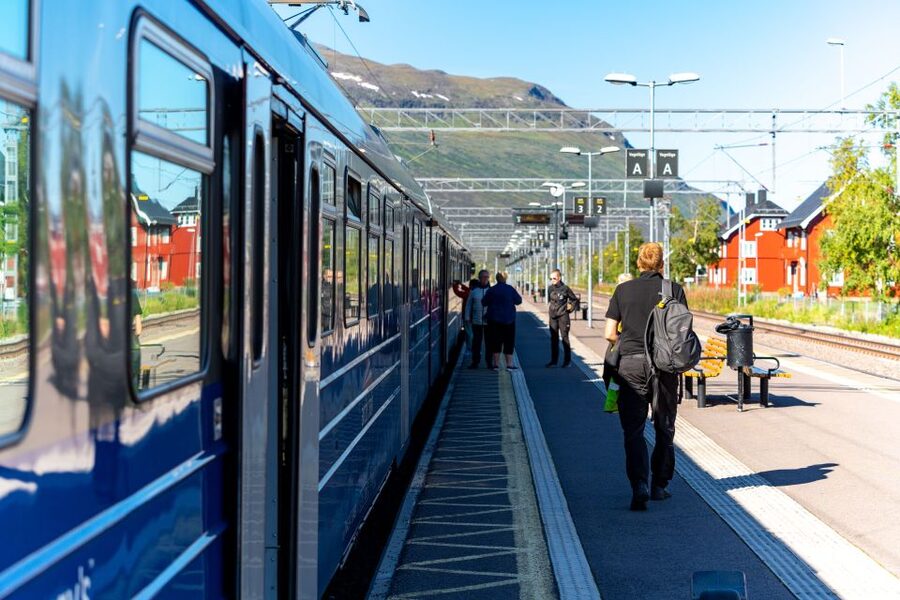
The route’s history adds substance to what could otherwise be a simple scenic excursion. The Ofoten Railway was designed around iron ore, moving supplies from Sweden’s Kiruna mines to Narvik’s ice-free harbor.
That cargo made the line and port strategically important. During World War II, the railway and the iron ore route played a major role in the fighting around Narvik. The audio guide explains the construction of the railway and its importance in the war, giving you useful background while the train moves through the same terrain.
I would not book this for history alone, since the narration can be hard to hear over the train. Some passengers found the recorded commentary clear and informative, while others found the sound blocked by carriage noise. The information is worthwhile, but bring realistic expectations about the audio system.
If the narration is difficult, you can still ask onboard staff questions. The crew has been described as friendly and willing to provide extra information. Announcements and staff help can fill some of the gaps, though the ride is not an escorted walking tour with a guide beside you.
Audio, Wi-Fi, and onboard comfort
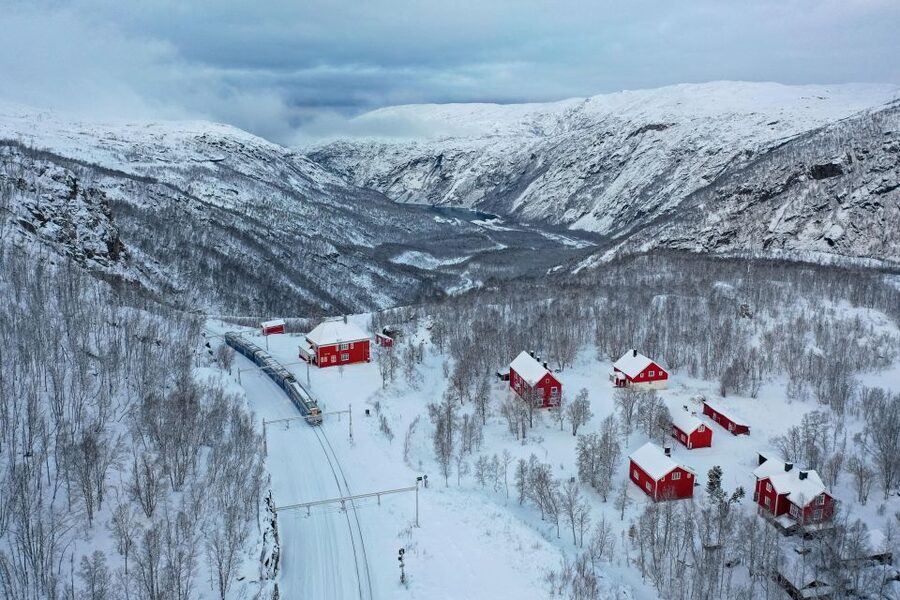
The ticket includes an English audio guide and free Wi-Fi. These features are useful extras, especially on a 2.5-hour ride, but neither should be the only reason you book.
The audio explains the railway’s construction, the iron ore trade, and its World War II role. Use it when the train is quiet and you can hear it clearly. If the carriage becomes noisy, the narration may lose much of its value.
Drinks are available for purchase onboard. Several departures have offered tea, coffee, or water, and some have had self-service hot drinks. A small warning: milk has not always been available, so coffee drinkers may want to plan around that.
Narvik station also has a convenient cafe, useful if you arrive early or want something before departure. The train is described as comfortable, with plenty of seats on some departures. Busy days can change that picture, so early arrival remains the best simple strategy.
Wheelchair access is listed for the activity. If you need a particular boarding arrangement, confirm the details when booking, since the supplied information does not specify the exact accessibility setup at every station or carriage.
Getting from Narvik’s port to the station
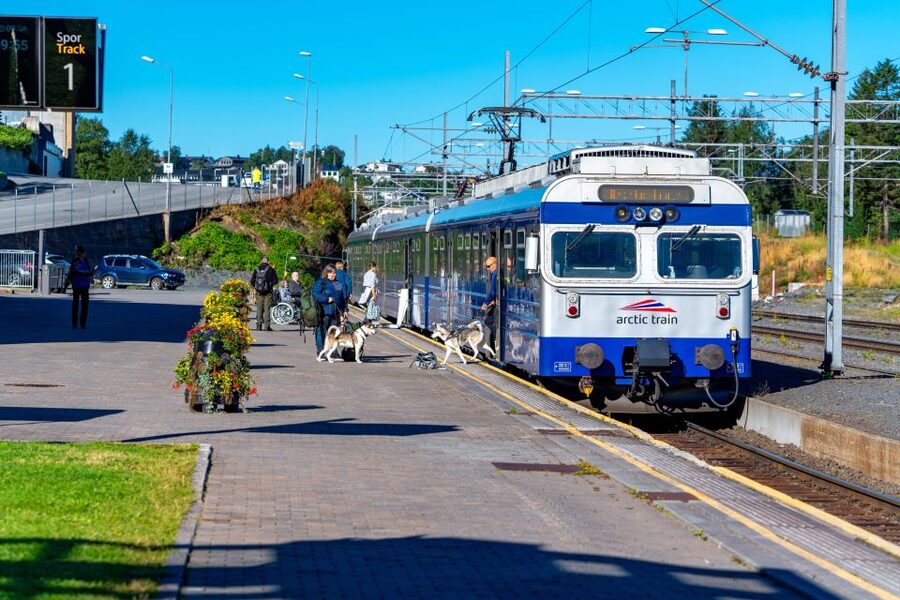
Cruise passengers need to think about the station transfer. The walk from the cruise port is roughly 2 kilometers and can take about 15 to 30 minutes, with an uphill section.
That walk is manageable for many people, but it matters if you have limited mobility, heavy luggage, poor weather, or a tight ship schedule. Taxi availability can be limited when vehicles are serving the airport, so do not assume you can find one at the port.
Cruise lines may offer a coach to the station as part of a more expensive shore excursion. The independent train booking does not include that transfer. You pay less, but you handle the walk and timing yourself.
For an independent visit, I would leave the ship with plenty of time, wear shoes suited to an uphill walk, and check the train departure carefully. The station cafe gives you somewhere to wait once you arrive.
Is $69 a good price?
At $69 per person, the round trip offers solid value for a scenic half-day in Narvik. Your fare includes the return train ticket, English audio guide, and Wi-Fi. You also get access to a route that would be difficult to experience properly on foot or by ordinary local transport.
The value becomes clearer for cruise passengers. A cruise company may sell a similar railway outing for much more, sometimes over £100 per person according to one comparison. The independent option does not provide the cruise coach transfer, but the saving can be substantial if you are comfortable walking to the station.
The price is less attractive if the weather forecast calls for heavy mist and your main goal is panoramic views. That is not a fault in the railway, but it is a real consideration. The historical content and the experience of riding the line still remain, yet the visual payoff can be reduced.
The free cancellation window of 24 hours also helps if your plans are uncertain. You can cancel by then for a full refund, and the reserve-now-pay-later option lets you hold a place without paying immediately.
Who will enjoy this train ride most
I would recommend the Ofoten Railway to you if you want a relaxed way to see Arctic Norway without driving. It suits people who like scenery, railways, industrial history, World War II history, and short outdoor stops.
It is especially useful for:
- Cruise passengers seeking a less expensive alternative to the ship’s excursion
- Visitors with only part of a day in Narvik
- Families or older visitors who prefer sitting to a strenuous mountain activity
- Railway enthusiasts interested in a working iron ore route
- Winter visitors who want snow scenery without arranging a separate tour
You may want to choose another activity if you need a guaranteed clear view, a long visit in Sweden, wildlife sightings, or a full guided tour. Wildlife is not promised, and this excursion does not continue to Riksgränsen or another Swedish destination.
Should you book the Arctic train?
I would book it if you have 2.5 hours in Narvik and the weather offers at least a fair chance of clear mountain views. The combination of fjords, snow, railway engineering, and wartime history gives the ride more substance than a simple scenic loop.
Book early enough to choose a better seat, aim for the left side on the outward journey, and allow extra time to walk from the port. Bring layers, since the temperature at Bjørnfjell can feel very different from Narvik.
The main risk is weather and, on crowded departures, limited window seating. Still, at $69, the round trip is a sensible buy for most visitors who want to see the Ofoten Line without paying cruise-excursion prices.
FAQ
How long is the Arctic train ride?
The round trip takes about 2.5 hours.
Where does the train travel?
The train travels from Narvik to Bjørnfjell, the last stop before the Swedish border, and then returns to Narvik.
Does the train enter Sweden?
No. This round trip ends at Bjørnfjell and does not enter Sweden.
How far does the Ofoten Line run on this trip?
The route covered by this experience is 43 kilometers from Narvik to Bjørnfjell.
Is an audio guide included?
Yes. An English audio guide is included with the train ticket.
Is Wi-Fi available?
Yes. Free Wi-Fi is included onboard.
Are drinks included?
Drinks are not included, but they are available to purchase onboard. Some departures have offered tea, coffee, and water.
Which side of the train has the best views?
The left side generally offers the best views going from Narvik toward Bjørnfjell. Staff may ask passengers to change sides for the return trip.
Is the train wheelchair accessible?
Yes. The activity is listed as wheelchair accessible.
Can I cancel the booking?
Yes. You can cancel up to 24 hours before departure for a full refund. A reserve-now-pay-later option is also available.
Just added around Norway
- Lofoten Winter Panoramic Tour★ 5.0 · 31 reviews
- Lofoten Highlights Photo Tour – Henningsvær & Haukland★ 5.0 · 14 reviews
- Lofoten VIP PRIVATE tour from Svolvaer★ 5.0 · 13 reviews
- Private Full Day Sightseeing Tour from Svolvær to Å★ 5.0 · 12 reviews
- Small Group Luxury Cruise to Trollfjord on a 33m Classic Yacht★ 5.0 · 29 reviews
- Sea Eagle Safari from Svolvær to Trollfjorden★ 5.0 · 124 reviews
- Lofoten RIB Sea Eagle Safari and Trollfjord Cruise★ 5.0 · 69 reviews
- North Lofoten Highlights Photo Tour (Summer)★ 5.0 · 6 reviews
Train Experiences, compared.
Viking Village, Nærøyfjord Cruise & Flåm Railway
Read our review →
Guided tour – Viking Village, Nærøyfjord Cruise and Flåm Railway
Read our review →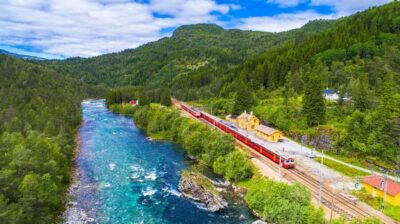
Viking Village, Nærøyfjorden Cruise and Flåm Railway
Read our review →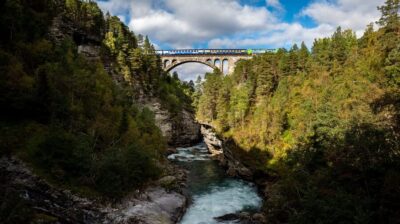
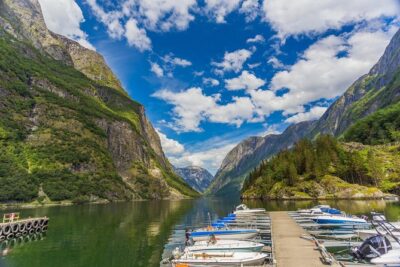
Oslo To Sognefjord Private Full Day Roundtrip Including Flam Railway
Read our review →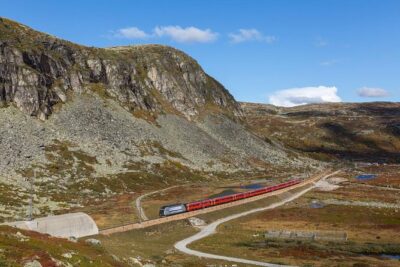
Oslo To Bergen Self-Guided Full Day Trip with Flåm Railway And Fjord Cruise
Read our review →
Private Full-Day Round Trip from Oslo to Sognefjord via Flåm Railway
Read our review →
Browse the lists this tour appears in