
Reviewed · TICKETS
Stockholm: Nordiska Museet Entry Ticket
Nordiska Museet gives you a clear, human-scale way to understand Sweden and its neighbors. Instead of marching through royal portraits and battle dates, you look at ordinary life, from family homes and meals to clothing, climate, belief, and work. The building itself is a memorable sight on Royal Djurgården.
I especially like the huge Nordic Life exhibition and the Arctic section. The first connects people, nature, and climate across time, while the second adds an urgent modern question as the ice melts. The main drawback is that the museum is broad rather than tightly focused, so you may need to choose a few sections instead of trying to read everything.
Key points to know before you go
- Nordic Life is the main draw: Follow everyday life in Sweden and the Nordic countries from the 16th century to the present.
- The Arctic adds a modern edge: Explore how northern environments shape people and communities as the ice changes.
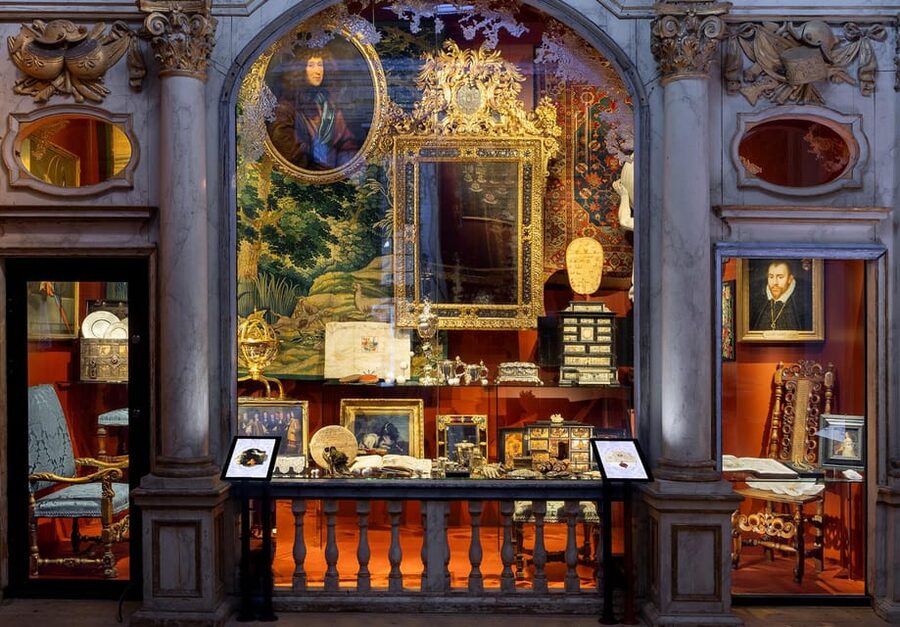
- Small details carry the story: Table settings, homes, clothing, and miniature rooms make cultural history easy to grasp.
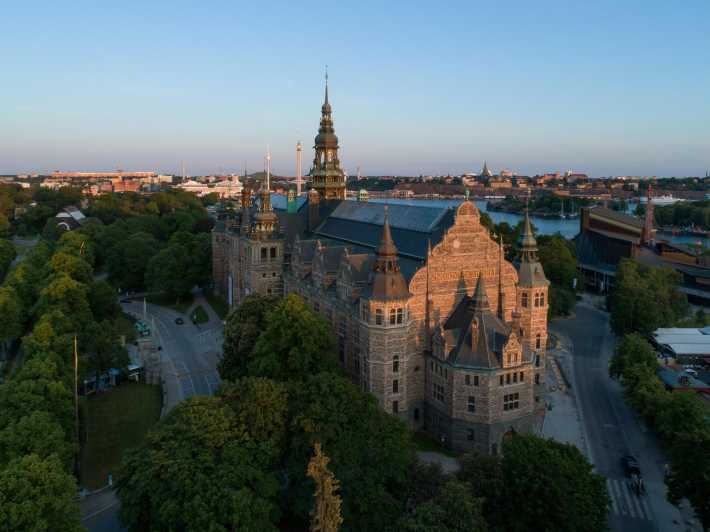
- The building is part of the visit: Nordiska Museet occupies an iconic site in lush Royal Djurgården.
- Plan for a self-guided visit: A guide is not included, but selected audio content is available in Swedish and English.
- Bring your own headphones: Exhibition texts and screens in Nordic Life can also be read on your phone.
Why Nordiska Museet is worth your time
Nordiska Museet is a good choice if you want more than a quick look at Swedish design or royal history. Its subject is the way people actually live. You see the choices behind a home, a meal, a coat, a celebration, or a belief.
The museum covers Sweden and the wider Nordic region from the 16th century to the present day. That long span can sound academic, but the displays keep bringing you back to familiar things. What does a family need at home? How do people use nature? What do they eat together? How do climate and geography affect daily routines?
That approach makes the museum useful early in a Stockholm visit. I like seeing it before exploring more of the city because it gives you cultural reference points. Later, a simple meal, a wooden object, a winter garment, or a particular style of home may make more sense.
The visit is also easy to fit into a day on Djurgården. The ticket is valid for one day, so you are not forced into a short, hurried stop. You can spend several hours inside, take a break for lunch or fika, and return to sections you passed too quickly.
A few more Stockholm days worth weighing up
- Stockholm: City Archipelago Sightseeing Cruise with Guide
★ 4.3 · 10,798 reviews - Stockholm: Skansen Open-Air Museum Admission Ticket
★ 4.5 · 3,427 reviews - Stockholm: Archipelago Boat Tour
★ 4.4 · 3,110 reviews
Entering the grand building on Royal Djurgården
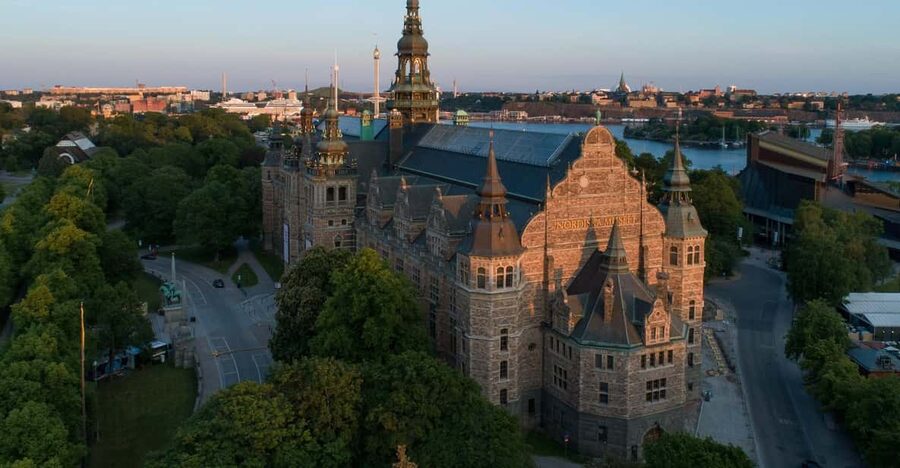
The first experience is the museum building itself. Nordiska Museet occupies an iconic location in Royal Djurgården, one of Stockholm’s main museum and recreation areas. You do not need to treat the architecture as a separate attraction, but it gives the visit a strong sense of place.
Once inside, show your ticket to the entrance staff at the front desk. This is a self-guided admission, not a tour with a named guide or a scheduled group. That freedom is useful if you are building a flexible Stockholm day around several stops.
The museum is wheelchair accessible. Oversize luggage and large bags are not allowed, so pack lightly before arriving. Food and drinks cannot be brought into the museum areas.
The museum is cash-free. You can use a credit or debit card in the shop and restaurant, which keeps payment simple but means cash will not help you here.
Nordic Life explains culture through daily routines
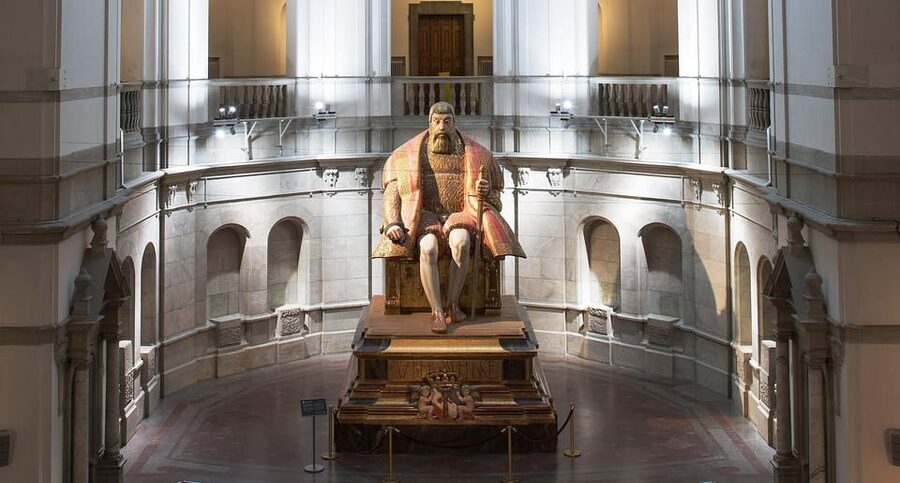
Make Nordic Life your main stop. It is the museum’s largest exhibition and the best place to understand what the visit is trying to do.
The exhibition looks at how Nordic culture and daily life have been shaped and reshaped by interactions between people, nature, and climate. That three-way connection is important. Nordic life is not presented as a fixed national identity. Instead, you see it as something that changes with the environment, technology, family patterns, and contact between people.
You can explore questions about nature and its meaning, the look and function of homes, the makeup of families, and what Nordic people believe in. Those subjects give you a way to compare the past with the present without reducing the story to a timeline.
The real objects are central. Rather than relying only on text panels, the exhibition uses things people made, used, wore, and kept. A household object can show more about daily life than a long political explanation. A room, a garment, or a dining arrangement can reveal social rules and practical needs at the same time.
The exhibition is large, so do not expect to absorb every label in one pass. If you have limited time, start with the themes that interest you most. If you have a full day, return later and read more closely.
Texts and screens in Nordic Life can be read directly on your phone at guide.nordiskamuseet.se. This is a practical help when you want more detail without searching for a printed guide. Selected exhibitions also have audio guides in Swedish and English.
Bring your own headphones if you want to use the audio guide. That small preparation matters because headphones are not listed as provided.
The Arctic connects culture with a changing climate
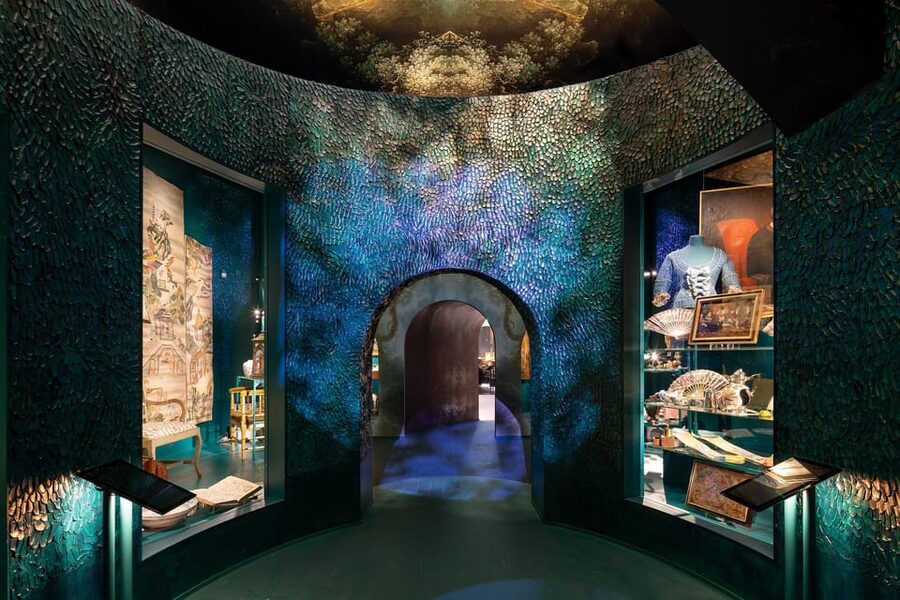
The Arctic section gives the museum a sharper present-day focus. Its subject is not only remote geography. It asks what nature means to people in the far north and how life is affected as the ice melts.
That makes this exhibit a useful companion to Nordic Life. The main exhibition considers people and environment across centuries, while The Arctic points to an ongoing change with consequences for communities, habits, and ways of understanding the natural world.
The section is also a good choice if you want something more focused after the wide scope of Nordic Life. One shortcoming of a large museum is that its themes can blur together. The Arctic offers a clear subject and a different pace.
The available review feedback singled out both the main exhibition and the Arctic area as excellent. That matches the way the museum is organized: Nordic Life gives you breadth, while The Arctic gives you a concentrated look at one of the region’s most important issues.
A different sort of day out, same corner of Stockholm:
- Stockholm: Highlights Boat Tour
★ 4.3 · 2,542 reviews - Stockholm Pass: Save up to 50% – Includes Vasa Museum Ticket
★ 4.1 · 2,392 reviews - Stockholm: Ghost Walk and Historical Tour
★ 4.7 · 2,206 reviews - Walking Tour of Stockholm Old Town
★ 5.0 · 1,175 reviews
Table Settings turns five centuries into a meal
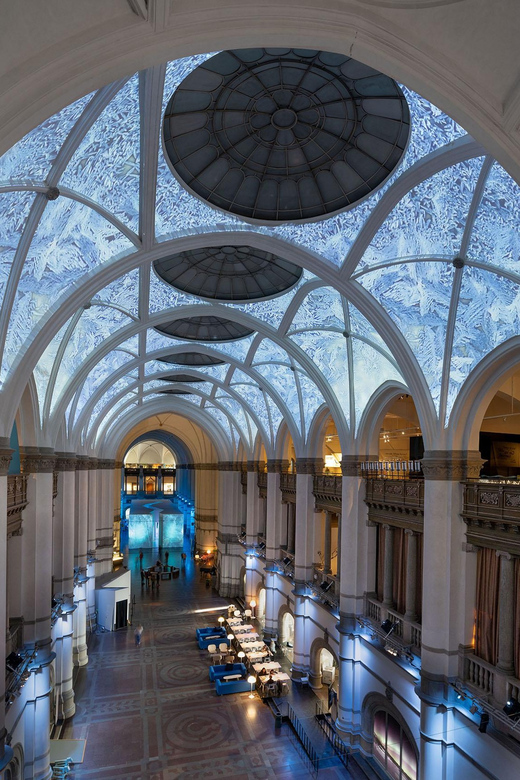
Table Settings examines feasts from five centuries. This is one of the most accessible ideas in the museum because food and table manners are easy to understand, even when the historical context is new to you.
A table can show who sits where, what is considered special, how food is served, and how much effort goes into a celebration. It can also reveal differences between ordinary meals and formal occasions.
You should not rush through this section. Look at the objects as evidence of social life, not just decoration. The arrangement of a table tells you about status, hospitality, household work, and shared customs.
For families, this may be one of the easiest sections to discuss together. Children can start with what they recognize, then notice how much has changed over five centuries. Adults can use the displays to connect dining habits with broader questions about home and society.
The 1940s Flat gives history four walls
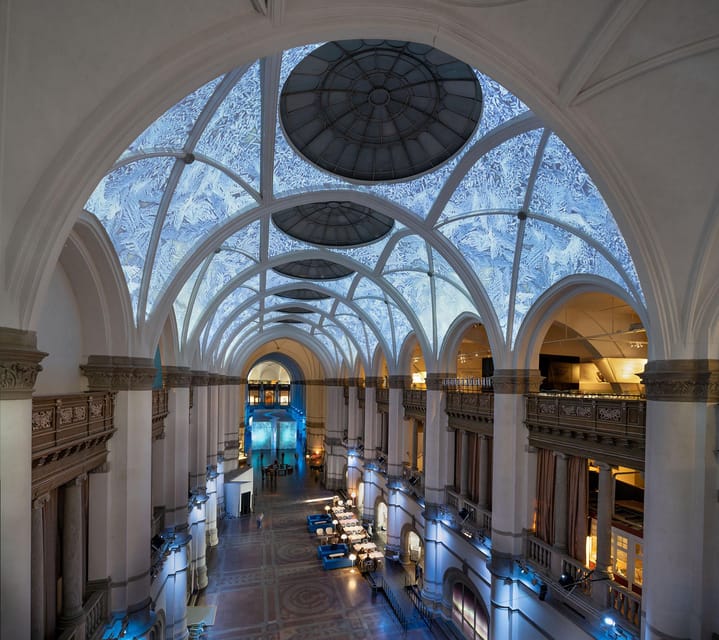
The 1940s Flat presents a home from 1947. A reconstructed or period home can make historical change feel more concrete than a row of isolated objects.
Here, you can think about how people organized a household, what they needed close at hand, and how a home reflected the period. The flat also gives you a break from broad regional themes. You are looking at one domestic setting rather than an entire century of Nordic life.
The limitation is that a single home cannot represent every Swedish or Nordic household. Use it as one example, not a complete picture. Its value lies in making the past practical and visible.
If you enjoy historic interiors, allow extra time here. If your main interest is climate, fashion, or regional culture, it may work better as a shorter stop between larger exhibitions.
Dollhouses shrink eight homes into a simple comparison
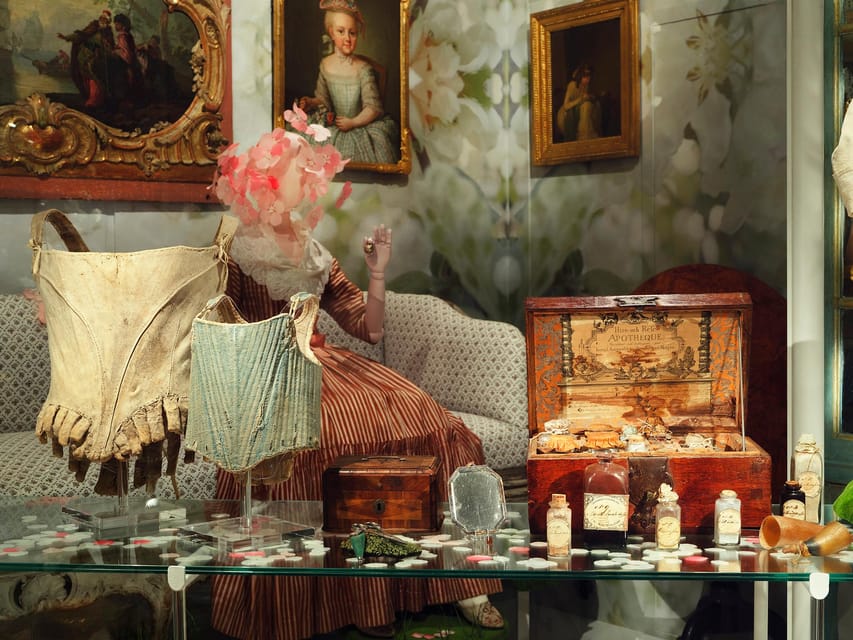
The Dollhouses display presents eight homes in miniature. Small-scale rooms can look playful, but they also let you compare interiors quickly.
You can see how rooms are arranged, how furniture is used, and how ideas about home change from one setting to another. The miniature format makes details easier to compare because the rooms are presented together rather than spread across a full-size building.
This section should work well for families, but it is not only for children. Dollhouses can reveal what a culture thinks a home should contain. They also make it easier to notice the difference between a room designed for work, rest, gathering, or display.
As with The 1940s Flat, avoid treating the eight examples as a complete picture of Nordic housing. Their strength is comparison and visual clarity.
British fashion and Nordic style meet
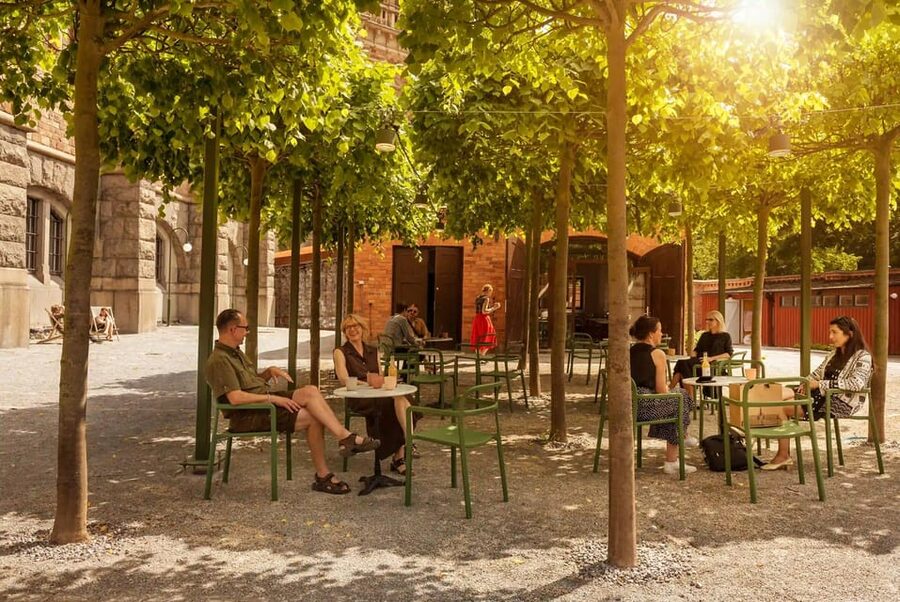
British; Ever so Nordic looks at Nordic fashion and lifestyle through British patterns. The title points to an exchange rather than a sealed-off regional style.
This exhibit is useful if you are interested in clothing, design, or the way outside influences become part of local culture. Nordic identity is not shown as isolated from the rest of Europe. Instead, the exhibition gives you a chance to consider how patterns and ideas are adapted to a Nordic setting.
The section also balances the museum’s historic interiors and household displays with a more visual subject. You may find it especially appealing if you prefer objects with strong color, shape, or design interest.
The museum’s broader strength is that it places clothing beside homes, meals, beliefs, and nature. Fashion becomes part of daily life rather than a separate display of attractive garments.
How much time should you allow?
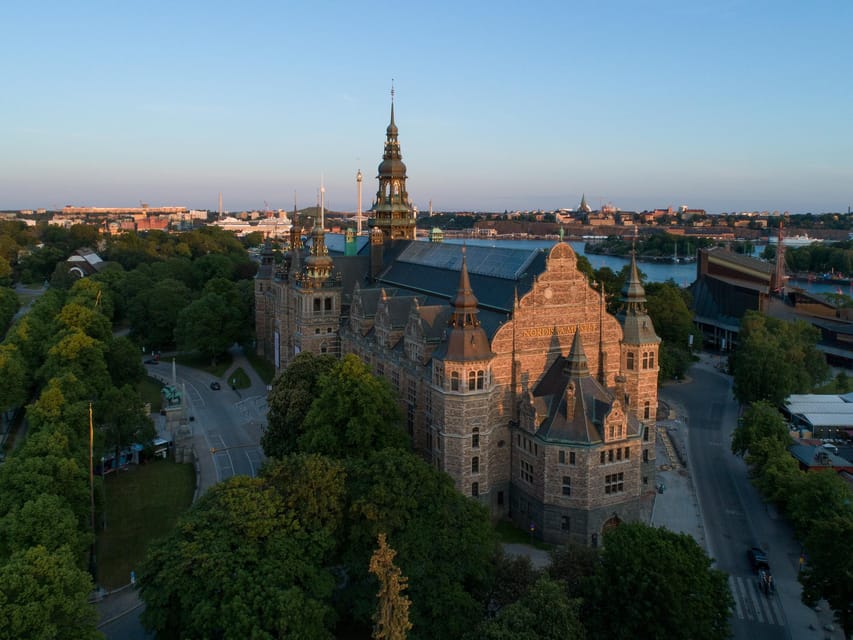
Your ticket is valid for one day, but the right visit length depends on how closely you read. The museum contains enough material for a substantial visit, especially if you use the phone guide and selected audio content.
For a short visit, make Nordic Life your priority, then choose either The Arctic or one of the smaller exhibitions. A longer stop lets you add Table Settings, The 1940s Flat, Dollhouses, and British; Ever so Nordic without treating the museum like a checklist.
I would plan time for a break. The restaurant serves lunch courses every day, and you can also stop for Swedish fika and drinks. That matters because a large museum is easier to enjoy in two portions than in one long march from entrance to exit.
The museum shop is another natural pause. It sells everyday goods and crafts from the Nordic countries. This is more useful than a shop filled only with logo souvenirs if you want a practical object connected to regional design.
No guided tour is included, so your pace is your own. That keeps the ticket simple and flexible, but it also means you need to set your own priorities. The phone guide helps if you want added context.
Is the $19 ticket good value?
At $19 per person, the ticket is fairly priced for a full-day museum visit with several exhibitions. The value is strongest if you plan to spend at least a few hours inside and use more than just the main gallery.
You are paying for access to a wide range of subjects: daily life, climate, homes, food, fashion, and miniature interiors. The breadth makes the ticket more useful for mixed-interest groups, since one person can focus on design while another spends more time with social history or The Arctic.
The value is weaker if you only have time for a very quick stop. Nordiska Museet is not simply a single room with one famous object. Its appeal builds as you move between sections and connect the themes.
The one-day validity gives you room to take a break and return. That makes the ticket more practical than an admission that assumes you will finish everything in one hurried visit.
The overall rating is 4.3 from 253 reviews, and the strongest recent comments point to a compact introduction to history, a large and beautiful collection of cultural objects, and especially strong main and Arctic exhibitions. Those points describe the museum’s best qualities accurately: it offers a broad introduction, but the objects and focused sections keep it from feeling like a textbook.
Who will enjoy this museum most?
You should book this experience if you like museums that explain culture through ordinary things. It suits adults interested in Scandinavian society, families looking for visual displays, and anyone who wants a rainy-day or cooler-weather activity in Stockholm.
It is also a good fit if you are curious about the Nordic countries as a group rather than Sweden alone. The exhibitions connect regional themes with local life, giving you a wider frame for understanding the area.
You may want to skip it if your Stockholm plans allow only a brief indoor stop and you prefer a museum built around one narrow subject. The museum’s range is its strength, but it can also feel wide if you want a tightly plotted visit.
Practical details that make the visit easier
Reserve your place with the option to pay later if you want to keep plans flexible. Free cancellation is available up to 24 hours in advance for a full refund.
Show your ticket at the front desk. No guide is included, so plan to explore independently. Selected audio guides are available in Swedish and English, and you should bring your own headphones.
Leave oversize luggage, large bags, food, and drinks behind. The museum is wheelchair accessible, and all payments in the shop and restaurant are by credit or debit card because the museum is cash-free.
The museum is part of Royal Djurgården’s sustainability partnership. That is a small but relevant point if you are trying to support attractions that take environmental responsibility seriously.
Should you book Nordiska Museet?
Book it if you want a thoughtful look at Nordic life that begins with homes, meals, clothing, nature, and beliefs instead of famous names and grand events. The $19 price makes sense when you give the museum several hours, use Nordic Life as your anchor, and add The Arctic plus two or three smaller displays.
I would not try to conquer every label. Choose your themes, take a fika break, and let the building and objects do some of the work. For a flexible, self-guided museum day on Royal Djurgården, this is a strong choice.
FAQ
Where is Nordiska Museet located?
Nordiska Museet is located in Stockholm County on Royal Djurgården.
How much does admission cost?
The listed price is $19 per person.
How long is the ticket valid?
The ticket is valid for one day.
Is a guide included?
No. The admission ticket includes entry to the museum, but not a guide.
What is the main exhibition?
Nordic Life is the museum’s largest exhibition. It explores daily life and culture in Sweden and the Nordic countries from the 16th century to the present.
Which exhibitions are included?
The ticket includes Nordic Life, The Arctic, Table Settings, British; Ever so Nordic, The 1940s Flat, and Dollhouses.
Is an audio guide available?
An audio guide is available in Swedish and English in selected exhibitions. You should bring your own headphones.
Can I read the Nordic Life information on my phone?
Yes. Exhibition texts and screens in Nordic Life can be read at guide.nordiskamuseet.se.
Is the museum wheelchair accessible?
Yes. Nordiska Museet is wheelchair accessible.
Can I pay with cash at the museum?
No. The museum is cash-free. You can pay by credit or debit card in the museum shop and restaurant.
Just added around Stockholm
- Traditional Persian Cooking Class in Stockholm with a Local★ 5.0 · 20 reviews
- Stockholm Top attractions all-inclusive Gran Tour Winter Edition★ 5.0 · 6 reviews
- Airport Limousine Transfer: Arlanda Airport to Stockholm City 1-7 Passengers★ 4.0 · 5 reviews
- Scandinavian Art, Architecture and Design Tour in Stockholm★ 4.5 · 11 reviews
- Wolf and Wildlife Tracking in Sweden★ 5.0 · 9 reviews
- Walking Tour of Stockholm’s City Center★ 4.5 · 26 reviews
- Stockholm: Sunset Hike in Tyresta National Park with Meal★ 5.0 · 79 reviews
- Private Tour: Swedish History Day Trip to World Heritage Candidate Markim-Orkesta from Stockholm★ 5.0 · 8 reviews
Tickets, compared.

Stockholm Pass: Save up to 50% – Includes Vasa Museum Ticket
Read our review →
Midnight Concert Ticket at the Tromsø Cathedral
Read our review →
24 or 48-Hour Hop-On Hop-Off Sightseeing Bus Ticket
Read our review →
Copenhagen Card – DISCOVER 80+ attractions and public transport
Read our review →


Browse the lists this tour appears in