Reviewed · HISTORICAL TOURS
Oslo City Walks: Historic River Walk
Akerselva gives you a side of Oslo that is easy to miss from the main sights. This two-hour walk follows the river’s change from polluted industrial channel to green urban stream, linking old factories, bridges, parks, and food halls along the way.
I like two things here. First, the route shows Oslo’s past and present in one clean story, rather than treating history as a string of dates. Second, the stop at Mathallen adds a useful taste of modern Oslo. The main drawback is that $52 is a fair but not cheap price for a walking tour, and food at Mathallen is extra.
The guide is the key to the experience. Past feedback highlights a kind, engaged, and capable guide, so you can expect a personal walk rather than a bare-bones transfer between sights. Good shoes matter, and the weather matters even more.
Key points to know before you book
- Akerselva tells Oslo’s industrial story: Follow the river that helped power Norway’s industrialisation.
- The route mixes city and nature: Walk from Grønland through parks, trails, waterfalls, and leafy riverbanks.
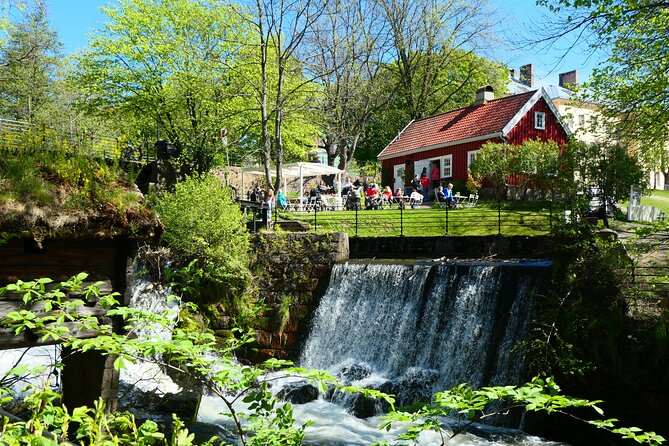
- Beier Bridge has the visual punch: The waterfall gives the walk a memorable natural stop.
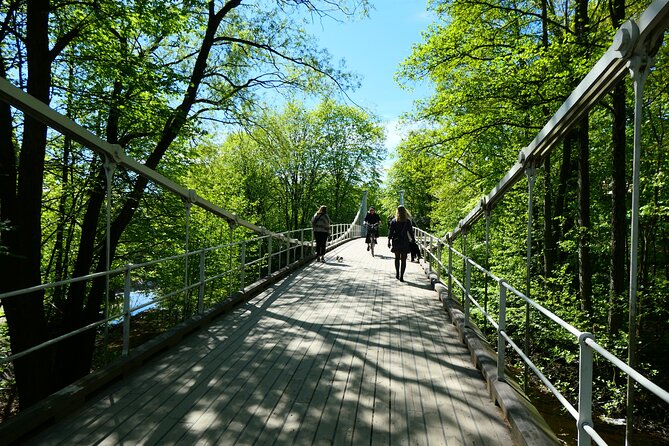
- Fairytale Bridge adds character: This crossing brings a playful touch to a route shaped by work and industry.
- Mathallen is a practical food stop: Browse Norwegian and international specialties, with purchases paid separately.
- The tour is short and focused: Two hours gives you a useful introduction without taking over your day.
Why Akerselva is a smart way to see Oslo
Many first visits to Oslo focus on the center, the waterfront, museums, and royal landmarks. Those places matter, but they do not fully explain how the city grew. Akerselva gives you another piece of the puzzle: a river that connected natural power with workshops, factories, workers, and later environmental repair.
You start at Oslo S, the city’s main railway station, and meet in front of the Oslo Visitor Center inside Østbanehallen. This is a practical meeting point, especially if you are arriving by train or staying near the central station. Arrive 10 minutes early so you are not searching for the guide at the last moment.
The scheduled departure is 14:00, though you should check availability for the date you want. The walk lasts about two hours and is offered in English or Norwegian. No transport is included, but that is not a problem for the main experience: the point is to move through Oslo on foot and notice the shifts in the city around you.
The route begins near Grønland, an area described as once industrial and now used for culture, leisure, and city life. That contrast sets up the whole walk. Instead of seeing Oslo as a polished capital with a few old buildings, you get to see how working areas can change use while keeping traces of their earlier purpose.
More City Tours in Norway
- Oslo: City Sightseeing Hop-On Hop-Off Bus Tour
★ 3.6 · 724 reviews - Oslo: Grand City Sightseeing Tour by Bus with Fjord Cruise
★ 4.6 · 647 reviews - Oslo Combo Tour: Grand City Tour and Oslo Fjord Cruise
★ 4.5 · 555 reviews
From Grønland to the river’s working past
Grønland is an effective starting point because it places the river story in an urban setting. You are not beginning in a quiet countryside scene. You are beginning in a part of Oslo shaped by industry and later adapted for a new generation of city life.
Your guide explains how Akerselva supported Norway’s industrial growth. The river supplied water power and helped form the city’s working identity. The value of this part of the walk is not simply seeing old structures. It is understanding why factories and work sites developed beside the water, and why the river became so important to Oslo’s growth.
The tour’s pace should suit people who want explanation without a full-day commitment. You will walk through a changing mix of streets, paths, and green areas. The route is scenic, but it is also a lesson in how urban planning and environmental work affect daily life.
I especially like that the story includes the river’s environmental decline and recovery. Akerselva was once polluted, then extensive environmental work helped return it to a living ecosystem with plant and animal life. That gives the walk a useful present-day point. You are not only looking backward at factories. You are seeing how a city can repair a damaged natural feature and make it part of public life again.
Green paths along Oslo’s urban river
As the walk follows Akerselva, the setting becomes calmer. Parks and nature trails run along the river, giving you a break from central Oslo’s traffic and hard surfaces. You get the feeling of a green corridor running through the capital.
This is one reason the tour works well for a first visit. You see a side of Oslo that is neither a formal museum nor a standard sightseeing street. The river gives the guide a natural thread to follow, and the scenery changes without requiring a bus or tram ride.
Expect a route that combines city walking with paths beside the water. The exact ground conditions and walking pace are not specified, so sensible footwear is important. The tour operator specifically recommends good walking shoes and weather-appropriate clothing. Oslo weather can change, and there is no promise of shelter along every part of the route.
The nature element also keeps the history from becoming dry. A bridge or waterfall gives you something to look at while the guide explains what happened nearby. That balance is useful if you enjoy history but do not want to spend two hours standing in front of buildings.
Beier Bridge and the waterfall
The waterfall at Beier Bridge is one of the route’s clearest visual highlights. It gives the walk a strong pause point and helps you understand why the river was useful to industry. Water is not just scenery here. It is part of the story.
A waterfall also makes the route feel more varied than a simple riverside stroll. You move from built-up areas into greenery, then reach a place where the force of the river becomes easy to see. Your guide can connect that physical feature with the wider history of Akerselva and the industries that grew around it.
This is also a good place to keep your camera ready, though the tour is not presented as a photography outing. The appeal is the combination of sound, movement, and setting. You can pause for the view while still learning why the river mattered.
The main limitation is that the tour description does not provide a full stop-by-stop timetable. You should not expect a long, separate visit at every point. The route is designed as a continuous walk, so the guide’s storytelling and the group’s pace shape how long you spend at Beier Bridge.
More City Tours in Oslo
- City Sightseeing Oslo Hop-On Hop-Off Bus Tour
★ 3.0 · 455 reviews - Oslo: City Highlights Walking Tour
★ 4.8 · 197 reviews - Oslo City Highlights with Fjord Cruise
★ 4.5 · 128 reviews - Oslo Shore Excursion: City Sightseeing Oslo Hop-On Hop-Off Bus Tour
★ 3.0 · 121 reviews
Crossing Fairytale Bridge
Fairytale Bridge adds a lighter note to the industrial story. Its name suggests a more playful side of the route, and crossing it helps break up the heavier discussion of pollution, factories, and urban change.
The bridge is a good example of how this walk mixes different versions of Oslo. On one side, Akerselva represents work, machinery, and industrial growth. On the other, it is a place for parks, paths, views, and casual city recreation. You are seeing those uses overlap rather than being separated into different parts of town.
For me, this is the kind of detail that makes a walking tour worthwhile. You can find a river on a map by yourself. You can also cross a bridge without help. But a guide can explain why that bridge, that riverbank, and that stretch of water matter together.
If you prefer a fast checklist of famous sights, this may feel too local. There is no indication that the walk focuses on Oslo’s major landmark interiors or includes museum admission. Its appeal is the setting and the story, not a long list of headline attractions.
Mathallen, Oslo’s food destination
The stop at Mathallen brings the route into modern Oslo. This food destination offers Norwegian and international delicacies, giving you a chance to see what the city eats and sells today.
Food is not included in the $52 price, so think of Mathallen as an opportunity rather than a meal package. You can browse the stalls and decide for yourself if you want a snack, a drink, or a more substantial bite. Since the tour description does not specify a tasting, do not book expecting included samples.
I like this stop because it makes the tour useful beyond sightseeing. Mathallen can help you identify foods you may want to try later, and it gives the industrial-to-modern story a final, everyday expression. Old working areas often change into food and culture districts, and Mathallen lets you see that shift in practice.
Still, budget for your own purchases. The tour price covers the walk with the authorized Oslo guide, not food or transportation. If you are trying to keep spending low, you can simply explore the food hall without buying much. If you are hungry after the walk, leave room in your budget for a Norwegian specialty or an international dish.
What $52 buys you
At $52 per person, this tour sits above the price of a self-guided stroll and below the cost of many longer guided excursions. The value depends on how much you want context. You can walk along Akerselva without paying, but you would need to research the river’s industrial role, environmental problems, bridges, and changing neighborhoods on your own.
The guide is the main reason to pay. A strong guide turns separate sights into one connected story. The best feedback about this experience points to a guide who is kind, engaged, and capable, and that matters on a short tour. With only two hours, clear storytelling can make the difference between a pleasant walk and a useful introduction to Oslo.
The price is easier to justify if you are visiting Oslo for the first time, enjoy local history, or want to see more than the central sights. It is less compelling if you already know Akerselva well or prefer to set your own pace. You also need to add any food purchases at Mathallen.
Because transport is not included, plan your own way to and from the meeting point. The central location at Oslo S makes the start straightforward, but the provided information does not specify the final endpoint or onward transport. Ask the guide at the start if you need help planning the next part of your day.
Who will enjoy this walk most
I would choose this tour for visitors who want a gentle introduction to Oslo’s working past and natural side. It suits people who like city history, bridges, public spaces, and food markets more than grand interiors or formal museum visits.
It is also a good choice for a spare afternoon. Two hours is long enough to add substance to your Oslo stay without using an entire day. The 14:00 start can fit around a morning museum visit or a relaxed lunch, though you should confirm the current departure time when booking.
The tour may suit families and mixed-interest groups because the route keeps changing. A waterfall, a bridge, greenery, and a food hall offer more variety than a lecture in one location. Still, everyone should be ready for continuous walking. The operator recommends good walking shoes, and the weather can affect your comfort.
I would be more cautious if you need a fully accessible route, since no accessibility details are provided. Contact the provider before booking if surface conditions, slopes, or walking distance are important to you.
Practical advice for a better afternoon
Meet in front of the Oslo Visitor Center inside Østbanehallen at Jernbanetorget 1, 0154 Oslo. Since the station complex can be busy, arriving 10 minutes early gives you time to find the correct entrance and locate the guide.
Wear shoes made for walking, not just stylish city footwear. Dress for the weather, and bring a layer if the afternoon is cool. The route includes nature trails and riverside paths, so comfort will affect how much attention you can give to the guide.
Bring a little money or a payment method for Mathallen. Food is not included, and the stop is meant for browsing the selection of Norwegian and international foods. You can choose how much or how little to spend.
The tour is live and available in English or Norwegian. There is no guide name supplied in the booking information, so do not plan around a particular person. The important point is that the walk is led by an authorized Oslo guide, with the guide’s ability to connect the stops playing a large role in the experience.
Cancellation is flexible if your plans shift: you can cancel up to 24 hours ahead for a full refund. You can also reserve now and pay later, which is useful when your Oslo schedule is still taking shape.
Should you book the Historic River Walk?
Book it if you want Oslo explained through one river rather than reduced to a list of famous sights. You will get greenery, a waterfall, Fairytale Bridge, an industrial story, environmental change, and a stop at Mathallen in two focused hours.
Skip it if you want major museum visits, included food, or a tour built around Oslo’s most famous landmarks. The $52 price is not a bargain for a simple walk, but it is reasonable if the guide gives you the local context you would otherwise have to build yourself.
For most first-time visitors with an interest in everyday Oslo, I think the route earns its place in the schedule. Go prepared for weather, arrive early, and save a little extra for Mathallen.
FAQ
Where does the Historic River Walk meet?
Meet your guide in front of the Oslo Visitor Center inside Østbanehallen at Jernbanetorget 1, 0154 Oslo.
How long does the tour last?
The walk lasts approximately two hours.
What time does the tour start?
The scheduled tour starts at 14:00. Check availability for the date you want because starting times should be confirmed when booking.
Which languages are available?
The live guide is available in English and Norwegian.
What does the price include?
The $52 price includes the walk with an authorized Oslo guide.
Is food included?
No. Food is not included, including purchases at Mathallen.
Is transportation included?
No. Transportation is not included.
What should I wear?
Wear good walking shoes and dress according to the weather.
How early should I arrive?
Arrive at the meeting point 10 minutes before departure.
Can I cancel for a full refund?
Yes. You can cancel up to 24 hours in advance for a full refund. You can also reserve now and pay later.
More Historical Tours in Oslo
- A Well Balanced History and Food Tour with Focus on the Scandinavian Kitchen
★ 4.5 · 29 reviews - Myths and Legends: An Oslo Walking Discovery
★ 5.0 · 21 reviews - Myth and Legends Oslo Walking Tour
★ 4.7 · 20 reviews - Jewish Heritage Tour in Oslo
★ 5.0 · 16 reviews
More Historical Tours in Norway
- Oslo: Historic Myths & Legends Evening Walking Tour
★ 4.8 · 408 reviews - Unknown war. Oslo and Norway during 1940-45
★ 5.0 · 74 reviews - Oslo: History, Art and Secrets Tour
★ 4.7 · 62 reviews - Oslo City Walks – Historic River Walk
★ 5.0 · 31 reviews
Just added around Oslo
- Oslo Winter Highlights Bike Tour★ 5.0 · 36 reviews
- Unknown war. Oslo and Norway during 1940-45★ 5.0 · 74 reviews
- The Viking Planet Museum – Mini Group (4 adults)★ 4.0 · 16 reviews
- 4 hours Best View of the Oslofjord Winter Edition★ 4.0 · 15 reviews
- The Ultimate Norwegian Skiing Experience★ 5.0 · 16 reviews
- The Ultimate Study of the Human Form at Vigeland’s Sculpture Park with a Local★ 4.0 · 14 reviews
- The Viking Planet Museum Ticket★ 4.0 · 197 reviews
- The Oslo Beer Adventure★ 4.5 · 11 reviews
Historical Tours, compared.

Reindeer Camp and Sami Cultural Tour with Lunch
Read our review →
The Original Stockholm Ghost Walk and Historical Tour – Gamla Stan
Read our review →

Viking History, Runes & Countryside 9h Tour to Sigtuna & Uppsala
Read our review →