
Reviewed · HISTORICAL TOURS
Oslo: History, Art and Secrets Tour
Oslo’s story becomes most interesting when you hear how often fire reshaped the city. This walking tour connects medieval beginnings, royal streets, waterfront redevelopment, art, and modern architecture while explaining how Oslo rose again after repeated fires. I like the downhill route from the Royal Palace and the chance to enter the Opera House, rather than simply viewing it from outside.
I also like the small groups of no more than 10 people, which make it easier to ask questions and hear the guide in busy areas. Guides such as Anders, Radu, Magnus, Luis, and Michael bring different strengths, from architecture and history to restaurant advice. The main drawback is the pace and length: three to four hours on foot, with no good fit for wheelchair users or people with mobility impairments.
Key points to know before booking
- The route links Oslo’s main sights: You move from the Royal Palace and Karl Johans Street to the harbor, fortress, Opera House, and Munch Museum.
- Fire shaped the city: Stories about repeated destruction help explain Oslo’s changing streets and architecture.
- The group is capped at 10: This gives you a better chance to ask questions and keep up with the guide.
- The tour includes the Opera House: You can go inside during the visit, while museum entry fees are not included.
- Views are part of the experience: Bring a camera for harbor, fjord, and city viewpoints.
- Guides add practical help: Anders has offered restaurant suggestions and helped slower walkers stay included, while other guides have focused on architecture, local stories, and hidden corners.
Why Oslo’s fires make this walking tour worthwhile
Many city walks simply point at attractive buildings. This one aims to explain why Oslo looks the way it does. The story of repeated fires gives the tour a useful thread: destruction forced the city to move, rebuild, alter its streets, and rethink its architecture.
You start near the Royal Palace, then work downhill toward the harbor. That direction matters. It keeps the route fairly easy to follow and lets the city unfold in stages, from royal Oslo to commercial streets, waterfront districts, old defenses, and newer cultural buildings.
I like this kind of introduction because you get context before entering museums on your own. You can later look at a building and understand more than its shape. The guide may also add small stories and local anecdotes that are hard to find in a standard guidebook.
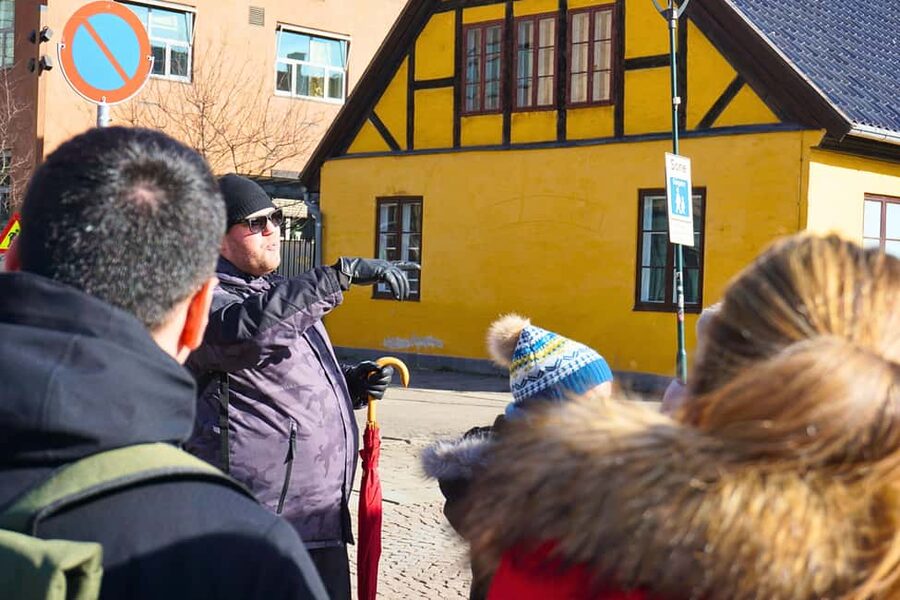
The tone is not purely academic. Anders, for example, has been praised for mixing serious history with humor and for answering questions at a pace that suits the group. Other guides, including Michael and Radu, have focused on architecture and the city’s main sights. The exact guide depends on the date and language you book.
More Historical Tours in Norway
- Oslo: Historic Myths & Legends Evening Walking Tour
★ 4.8 · 408 reviews - Unknown war. Oslo and Norway during 1940-45
★ 5.0 · 74 reviews - Oslo City Walks – Historic River Walk
★ 5.0 · 31 reviews
From the Royal Palace to Aker Brygge
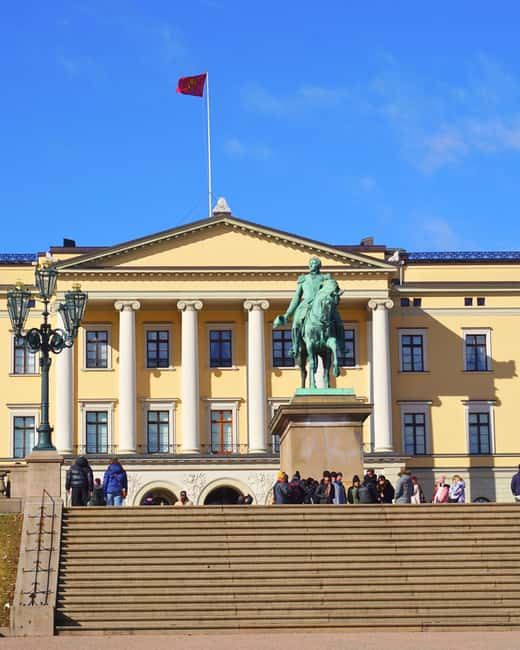
The meeting point is at the Royal Palace or Slottsparken, depending on the option you select. This is a sensible starting place because the palace gives you an immediate introduction to Oslo’s royal and civic character.
From there, the walk heads downhill through scenic streets toward Aker Brygge. The route is not just a march between monuments. Your guide explains how the city developed and points out details along the way, with stops for views and photographs.
Aker Brygge brings you to Oslo’s modern harbor side. You get a change of mood from the formal palace district, with water, open views, and a more recent urban setting. It is also a useful place to understand how Oslo has turned parts of its waterfront toward public life, restaurants, and city views.
The listed walking time here is about 10 minutes, but the full tour includes explanations and stops. Bring water, especially if you are visiting in warm weather. Comfortable shoes matter more than stylish ones.
City Hall and Karl Johans Street
At Oslo City Hall, you have a photo stop and a guided explanation lasting about 10 minutes. City Hall is one of the tour’s strongest places for connecting public art, government, and the city’s identity.
You should expect time to look, take pictures, and ask questions rather than a long indoor visit. The tour does not include general museum admissions, so think of this as an outside introduction and orientation.
The walk continues along Karl Johans Street, Oslo’s best-known central avenue. This section lasts about 15 minutes and helps connect the Royal Palace with the heart of the city. It is a good place to notice how the capital’s grand civic spaces fit together.
The guide’s stories are especially useful here because a broad avenue can seem self-explanatory at first glance. Ask about the city’s changes, fires, and rebuilding. That is where the route becomes more than a checklist of buildings.
Oslo Central Station and the city’s changing center
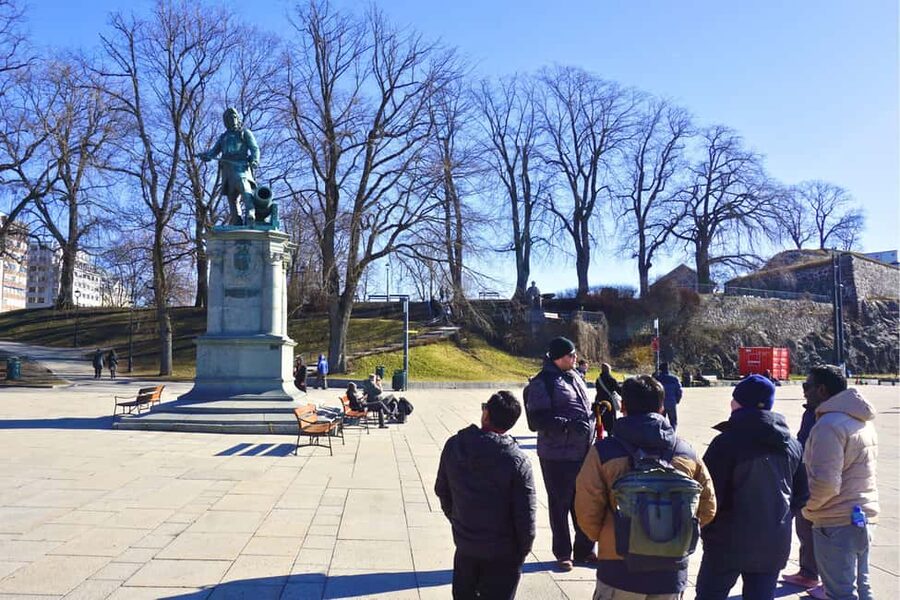
Oslo Central Station is another photo and sightseeing stop, with around 15 minutes set aside. The station area gives you a practical sense of the city’s movement and modern center.
This is also one of the possible end points, so pay attention to the final arrangements if you need to catch a train afterward. The tour may return to Oslo Central Station, The Broker, or the Royal Palace.
The station stop works well in a first-day tour because it helps you understand where central Oslo sits in relation to the palace, harbor, and cultural district. You can also use the guide’s advice to plan what to do after the walk.
Several people who joined the walk found the guide’s local recommendations useful, especially suggestions for Norwegian food and restaurants at different budgets. One guide was also a professional chef, so you may get particularly practical food advice, though this should not be treated as a guaranteed part of every departure.
More Historical Tours in Oslo
- A Well Balanced History and Food Tour with Focus on the Scandinavian Kitchen
★ 4.5 · 29 reviews - Myths and Legends: An Oslo Walking Discovery
★ 5.0 · 21 reviews - Myth and Legends Oslo Walking Tour
★ 4.7 · 20 reviews - Jewish Heritage Tour in Oslo
★ 5.0 · 16 reviews
Akershus Fortress and Oslo’s older story
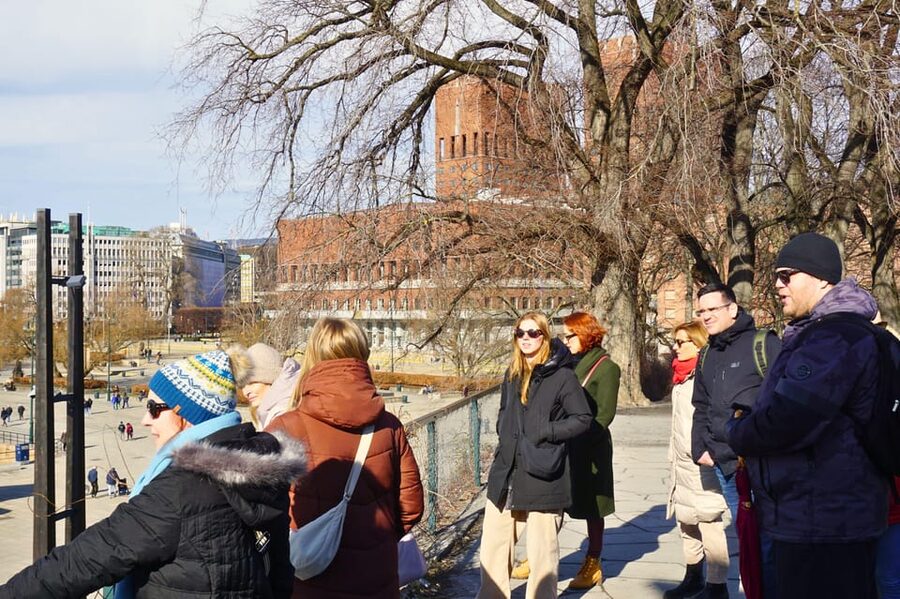
Akershus Fortress is the tour’s major historical anchor. You stop for photographs, hear about the site, and walk through the area for roughly 15 minutes.
The fortress adds age and weight to a city that can otherwise feel very modern. It helps place Oslo’s medieval beginnings alongside the newer harbor and cultural buildings. The guide’s job here is to connect the walls and views with the larger story of the city.
This is also one of the best points for photographs. The elevated position gives you attractive views toward the water and nearby parts of Oslo. If you enjoy taking pictures, keep your camera ready rather than packing it away between stops.
The route is not suitable for wheelchair users or people with mobility impairments. Even without a major climb, a walking tour through historic areas can involve uneven surfaces, slopes, and extended time on your feet. If you have concerns, contact the provider before booking.
Oslo Stock Exchange and the waterfront connection
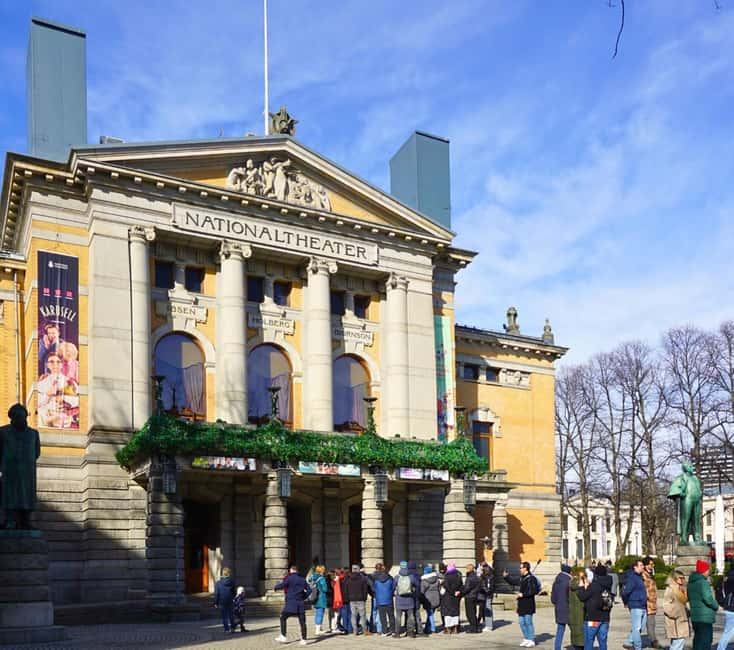
The Oslo Stock Exchange is another guided sightseeing and photo stop of about 15 minutes. On its own, it may not be the first building you would choose to visit, but it gives the guide a chance to explain the city’s commercial side.
This stop helps balance the tour. You are not seeing only royal buildings, historic defenses, and museums. You also get a look at the institutions that helped Oslo function as a trading and business center.
The route’s value comes from these contrasts. Within a few hours, you see royal, civic, commercial, military, cultural, and waterfront Oslo. That broad mix is useful if you have limited time in the city and want a clear first orientation.
Entering the Oslo Opera House
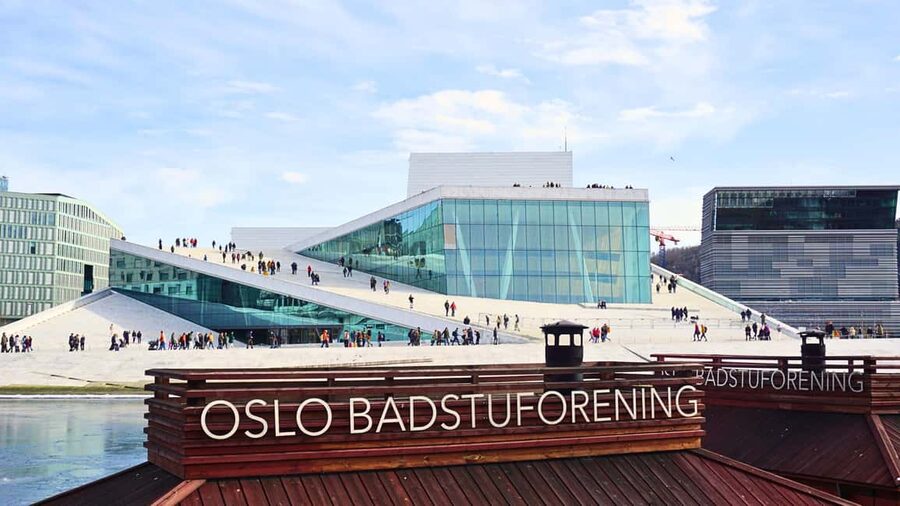
The Opera House is one of the most memorable stops. You have about 15 minutes for a break, photographs, a visit, and guided commentary, and entry to the Opera House is included.
This is an important distinction. The tour does not simply point toward the building from a distance. You can go inside, take in the design, and hear how the structure fits Oslo’s modern cultural identity.
The Opera House also offers strong photo opportunities. Bring a camera, but allow yourself time to look beyond the usual postcard view. The change from Akershus Fortress to this contemporary building makes the city’s different eras easy to compare.
The break is welcome at this point in a three-hour walk. Still, it is not a long rest period, so do not expect a full meal stop. Water is recommended, and you should dress for the weather.
The Munch Museum and Oslo’s art scene
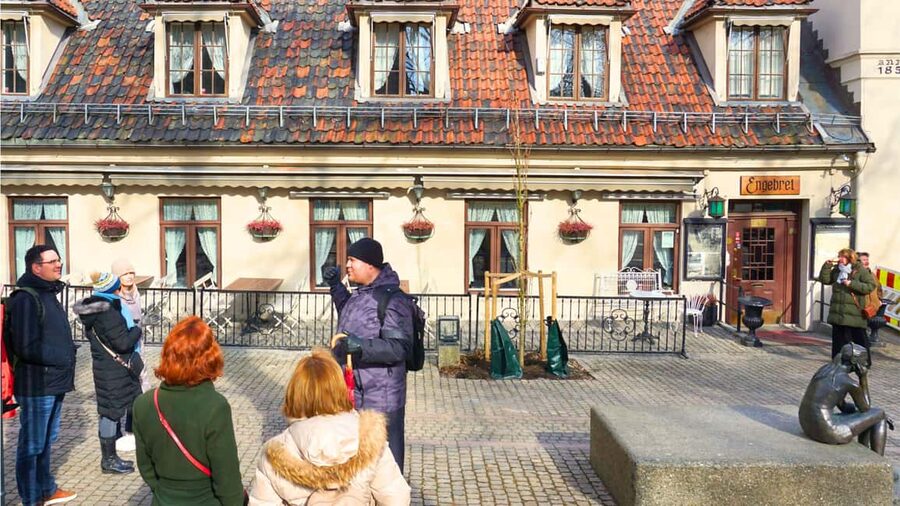
The Munch Museum is the final major sightseeing stop listed on the route. You stop for photographs and guided commentary, with around 15 minutes allocated.
The tour does not include museum admission tickets. That means you should not book this walk expecting a full museum visit or a close look at the collection. Instead, you get an introduction to the building, its place in Oslo’s art scene, and the option to return later if you want more time.
This arrangement can be a good use of your first day. The guide gives you orientation, then you decide if the museum deserves a separate visit. Art lovers may want to plan extra time elsewhere, while people with only a short stay can still see the building and hear some context without committing to a longer indoor stop.
What the small group changes
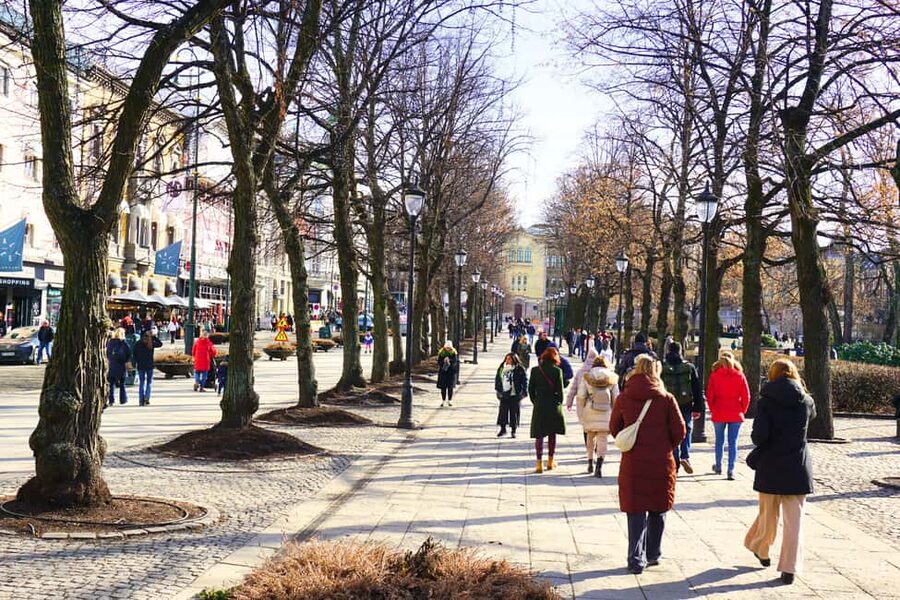
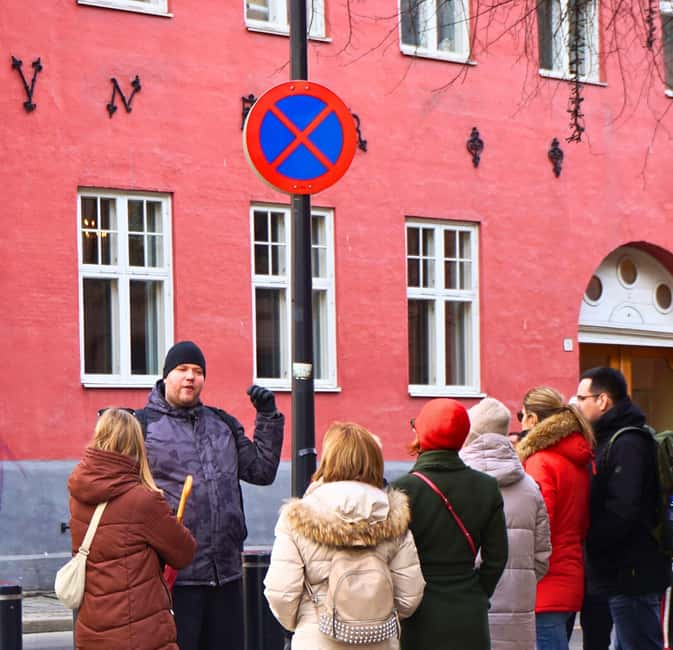
The group limit is 10 people, which is a real benefit for a walking tour. You can usually hear explanations better than in a large crowd, and it is easier to ask about a building, a restaurant, or a practical question about Oslo.
The guides have also made room for different walking speeds. Anders, in particular, has been praised for allowing slower walkers time to keep up and for making sure people could hear the explanations. That does not remove the need for comfortable shoes, but it suggests a considerate pace rather than a forced march.
Guides named in the feedback include Anders, Michael, Radu, Magnus, and Luis. Their strengths vary. Anders has offered history, humor, food advice, and help with photographs. Michael has focused on architecture and history. Radu has covered many of the main sights, while Magnus has led a relaxed walk. Your experience will depend partly on the guide assigned to your departure.
The available languages are English, German, Spanish, and Italian. Check your selected time carefully so you book the language you want.
Is $41 a fair price?
At $41 per person, the tour is reasonably priced if you want a guided introduction to central Oslo rather than a single-site visit. You receive three to four hours with a local guide, a small group, major landmarks, viewpoint stops, and entry to the Opera House.
The value is strongest for a first day in Oslo. You cover a large area without arranging separate directions, and you can use the guide’s tips to choose restaurants, museums, and later walks. The price also makes sense if you prefer stories and context to simply taking photographs on your own.
It is less useful if you already know central Oslo well, dislike walking for several hours, or mainly want extended time inside museums. Museum tickets are extra, and the stops are usually introductions rather than full visits.
Free cancellation up to 24 hours before the start gives you some flexibility. You can also reserve now and pay later, which helps if your schedule is still changing.
Practical advice for a better walk
Wear comfortable shoes and weather-appropriate clothing. Oslo’s conditions can change, and this is an outdoor experience with several hours of walking.
Bring water and a camera. The route includes viewpoints at the harbor, fortress, and central city, and the guide may be willing to take photographs if you are traveling alone.
Plan the tour early in your stay if possible. You will see enough of Oslo to decide where to return, and the restaurant suggestions can help with later meals. The walk ends at the meeting point area, with possible drop-off points at Oslo Central Station, The Broker, or the Royal Palace.
Because the start point can vary by booking option, check your confirmation before setting out. Do not assume every departure begins at exactly the same place.
Who should book this Oslo walking tour?
I would choose this tour for a first visit, a short city break, or a stopover when you want the main sights explained in one stretch. It suits people who enjoy local stories, architecture, city views, and a guide who can answer questions rather than just recite dates.
It is also a good choice for solo visitors. A small group makes it easier to meet others, and the guide may help with photographs and practical advice.
I would skip it if you need step-free access, cannot comfortably walk for three to four hours, or want long indoor visits at the Munch Museum and other cultural sites. In that case, separate museum visits and shorter outings will give you more control.
Should you book it?
Book the Oslo: History, Art and Secrets Tour if you want a lively first look at the capital, with the added benefit of local stories about fires, rebuilding, architecture, and food. The combination of the Royal Palace, Akershus Fortress, Opera House, waterfront, and Munch Museum gives you a useful cross-section of Oslo in one morning or afternoon.
The best reason to book is the small-group format and the range of stops. The main caution is simple: this is a serious walking tour, not a gentle ride through town. Bring good shoes, allow three to four hours, and expect museum exteriors and introductions rather than included museum admissions.
FAQ
How long does the Oslo History, Art and Secrets Tour last?
The tour lasts about 3 to 4 hours. Starting times depend on availability when you book.
Where does the tour start?
There are two possible starting location options at the Royal Palace or Slottsparken. The exact meeting point can vary according to the option booked.
Where does the tour end?
Possible drop-off points include Oslo Central Station, The Broker, and the Royal Palace. The activity ends back at the meeting point area.
What languages are available?
The live guide is available in English, German, Spanish, and Italian.
How many people are in the group?
The tour is a small-group experience limited to 10 participants.
Is entry to the Oslo Opera House included?
Yes. The tour includes entry to the Opera House.
Are museum tickets included?
No. Tickets for museum entry are not included in the tour price.
Is the tour suitable for wheelchair users?
No. The activity is not suitable for wheelchair users or people with mobility impairments.
What should I bring?
Bring comfortable shoes, water, a camera, and clothing suited to the weather. You will be outdoors and walking for several hours.
Just added around Oslo
- Oslo Winter Highlights Bike Tour★ 5.0 · 36 reviews
- Unknown war. Oslo and Norway during 1940-45★ 5.0 · 74 reviews
- The Viking Planet Museum – Mini Group (4 adults)★ 4.0 · 16 reviews
- 4 hours Best View of the Oslofjord Winter Edition★ 4.0 · 15 reviews
- The Ultimate Study of the Human Form at Vigeland’s Sculpture Park with a Local★ 4.0 · 14 reviews
- The Viking Planet Museum Ticket★ 4.0 · 197 reviews
- The Ultimate Norwegian Skiing Experience★ 5.0 · 16 reviews
- The Oslo Beer Adventure★ 4.5 · 11 reviews
Historical Tours, compared.

Reindeer Camp and Sami Cultural Tour with Lunch
Read our review →
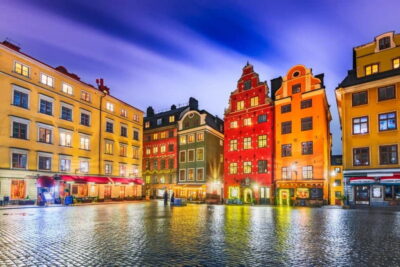
The Original Stockholm Ghost Walk and Historical Tour – Gamla Stan
Read our review →

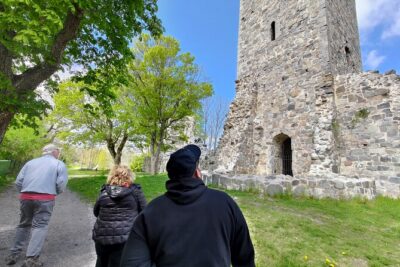
Viking History, Runes & Countryside 9h Tour to Sigtuna & Uppsala
Read our review →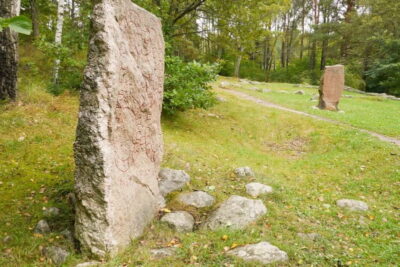
Stockholm Viking History Full Day Tour to Sigtuna + Uppsala
Read our review →Browse the lists this tour appears in