
Reviewed · MUSEUMS
Art and Museum Tour of Oslo
Oslo’s art story reaches far beyond Munch, and this private walk gives you a useful way into it. You’ll connect paintings and museums with the city’s royal, maritime, and medieval landmarks, rather than spending four hours inside one building.
I like the private format, which lets you shape the museum time around your interests. I also like the art historian guide, especially for travelers who want context instead of a quick list of famous names.
The main point to check is the museum plan. The stated choices include the National Gallery, Astrup Fearnley, and several Bygdøy museums, while one past participant specifically wished the National Museum had been included. Confirm the current museum lineup before booking.
Key points at a glance
- A private four-hour walk: Your group alone takes part, with room to adjust the route and museum choices.
- A broad Oslo introduction: The route links Aker Brygge, the Royal Palace, Parliament, Akershus Fortress, and Kvadraturen.
- Choose your art focus: Possible stops include the National Gallery, Astrup Fearnley, the Fram, Kon-Tiki, the Viking Ship Museum, and the Museum of Wooden Architecture.
- Tanya may guide your visit: She is specifically associated with one highly praised experience and is described as thorough and conscientious.
- Good value for a full group: The price is $445.68 for up to 10 people, before museum admission.
- Plan around the clock: The tour lasts about four hours, and the Vigeland Park option adds a 10-minute tram ride.
A four-hour introduction to Oslo through art
This experience works best as an opening look at Oslo. You are not simply moving from one museum to the next. You are walking through the city center and using its buildings, streets, waterfront, and fortifications to place Norwegian art in context.
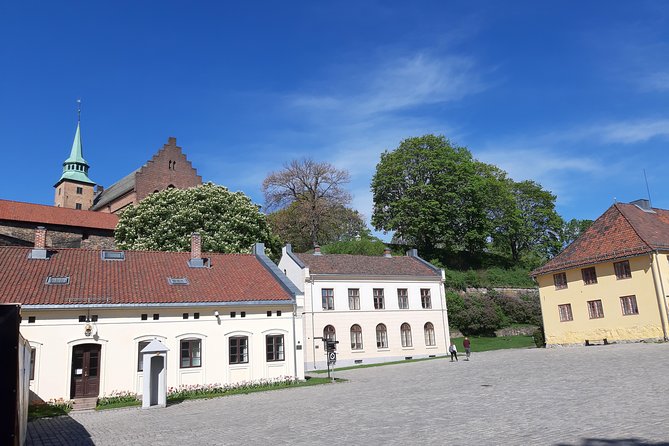
The route begins in central Oslo and covers much ground on foot. You can expect to see Aker Brygge, the Royal Palace, Parliament, the main streets of the 19th-century city, Akershus Fortress, and Kvadraturen, the older grid associated with 17th-century Oslo.
That range is useful. A museum can show you what Norwegian artists painted, while the streets help explain the city in which those artists worked. Akershus adds medieval and military history. Aker Brygge gives you the modern waterfront. Kvadraturen connects the present city to an earlier plan.
You should still think of this as a walking tour with museum visits, not a museum-only program. If your priority is spending several quiet hours with paintings, the route may feel too broad. If you want a first orientation to Oslo with art at its center, the mix makes good sense.
More Museum Visits in Norway
- Kon-Tiki Museum Entrance Ticket
★ 4.5 · 1,096 reviews - Oslo: Paradox Museum Entry Ticket
★ 4.3 · 799 reviews - The Fram Museum Admission Ticket
★ 4.5 · 490 reviews
Aker Brygge, the Royal Palace, and central Oslo
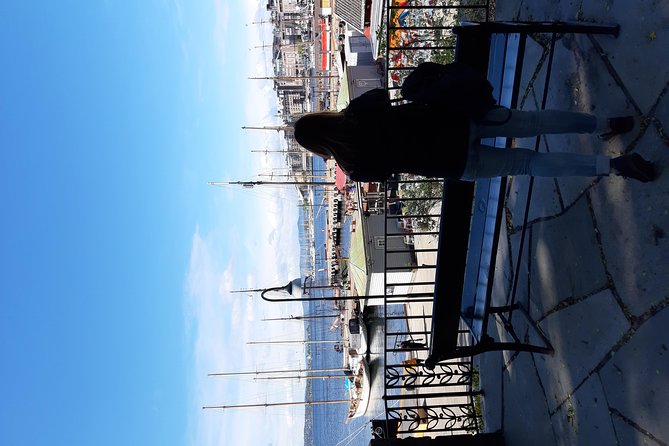
Aker Brygge is one of the tour’s modern reference points. The area helps you see Oslo as a waterfront city, and it gives the route a change of pace after the older central streets. The tour also includes the Royal Palace, Parliament, and the main avenues of 19th-century Oslo.
These stops are not filler between museums. They give your guide a chance to explain how the capital developed and how public buildings shaped the city. An art historian can also point out how national identity appears in architecture, monuments, and public spaces.
The route’s broad time span is one of its strongest features. You move from medieval Akershus to 17th-century Kvadraturen, then into the 19th-century capital and the modern waterfront. That sequence gives you a clearer sense of Oslo than a single museum visit would.
Because the walk includes several districts and landmarks, wear comfortable shoes and smart-casual clothes. The stated dress code is smart casual, and the experience is primarily on foot, so practical clothing matters more than dressing up.
Akershus Fortress and the older city grid
Akershus Fortress is the historic anchor of the walk. This medieval fortress gives you a physical connection to Oslo’s earlier years, before the city took on its modern form. It is also a welcome change from galleries and formal public buildings.
The guide can help you see the fortress as part of the city’s story rather than as an isolated monument. Its presence near the center shows why this part of Oslo mattered for defense and government. The tour then continues to Kvadraturen, the city center associated with the 17th century.
Kvadraturen is especially useful for readers who enjoy urban history. Its name refers to the gridlike plan, and the area lets you read Oslo through its street pattern. You do not need to be an architecture specialist to appreciate this part of the route. The guide’s role is to make the old plan legible as you walk.
The trade-off is time. Four hours sounds generous, but central Oslo landmarks and one or two museums can fill it quickly. If you want a slow visit inside every museum listed, this is not the right structure. If you want a selective introduction, the pace should be more manageable.
Picking the museum that fits your interests
The museum choice is the heart of the private format. You may select one or two museums, depending on your interests and the time available. The named possibilities cover very different subjects, so your decision will shape the entire experience.
The National Gallery option is designed for visitors who want major European and Norwegian painting. The stated highlights include Edvard Munch’s The Scream and other Munch works, along with French Impressionist paintings.
That choice suits you if you want a traditional art museum and a chance to place Munch beside other European artists. It is also the most obvious pick for first-time visitors who know Oslo mainly through The Scream.
One point needs attention before you pay. A participant specifically wanted the museum portion to include the National Museum, so do not assume that the current National Gallery wording means the same thing as a visit to the newer National Museum. Ask Quality Tours exactly which institution is available on your date and which galleries you will see.
The Astrup Fearnley Museum of Modern Art offers a different mood. It is a private museum and gives the tour a modern-art direction. Choose it if you would rather discuss contemporary work than focus on Munch and Impressionism.
The Bygdøy choices give you an even wider view of Norwegian culture:
- Fram: A museum centered on the famous polar ship.
- Kon-Tiki: A museum devoted to the Kon-Tiki expedition.
- Viking Ship Museum: A major choice for early Scandinavian material culture, though you should confirm its operating status and current availability when booking.
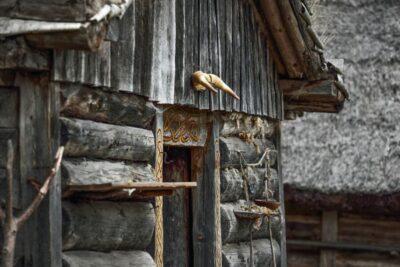
- Museum of Wooden Architecture: A good option if traditional buildings and Norwegian construction interest you more than paintings.
These are not interchangeable stops. The Fram and Kon-Tiki focus on exploration and national adventure. The Viking collection points to an older Scandinavian world. The wooden architecture museum shifts attention to buildings, craft, and everyday traditions.
I would choose one museum based on a clear interest rather than trying to sample everything. The guide can help you make that choice, but tell the operator what you care about when booking. The more specific you are, the easier it will be to use four hours well.
More Museum Visits in Oslo
- Oslo: Oslo Discovery Tour with 2 Museums Included
★ 4.6 · 334 reviews - The Viking Planet Museum Ticket
★ 4.0 · 197 reviews - Oslo: Munch Museum Admission Ticket
★ 4.5 · 193 reviews - Private sightseeing in a Volvo XC 90 All inclusive museum/guiding
★ 5.0 · 35 reviews
Munch, Impressionism, and the question of the National Museum
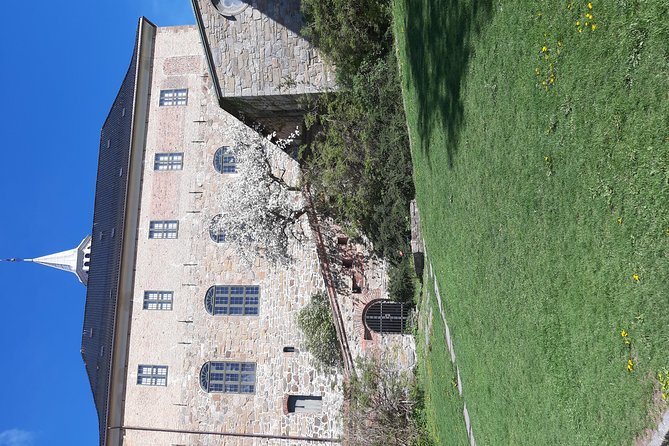
Munch is an obvious draw, but the tour does not need to become a one-artist outing. The stated National Gallery plan pairs The Scream and other Munch paintings with French Impressionists, which gives you a chance to compare Norwegian expression with a broader European movement.
That comparison is one of the more useful reasons to have an art historian guide. You can ask why Munch matters, how his work differs from Impressionist painting, and how Norwegian art fits into the wider European picture. The value is not just seeing a famous canvas. It is understanding why it became famous.
Still, museum names and collections can change. The supplied information identifies the National Gallery, while a participant wished the National Museum had been part of the experience. That is a real planning issue, not a small wording point. Contact the provider and ask three direct questions:
- Which museum is included on your date?
- Can the National Museum be selected?
- Are the 100 kr admission charges paid at the museum or handled another way?
The information gives museum entrance fees as 100 kr per person, while the activity itself is also marked as having free admission. I would read that as the guide service not charging a separate admission ticket, with museum entry possibly paid separately. Confirm before you go.
What the private guide adds
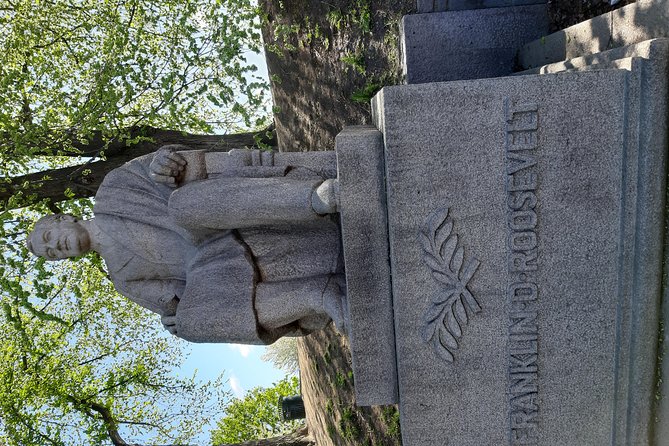
The tour includes a Blue Badge guide, a professional guide, and a professional art historian guide. The wording suggests a guide with formal training and a strong focus on interpretation, not simply directions between attractions.
Tanya is the one named guide connected with the experience. Her work is described as very thorough and conscientious, with time taken to show the group the collections. Another assessment calls the guide enthusiastic and well informed, but also points out that the museum selection did not include the National Museum.
That combination gives you a fair picture of what to expect. The guide is a major reason to book this rather than use a map and visit museums on your own. You get a person who can adapt the emphasis, explain what you are seeing, and respond to questions.
The guide may be multilingual, so language availability is worth confirming if that matters to you. Since this is a private activity, only your own group participates. That makes it easier to ask basic questions, change emphasis, or spend less time on a subject that does not hold your attention.
Adding the Opera House and Vigeland Park
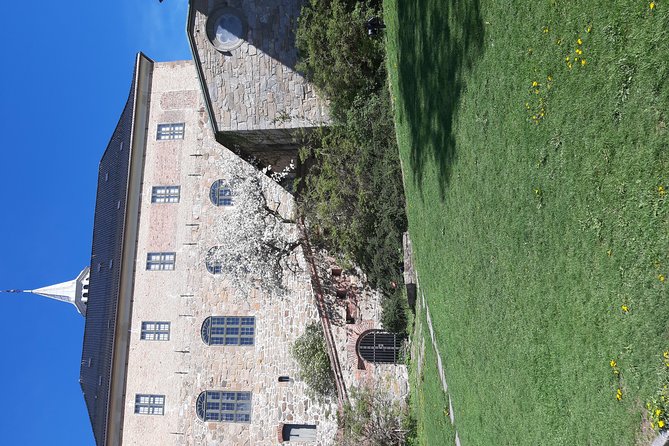
The new National Opera House and Vigeland Park can be added to the route. Vigeland Park requires about 10 minutes by tram, so this is not just a minor detour on foot.
The park option suits you if you want public sculpture as part of the art story. It also gives the four-hour route an outdoor component after the central streets and museum interiors. The Opera House adds a modern architectural stop.
The drawback is simple: every extra stop reduces museum time. If your first goal is Munch, the Astrup Fearnley collection, or a Bygdøy museum, do not add every optional attraction. Tell the guide what matters most and let the route reflect that.
Price, group size, and real value
The cost is $445.68 per group of up to 10 people. At the maximum group size, that works out to about $44.57 per person before museum admission. For a couple, the same price is a much larger expense, so the value depends heavily on how many people share the booking.
A full family group or party of friends gets the strongest deal. You receive a private guide for four hours, a flexible museum plan, and a city walk that combines art with major landmarks. Splitting the cost among several people can make the private format quite reasonable.
Museum entrance is listed separately at 100 kr per person. Build that into your budget, and verify the apparent difference between free admission for the activity and the stated museum fees.
The tour is booked an average of 86 days ahead, which suggests that you should not leave it until the last minute if your dates are fixed. Confirmation is provided at booking, and pickup is offered. If you are arriving by cruise ship, you must provide the ship name, docking time, disembarkation time, and re-boarding time.
Cruise passengers should leave a sensible buffer. No refund is issued if the activity is missed because the ship arrives late or fails to arrive. That is a firm risk for anyone planning the tour around a port call.
Who should book this Oslo art walk?
I would choose this experience if you want a private guide, prefer a flexible plan, and want to connect Oslo’s art with its streets and historic sites. It is also a good fit for a family or group of friends who can share the $445.68 cost.
It suits first-time visitors who do not yet know which museum deserves their time. The guide can help you choose between Munch and Impressionism, modern art, polar exploration, Viking collections, and wooden architecture.
I would be more cautious if you want a long, quiet museum visit or if the National Museum is essential. Ask about the current museum choice before booking. You should also think twice if you are traveling alone or as a couple and find the private price hard to justify.
Free cancellation is available up to 24 hours before the start time. Changes or cancellations inside that window are not accepted, and the payment is not refunded.
Should you book it?
Book this tour if you want Oslo explained as a city of art, royal power, medieval defense, modern waterfront development, and national identity. The private format and art historian guide are the strongest reasons to choose it, with Tanya offering a particularly promising guide option when available.
Before confirming, settle the museum question, especially if you want the National Museum. If you do that and choose one clear theme for the four hours, this can be a smart way to get your bearings and see more than Munch alone.
FAQ
How long does the Art and Museum Tour of Oslo last?
The tour lasts approximately four hours.
How much does the tour cost?
The price is $445.68 per group, with up to 10 people allowed in the group.
Is this a private tour?
Yes. Only your group participates in the activity.
Which Oslo museums can be included?
The stated choices include the National Gallery, Astrup Fearnley Museum of Modern Art, and museums on Bygdøy such as the Viking Ship Museum, Kon-Tiki, Fram, and the Museum of Wooden Architecture.
Can the National Opera House and Vigeland Park be added?
Yes. The National Opera House and Vigeland Park can be included. Reaching Vigeland Park takes about 10 minutes by tram.
Are museum entrance fees included?
Museum entrance fees are stated as 100 kr per person. The activity information also says admission is free, so confirm with Quality Tours whether museum entry is paid separately on your chosen route.
Is pickup available?
Pickup is offered. Cruise ship passengers must provide their ship name, docking time, disembarkation time, and re-boarding time when booking.
What is the cancellation policy?
You can cancel at least 24 hours before the start time for a full refund. Cancellations, changes, or missed departures within 24 hours are not refunded.
Just added around Oslo
- Oslo Winter Highlights Bike Tour★ 5.0 · 36 reviews
- Unknown war. Oslo and Norway during 1940-45★ 5.0 · 74 reviews
- The Viking Planet Museum – Mini Group (4 adults)★ 4.0 · 16 reviews
- 4 hours Best View of the Oslofjord Winter Edition★ 4.0 · 15 reviews
- The Ultimate Norwegian Skiing Experience★ 5.0 · 16 reviews
- The Ultimate Study of the Human Form at Vigeland’s Sculpture Park with a Local★ 4.0 · 14 reviews
- The Viking Planet Museum Ticket★ 4.0 · 197 reviews
- The Oslo Beer Adventure★ 4.5 · 11 reviews
Museums, compared.
Stockholm Pass: Save up to 50% – Includes Vasa Museum Ticket
Read our review →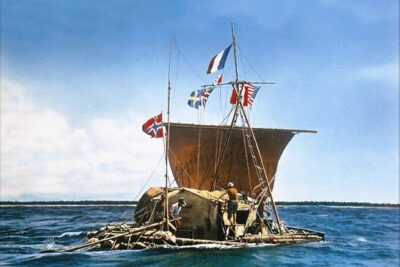


Browse the lists this tour appears in