
Reviewed · HISTORICAL TOURS
Copenhagen: Danish War Museum Entry Ticket
The 163-meter first-floor hall is the Danish War Museum’s great surprise. Housed in Copenhagen’s 1604 Tøjhus Arsenal, it gives you a long, dramatic route through Denmark’s military past, from knightly armor and Swedish wars to Afghanistan and modern drone warfare. The exhibitions are laid out beautifully, with fascinating information and plenty to see.
I like the mix of grand objects and odd human details, including a ship model made from bones and a 150-year-old biscuit. I also like the hammock, where you can listen to Danish stories from the seven seas. The main drawback is important: there is currently no elevator to the first-floor exhibitions, so access requires careful planning.
Key points at a glance
- Walk through the Nordic region’s longest room: The first-floor hall stretches 163 meters inside the old Arsenal building.
- Follow Denmark from the 1500s to today: Exhibits cover knights, wars with Sweden and England, World War II, the Cold War, and Afghanistan.
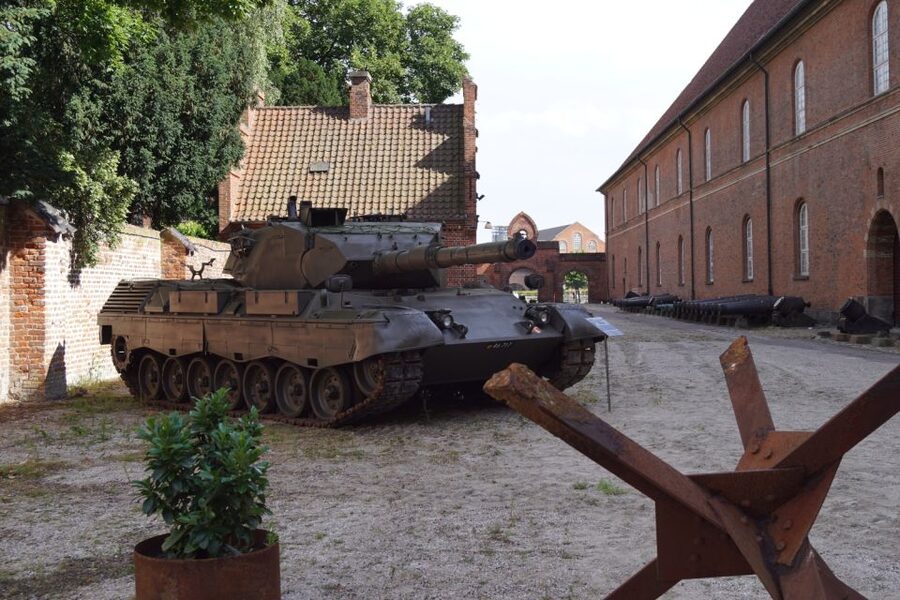
- See unusual objects beside serious military displays: Look for the bone ship model, the old biscuit, and a damaged military vehicle from Afghanistan.
- Pause in a hammock for Danish sea stories: This gives the museum a lighter, more atmospheric break from weapons and warfare.
- Consider the first-floor access before booking: There is no elevator, although you may bring your own wheelchair or baby carriage.
- Pay about $20 for a full day: That is fair value if you take time with the displays rather than making a quick visit.
Entering the 1604 Tøjhus Arsenal
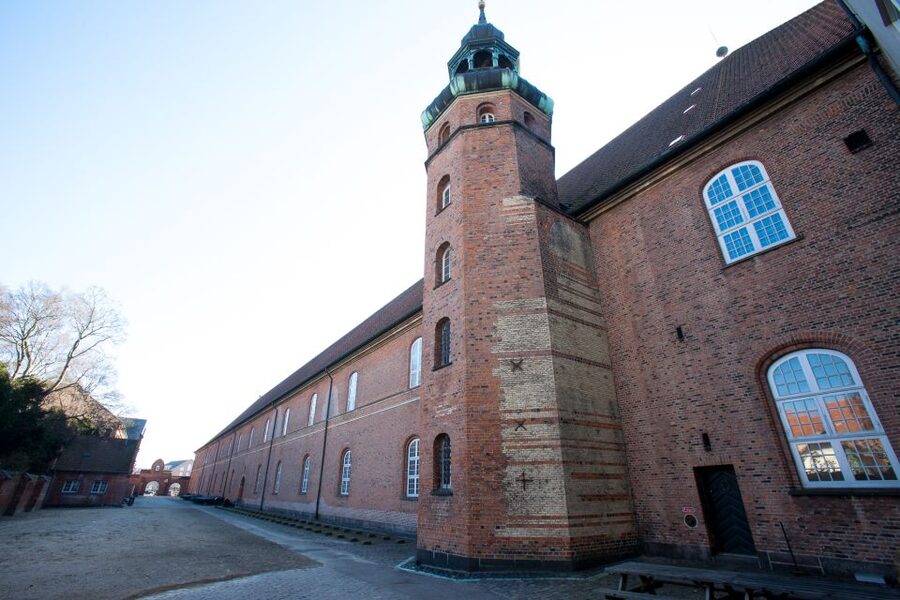
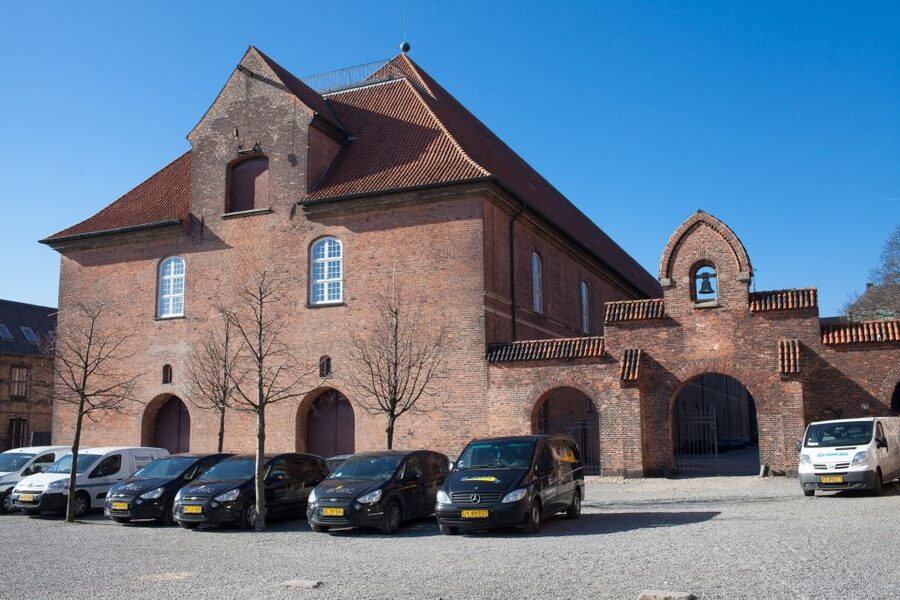
The museum occupies the historic Tøjhus, or Arsenal, built by Christian IV in 1604. The building was designed to store weapons, so the setting fits the subject better than a modern gallery ever could. You are not simply looking at military objects in a neutral box. You are walking through a place built for the Danish military world.
That setting also helps give the visit a clear shape. The museum carries you across several centuries, beginning in the 1500s and continuing to Denmark’s role in present-day conflicts. The emphasis is national, but the subjects are familiar across Europe: royal armies, rival powers, changing weapons, civilian danger, and the growing distance between soldiers and the public.
The museum ticket is valid for one day. I would treat this as a flexible visit rather than a timed tour. The available information does not give a fixed guided itinerary or a named guide, so you should expect to explore at your own pace.
The current rating is 4.7 out of 5 from 106 reviews. That fits the museum’s strongest quality: the exhibits are arranged beautifully, and there is enough material here to reward more than a quick look.
More Historical Tours in Copenhagen
- Sights & Gems: Medieval Copenhagen & Nyhavn with a local host
★ 5.0 · 54 reviews - Monstour: A Self-Guided Audio Tour of Danish Folk Legends
★ 4.5 · 19 reviews - Copenhagen: Danish-Jewish History Tour
★ 5.0 · 9 reviews
The long first-floor hall and its armor
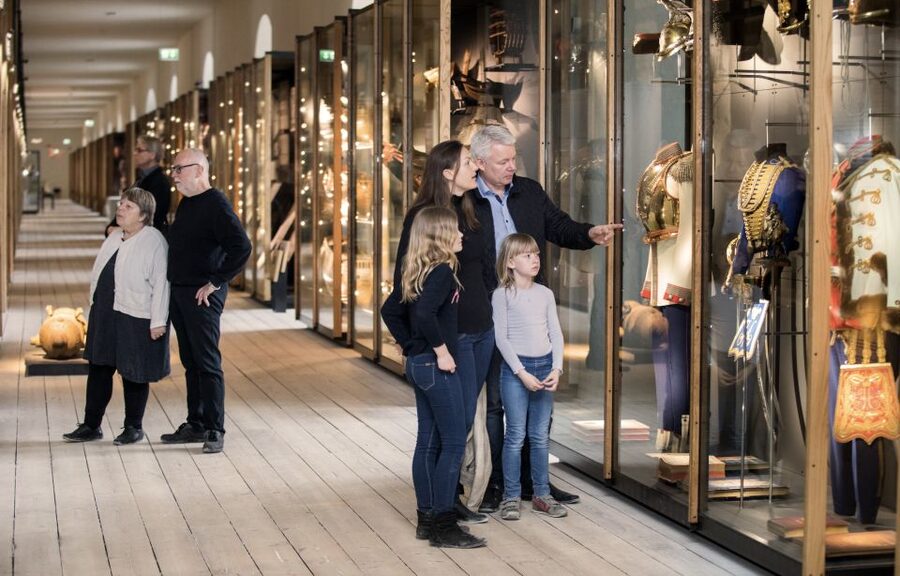
The first-floor hall is the visual centerpiece. At 163 meters, it is described as the longest room in the Nordic region. That length matters. Instead of a series of small rooms where the story can feel chopped into pieces, you get one powerful architectural sweep.
I would begin by taking in the entire hall before reading every label. Let the space set the mood, then return to the displays that catch your eye. The long room gives the collection a sense of movement, as if Danish military history is passing before you in a single line.
One of the earliest highlights is the armor of 15th-century Danish knights. Armor can look decorative in a display case, but it also reveals the practical limits of warfare in its time. Heavy protection, shaped metal, and carefully made weapons tell you about the cost and craft behind medieval combat.
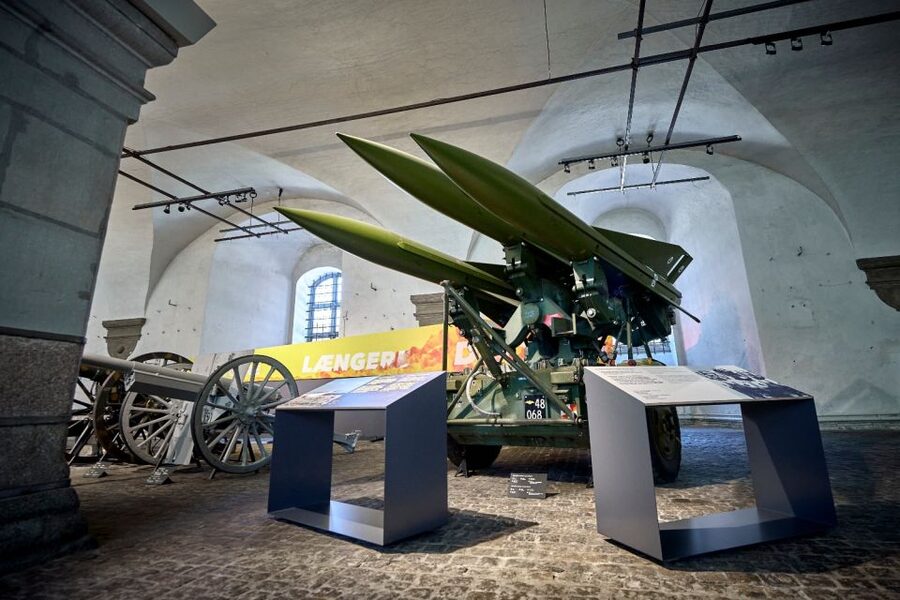
You can also see weapons used across the centuries. The collection helps show that war changes through technology, but not always in a straight line. Older weapons can be visually impressive, while later machines raise harder questions about distance, accuracy, and responsibility.
The museum works best when you compare these periods rather than treating each object as an isolated treasure. A suit of armor and a modern military vehicle have little in common at first glance. Together, they show how Denmark’s forces moved from personal protection and close combat toward mechanized and remote warfare.
Sweden, England, and Denmark’s changing wars
The displays cover Denmark’s 17th-century wars with Sweden and the 19th-century conflict with England. These sections should appeal to anyone interested in the political pressures around Denmark, not just people who collect military facts.
The Swedish wars place Denmark in a struggle with a nearby power. The conflict with England shows a different kind of challenge, involving a major naval and imperial force. You may find that these exhibits work best when you take time to connect the military objects with the wider question of Denmark’s position in northern Europe.
I appreciate that the museum does not limit itself to famous battles. The collection includes the tools and clothing of war, not just the headline events. Armor, weapons, uniforms, and models can make large political conflicts easier to picture.
One especially unusual object is a ship model made of bones. It is the sort of display that makes you stop, even if you came mainly for tanks or weapons. Its value is not only visual. It hints at the creativity, boredom, hardship, and personal habits that existed around military life.
Another memorable item is a 150-year-old biscuit. It sounds almost comical beside weapons and uniforms, but food is part of any army’s story. A hard, preserved biscuit tells you something about storage, travel, and the everyday needs of people far from home. Small objects like this keep the museum from becoming a parade of large military hardware.
Danish stories from the seven seas
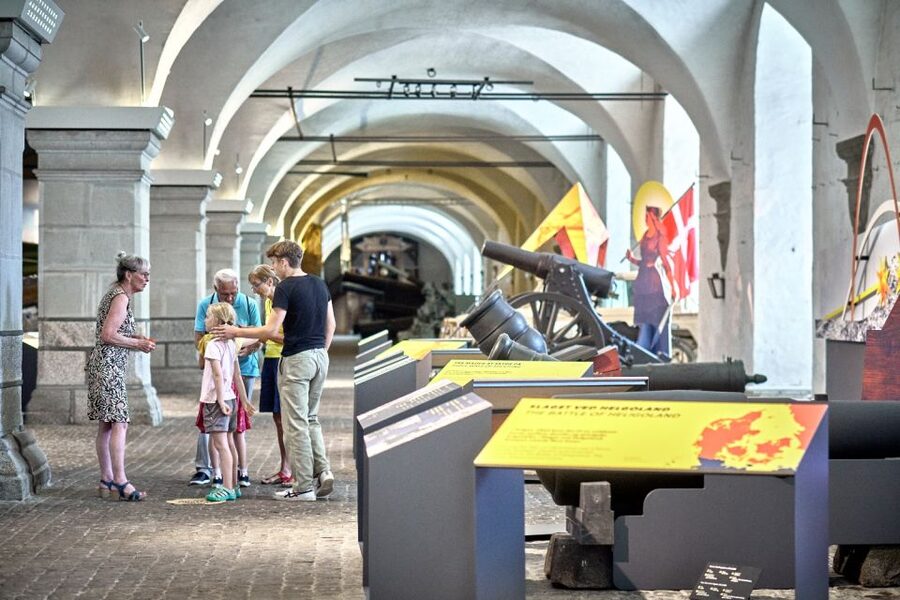
The hammock is one of the museum’s more relaxed features. You can sit back and listen to Danish stories from the seven seas, giving yourself a break from the dense material in the galleries.
This is useful if you are visiting with children or with someone who does not want hours of technical military detail. It also gives the museum a more personal tone. Naval history is often presented through ships, battles, and commanders. Stories told from a hammock can suggest the people, journeys, and legends connected with life at sea.
I would not plan the whole visit around this feature, but I would make time for it. The museum’s objects can be serious and sometimes grim. A pause in the hammock helps vary the pace, especially during a full-day ticket.
The supplied details do not identify a particular storyteller or guide, so you should not expect a named live presentation. Think of it as an in-museum listening station or storytelling feature rather than a scheduled tour.
More Historical Tours in Denmark
- Afternoon Hamlet Castle Tour to a UNESCO World Heritage Site.
★ 4.5 · 7 reviews - Copenhagen’s Royal History: A Self-Guided Walking Tour
★ 4.5 · 7 reviews - Private E-Biking Copenhagen History and Nature Adventures
★ 5.0 · 5 reviews - Historical Walking Tour in Aarhus
★ 4.5 · 35 reviews
From World War II to the Cold War
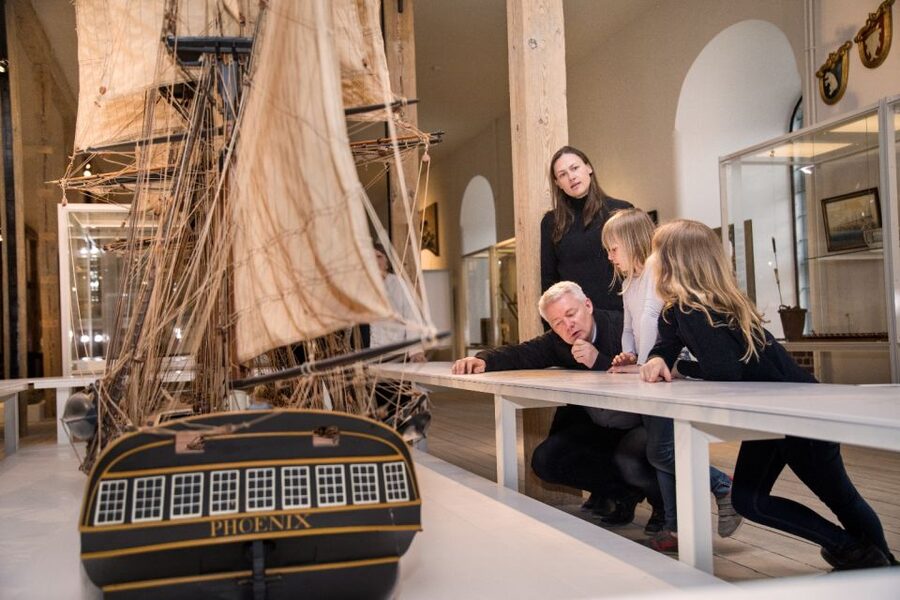
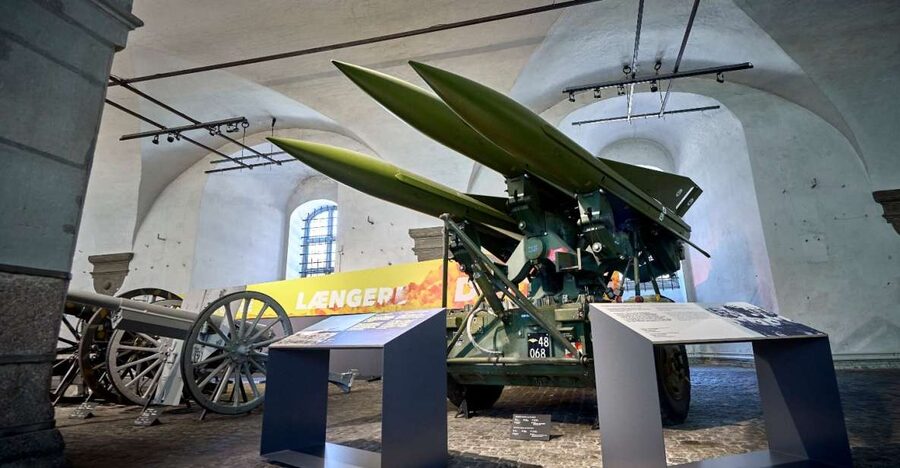
The museum continues into the 20th century with displays on World War II and the Cold War. These subjects matter because they show Denmark dealing with warfare that affected ordinary life, national security, and international alliances.
World War II changed the meaning of military conflict for much of Europe. The Cold War then brought a different kind of pressure, with the constant possibility of a larger confrontation. In the museum, these periods help bridge the gap between older weapons and the modern defense systems discussed in the later exhibitions.
You may find these sections more rewarding if you avoid rushing from object to object. Give yourself time to think about the change in scale. Earlier displays can focus on a knight, a ship, or a regiment. Modern conflict involves national systems, alliances, machines, surveillance, and decisions made far from the people affected by them.
The museum’s chronological approach also makes the present-day material easier to understand. Denmark’s current military role did not appear from nowhere. It developed through centuries of conflict, changing alliances, and new forms of defense.
Afghanistan and the personal cost of modern war
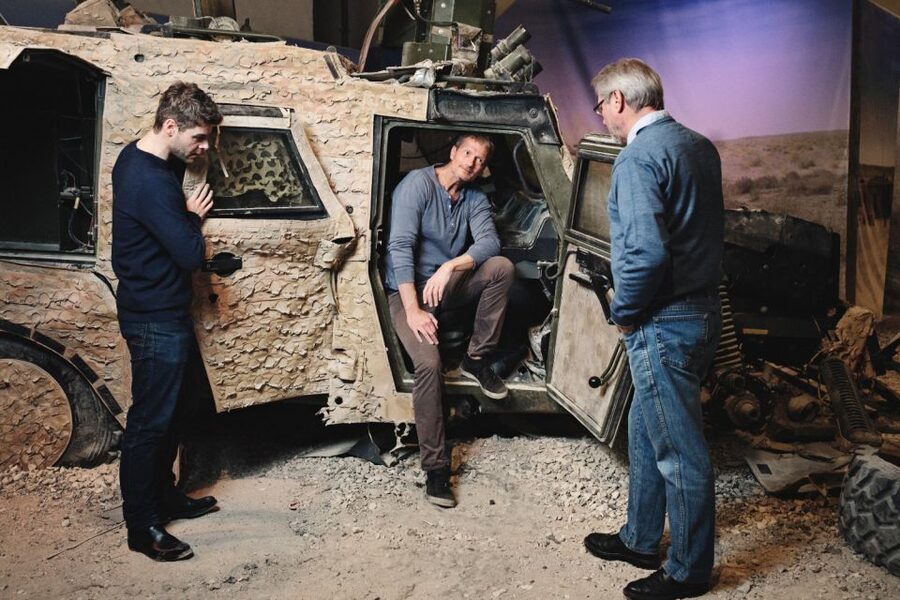
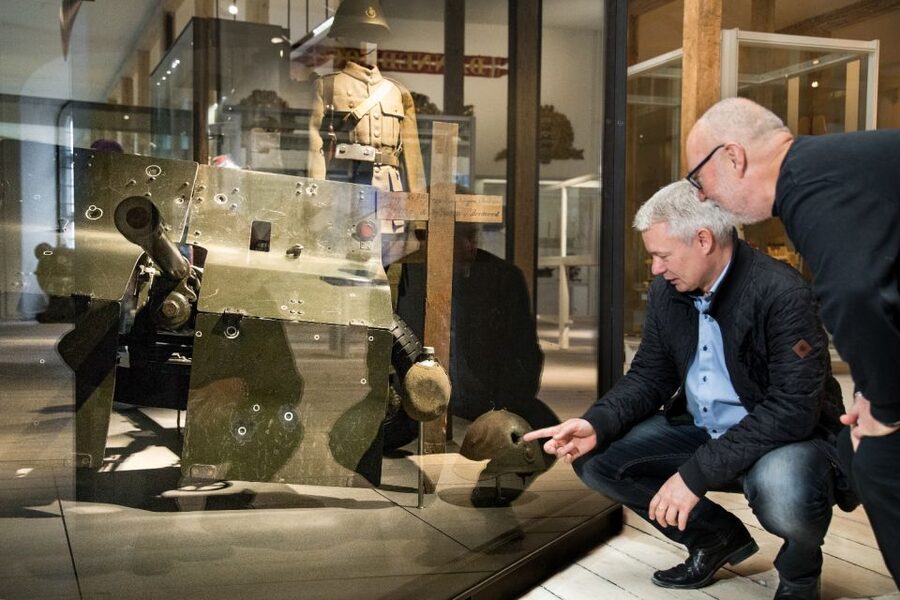
The Afghanistan material brings the collection into the 21st century. One of the most striking objects is a military car that ran over a roadside bomb, while everyone inside survived.
That vehicle can make modern warfare feel immediate. It is not only a machine or a technical artifact. It carries the story of danger, protection, and survival. You can see how an object associated with a distant conflict can suddenly become very direct.
The museum also displays the world’s only complete example of a uniform from the American Civil War. This is an unusual connection between Danish military collecting and a major conflict outside Denmark. It gives the collection international reach without losing its main focus on Denmark.
I would pay attention to the contrast between the Civil War uniform and the Afghanistan vehicle. One is a complete item of clothing from a 19th-century war. The other is a damaged machine from a modern conflict. Together, they show how military museums can preserve both personal equipment and large-scale technology.
The Afghanistan section may be less comfortable than the older displays, and that is part of its value. Military history is not only about polished armor and impressive weapons. It also involves roadside bombs, fear, injury, and the effort to protect people in unpredictable conditions.
The drone exhibition and the future of war
A new spot exhibition asks whether drones have changed the way wars are fought. It looks at what drones mean in current conflicts and how they may affect future battlefields.
This section connects directly with the constant flow of drone footage from Ukraine and other war zones. Cameras and sensors can watch from above, while unmanned aircraft can carry out attacks without putting a pilot in the same physical location. That changes the relationship between distance and danger.
The exhibition raises difficult questions rather than offering simple answers. Can drones become fully autonomous killing machines? Can current Danish defense systems stop a drone attack? What happens when soldiers and civilians can be watched from the air almost anywhere?
For me, this is likely to be one of the most relevant parts of the museum for adults. Older displays help explain what happened. The drone exhibition asks what may happen next. It also shows why military technology cannot be judged only by appearance. A small unmanned aircraft may seem less imposing than a tank, yet its surveillance and attack abilities can alter daily life in a war zone.
You should allow extra time here if modern security and technology interest you. The exhibition is described as a spot exhibition, so it may be more focused than the museum’s large historical displays. Its strength is the current subject and the questions it puts in front of you.
How much time should you allow?
The ticket is valid for one day, but the exact amount of time you need depends on your pace. If you read only selected labels and focus on the major objects, you can make a shorter visit. If you want to follow the story from the 1500s through Afghanistan and drones, plan for a much longer stay.
I like the one-day validity because it removes pressure. You do not have to race through the first-floor hall. You can take a break in the hammock, return to an object you missed, or spend more time with the modern conflict displays.
There is no published guided schedule in the supplied information, and no guide’s name is provided. You should therefore plan on an independent museum visit. That suits visitors who like setting their own pace, but anyone looking for a live, narrated tour should know that this ticket is simply admission.
The 4.7 out of 5 rating from 106 reviews reflects a strong overall response. The most praised features are the beautiful layout, the fascinating information, and the large amount to see. Those strengths are most useful if you are prepared to give the museum time.
Is the $20 ticket good value?
At about $20 per person, this is a fair museum price for a full-day ticket, especially if you care about military history, historic buildings, or unusual objects. You are paying for access to a broad collection rather than a short attraction with one main display.
The value depends on your interests. If you enjoy armor, weapons, uniforms, military vehicles, and the history of Denmark’s wars, you should find plenty to hold your attention. The museum also works for visitors who prefer social history, since biscuits, sea stories, survival, and personal equipment add human detail.
The ticket is less compelling if you want a quick overview of Copenhagen or dislike museums with a large amount of reading and historical material. The museum covers centuries, so not every section will have equal appeal for every person.
I would consider the full-day validity a real advantage. You can take the visit at a sensible pace instead of trying to absorb a long chronological story in one hurried sweep.
Access, families, and practical concerns
The main practical warning is the lack of an elevator to the first-floor exhibitions. If you use a wheelchair or have difficulty with stairs, check your needs carefully before booking. The museum is working on accessibility issues, but the current information clearly says that the first floor has no elevator.
You may bring your own wheelchair or baby carriage. That is helpful, but it does not remove the problem of reaching the upper displays. Contacting the museum before your visit would be sensible if the first-floor material is essential to your plans.
Families can make good use of the museum’s variety. Children may respond to armor, weapons, the ship model made of bones, and the damaged military car. The hammock and sea stories offer a calmer change of pace.
The subject matter includes war, bombs, and military technology, so parents should decide how much modern conflict material is suitable for their children. The Afghanistan and drone sections may need more explanation than the older displays.
Who should book this museum ticket?
I would recommend it to you if you like military objects, Danish history, historic buildings, or museums that connect old conflicts with current events. It is also a good choice if you want something more substantial than a quick photo stop and appreciate exhibitions arranged in a clear chronological path.
It suits independent visitors best because the ticket provides entry rather than a named guide or scheduled tour. You can set your own pace and choose how much time to spend with armor, sea stories, World War II, Afghanistan, or drones.
I would think twice if you have limited mobility and cannot manage stairs, since the first-floor exhibitions have no elevator. I would also skip it if you want a short, light attraction with little reading.
For most people interested in Denmark’s military past, the $20 price is reasonable. The long Arsenal hall, the unusual objects, the Afghanistan vehicle, and the current drone display give the visit more range than a standard collection of old weapons.
FAQ
Where is the Danish War Museum located?
The museum is in the historic Tøjhus Arsenal in the Zealand Region of Denmark. The Arsenal was built by Christian IV in 1604 and originally functioned as an armory.
How much does entry to the Danish War Museum cost?
The listed price is $20 per person.
How long is the ticket valid?
The ticket is valid for one day. Check availability for the available starting times.
What period does the museum cover?
The exhibitions cover Danish military history from the 1500s to the present day, including the War in Afghanistan.
What is special about the first-floor hall?
The first-floor hall is 163 meters long and is described as the longest room in the Nordic region.
What unusual objects can you see?
The museum includes a ship model made of bones, a 150-year-old biscuit, a military car that survived a roadside bomb in Afghanistan, and the world’s only complete example of a uniform from the American Civil War.
Does the museum have an elevator?
There is currently no elevator to the first-floor exhibitions. You may bring your own wheelchair or baby carriage.
Can I cancel the booking?
You can cancel up to 24 hours in advance for a full refund. A reserve-now-and-pay-later option is also available.
More Museum Visits in Copenhagen
- Copenhagen: National Museum of Denmark Entry Ticket
★ 4.5 · 960 reviews - Copenhagen: Amalienborg Palace Museum Entry Ticket
★ 4.3 · 291 reviews - Exhibition – Home of Carlsberg
★ 4.5 · 281 reviews - Copenhagen: MACA Art Museum Entry Ticket
★ 4.7 · 77 reviews
Just added around Copenhagen
- walking tour – Copenhagen and Christiansborg 3 hours★ 4.0 · 7 reviews
- The Hunt For The Six Forgotten Giants★ 5.0 · 45 reviews
- Copenhagen Walking Tour with Food Testing (smorrebrod dish & snap)★ 4.5 · 10 reviews
- The Six Forgotten Giants Trolls Hunt with Minibus★ 4.5 · 27 reviews
- The Philosopher’s Last Walk: An audio tour on the life of Søren Kierkegaard★ 4.5 · 5 reviews
- Small Group Guided Food Tour and Street Art Visit to Norrebro★ 5.0 · 9 reviews
- The Foodie Tour of Copenhagen★ 5.0 · 14 reviews
- The Forgotten Giants Private Tour★ 5.0 · 3 reviews
Historical Tours, compared.

Reindeer Camp and Sami Cultural Tour with Lunch
Read our review →
The Original Stockholm Ghost Walk and Historical Tour – Gamla Stan
Read our review →


Viking History, Runes & Countryside 9h Tour to Sigtuna & Uppsala
Read our review →
Stockholm Viking History Full Day Tour to Sigtuna + Uppsala
Read our review →Browse the lists this tour appears in