
Reviewed · MUSEUMS
Maihaugen Museum/The Norwegian Olympic Museum, Lillehammer.
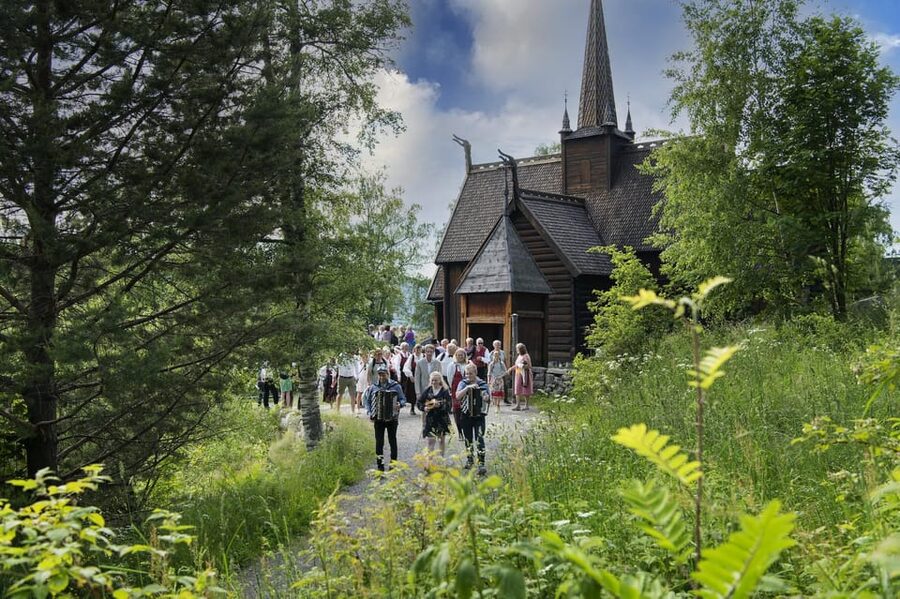
Garmo stave church, built in the 1200s, is the star of Maihaugen, but it is only the first chapter. More than 200 buildings let you walk from old farm life into the homes, shops, and habits of modern Norway. Add the indoor museums and you have enough here for a full day.
I especially like the way the historic buildings turn dates into real places. I also like the Norwegian Olympic Museum, where original objects, films, and interactive displays explain Oslo 1952 and Lillehammer 1994. The main caution is seasonal: in winter, many open-air houses may be closed, so the indoor museums can offer a much better visit.
- Garmo stave church dates from the 1200s, giving the open-air collection its most striking medieval building.
- More than 200 buildings cover eight centuries, from old farms to homes from the 1900s.
- The Norwegian Olympic Museum is included, with special attention to Norway’s 1952 and 1994 Olympic Games.
- The Norwegian Postal Museum opens in summer, including a train with a postal carriage.
- Summer offers the fullest experience, with open houses, hosts, traditional crafts, animals, and extra places to eat.
- Winter needs careful planning, since only a small number of outdoor houses may be open.
Start with eight centuries of Norway in one place
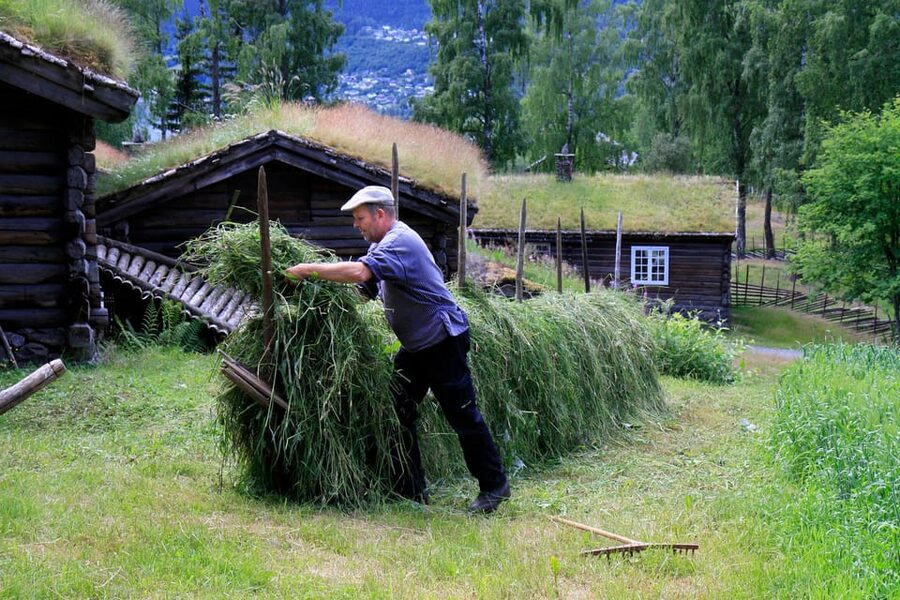
Maihaugen is not a single building with a few rooms. It is a large outdoor museum in Lillehammer, arranged with buildings from different periods of Norwegian life. You can move from a medieval church to old farm buildings, then on to homes from the 20th century.
That range gives you a useful view of how Norway changed. The oldest areas show a rural society shaped by farming, timber, religion, and long winters. Later sections show changing household habits, building styles, and daily life during the 1900s.
I like museums that let you understand history through ordinary rooms. Here, a house can tell you as much as a formal display. Look at the scale of the buildings, the materials used, and the way rooms were arranged. You are not only looking at old objects. You are seeing the setting in which people lived.
The grounds are large enough that you should not treat Maihaugen as a quick stop between other Lillehammer sights. The listed duration is one day, and that is a sensible amount of time if you want to see the outdoor areas and both major indoor museums without rushing.
Garmo stave church is the essential first stop
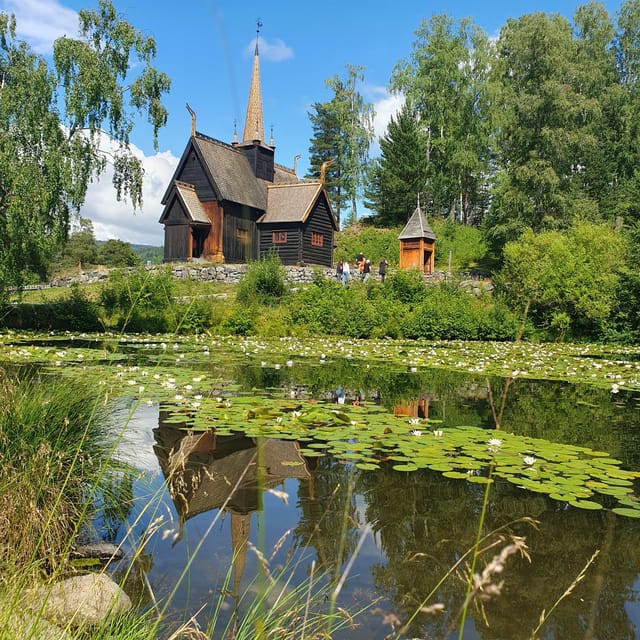
The Garmo stave church is the museum’s most famous building and the place I would seek out first. It dates from the 1200s and represents an important part of Norway’s medieval church tradition.
Its dark wooden form is very different from the stone churches many visitors know from Europe. The construction also helps explain the importance of wood in Norwegian building traditions. At Maihaugen, the church is not isolated from the rest of the story. It belongs to a wider collection that shows how religious buildings, farm buildings, and homes were made and used.
The church is a strong reason to visit even if you have limited time. Still, I would not stop there and leave. The old farms and domestic buildings provide the context that makes the church more meaningful.
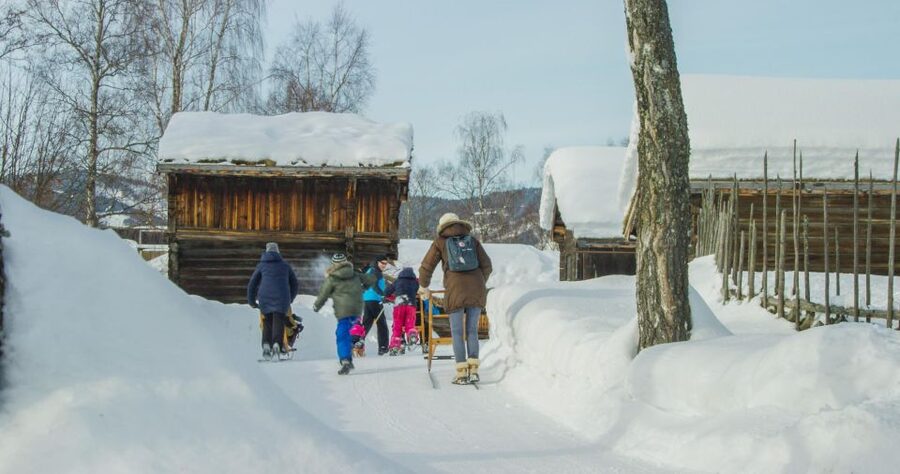
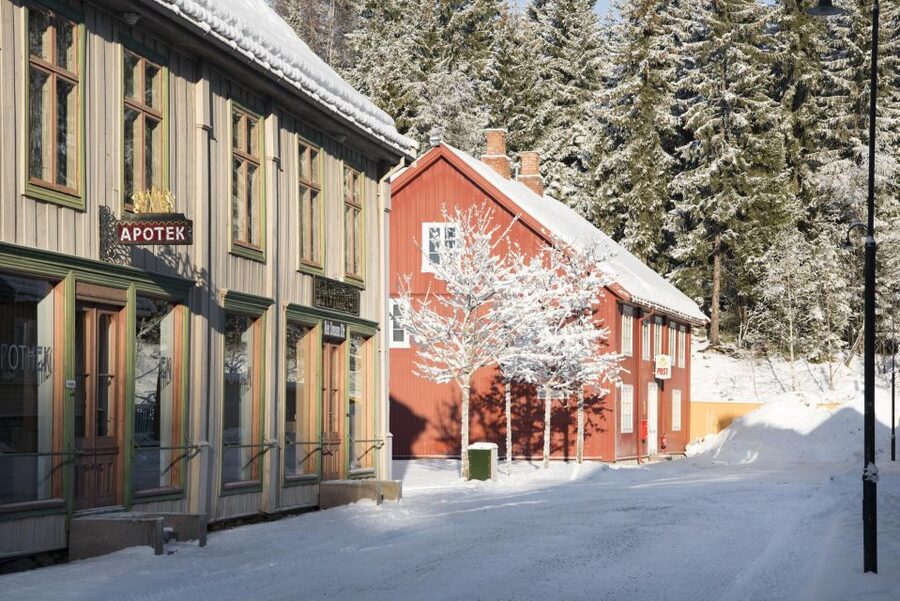
One practical point: access to individual buildings can vary by season and staffing. In winter, it is possible to find only a few houses open. One winter visit had just four open buildings, with access helped by a German-speaking guide. That means you may spend part of your time looking through windows or reading information online rather than entering every house.
More Museum Visits in Norway
- Kon-Tiki Museum Entrance Ticket
★ 4.5 · 1,096 reviews - Oslo: Paradox Museum Entry Ticket
★ 4.3 · 799 reviews - The Fram Museum Admission Ticket
★ 4.5 · 490 reviews
Old farms show the working side of Norwegian life
The farm areas from the 16th, 17th, and 18th centuries are where Maihaugen feels most grounded. These buildings present Norway before modern comforts changed the rhythm of the home.
The value here is not just age. You can see how a farm worked as a group of buildings, rather than as one grand residence. That makes the visit useful for families and for anyone who wants more than a collection of pretty wooden houses.
During summer, actors and hosts may be present in historic houses. Traditional crafts are also part of the seasonal program, and animals graze near the old buildings. Those details help you picture the site as a living community rather than a row of preserved structures.
The outdoor museum works best when you give yourself time to wander. There is not one short route that covers everything. A printed map or directions from the Visitor Center can help you get your bearings before you set off. One criticism of the site is that the route can feel unclear, especially when many houses are closed and you are unsure if you have already seen a section.
The 1900s houses make the museum feel familiar
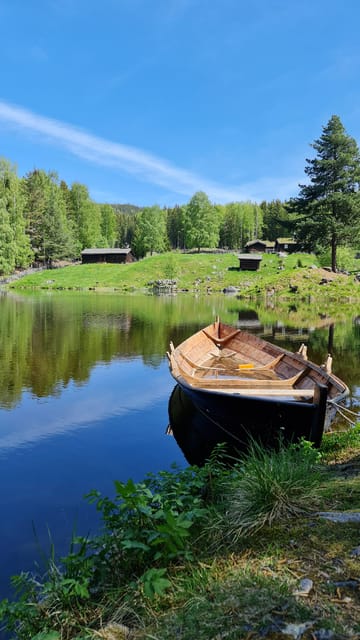
The houses from the 20th century are one of Maihaugen’s most useful features. Medieval and farm buildings are visually impressive, but the newer homes help you connect the museum to your own lifetime.
Moving through houses from different decades lets you notice changes in furniture, room design, technology, and family life. You can see how modern Norway developed without losing the older buildings that came before it.
This part is particularly helpful if you are visiting with children or anyone who finds medieval history distant. A 20th-century home can prompt immediate questions about kitchens, bedrooms, entertainment, and everyday routines.
The open-air collection does not always provide a perfectly clear order. Since the museum includes buildings from many eras, you may need to pause and check where you are. I recommend taking the visit in sections: medieval and older farm buildings first, 20th-century houses next, then the indoor museums.
Indoor exhibitions give you the clearest overview
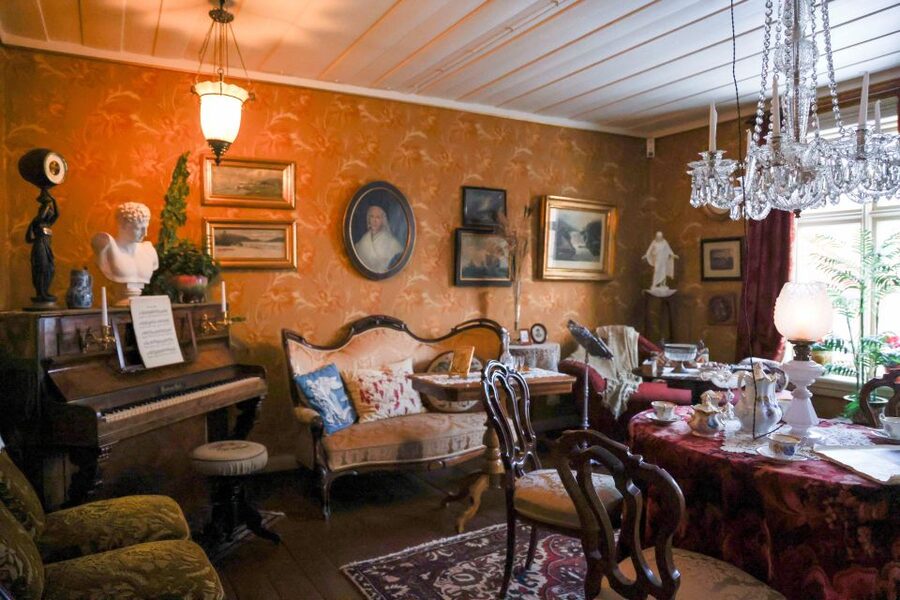
The main indoor museum is an important balance to the outdoor site. It provides a more organized explanation of Norwegian history and culture, especially if the weather is poor or the outdoor houses are closed.
The exhibition Impulses is part of the indoor program. Along with We won the land, it helps place the buildings and objects into a wider story. The indoor displays are also a good starting point if you want an overview before walking through the outdoor collection.
I would make time for the indoor exhibits even on a warm summer day. The outdoor buildings show physical settings, while the indoor rooms can explain the ideas and changes behind them. That combination is what makes the museum feel worth a full day.
If you are visiting in winter, the indoor section becomes even more important. The open-air area may still be attractive for walking and exterior views, but it may not function as a full house-by-house museum visit. Plan around the indoor displays rather than assuming every building will be open.
A different sort of day out, same corner of Norway:
- From Bergen: The Original Fjord Cruise to Mostraumen
★ 4.7 · 8,440 reviews - Tromsø: Reindeer Sledding & Feeding with a Sami Guide
★ 4.8 · 6,417 reviews - Stavanger: Scenic Fjord Cruise to Lysefjord and Preikestolen
★ 4.6 · 5,791 reviews - Oslo: Scenic Fjord Cruise with Audio Guide Commentary
★ 4.5 · 5,375 reviews
Olympic history adds a modern Norwegian story
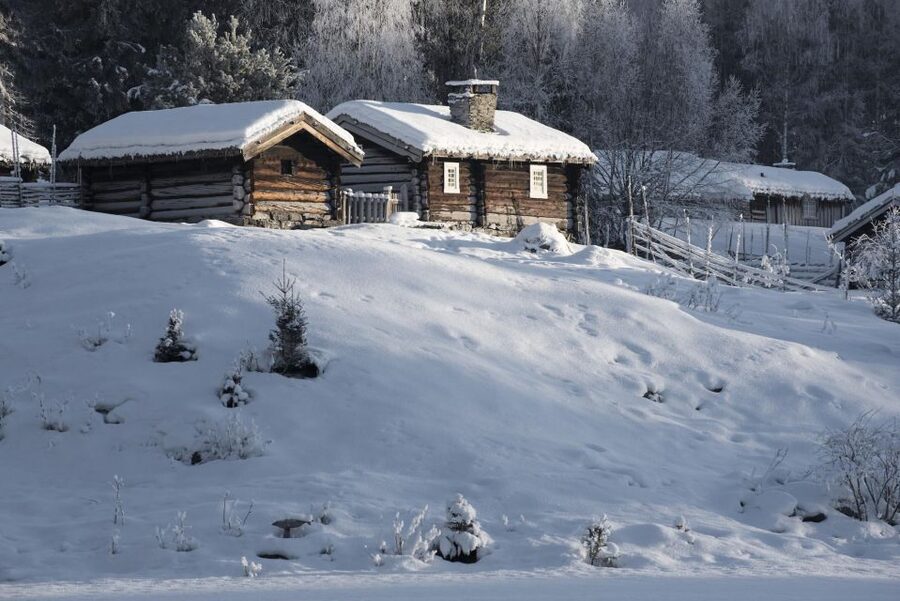
The Norwegian Olympic Museum is located on the same site and is included in admission. It covers the Olympic Games from ancient times to the present, with special attention to Oslo 1952 and Lillehammer 1994.
This is not just a medal display. The museum uses original objects, interactive installations, and films to show major Olympic moments. The Lillehammer focus has obvious local importance, while Oslo 1952 helps connect Norway’s Olympic story to an earlier generation.
I like this part because it broadens the day. Maihaugen shows village life, farming, religion, homes, and crafts. The Olympic Museum shows national identity through sport and international events. The two experiences feel different, but together they give you a wider picture of Norway.
You do not need to be a serious sports fan to get something from the museum. The displays explain how the Olympic Games developed and how Norway’s two host events became part of the country’s public story. If you have children in your group, the films and interactive elements may also provide a change of pace after the older buildings.
The Postal Museum is a summer bonus
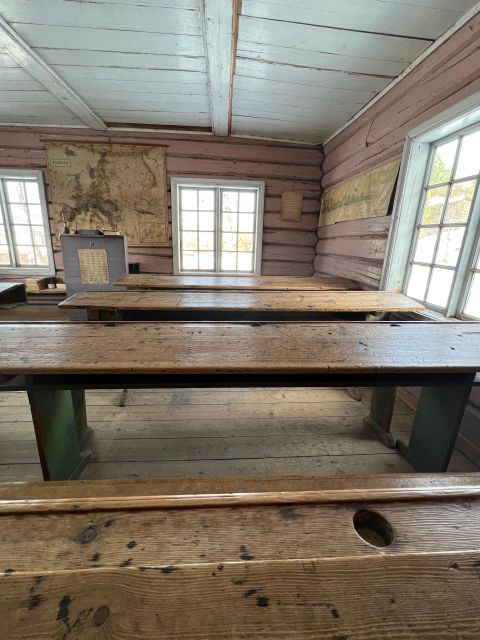
The Norwegian Postal Museum is open during the summer and is included in the summer ticket. Its purpose is to preserve and explain Norwegian postal history, and it has been doing so since 1947.
The most unusual feature mentioned here is an old train with a postal carriage. That gives the subject a physical setting and makes the postal system easier to picture than a display of stamps alone.
This museum is not available as a full part of the experience in every season, so check the opening period when planning. If you visit in summer, treat it as an extra indoor stop rather than the main reason for your ticket.
Summer is the best season for a complete visit
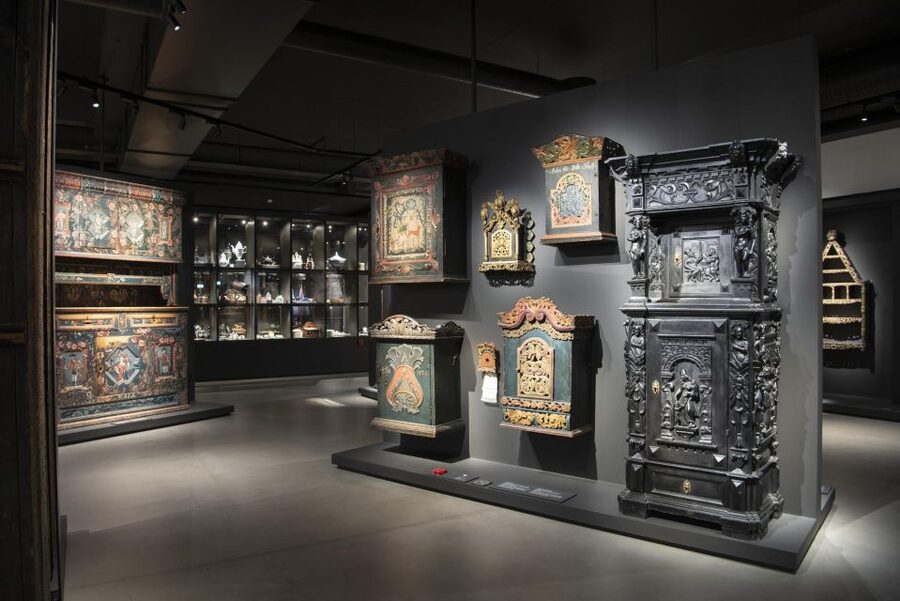
Maihaugen is open all year, but the difference between seasons matters. Summer offers the broadest version of the museum, with more open houses, hosts, actors, traditional crafts, animals, and extra places to eat around the grounds.
That seasonal activity changes the feel of the visit. You can enter more buildings and see more of the outdoor collection as intended. The cultural setting also becomes easier to understand when people demonstrate crafts or explain how a historic house was used.
The famous Christmas Market takes place during the first weekend of Advent. Decorated historic houses, Norwegian crafts, handmade goods, local food, and Christmas decorations make this a separate seasonal event rather than a routine museum day.
Winter can still work if your priority is the indoor museum, the Olympic displays, and a walk among the buildings. It is less suitable if you expect to enter many historic houses. One winter visit found almost all houses closed, while another found the outdoor visit difficult to follow. I would choose summer for a first visit and winter only with modest expectations.
Price, food, and the value of a full day
The listed price is $19 per person. That includes Maihaugen’s open-air museum, indoor and outdoor exhibitions, the Norwegian Olympic Museum, and the Norwegian Postal Museum during summer.
For a full day, I consider that good value. You are paying for several distinct museums and a large collection of historic buildings, not just one exhibition. The value is strongest in summer, when more houses and activities are available.
Food and drinks are not included. A cafeteria in the main building operates all year, and extra places to eat open around the outdoor museum in summer. The museum shop sells design products and other quality items, so allow time for a look if you want a practical souvenir rather than a standard gift-shop trinket.
Transportation is also separate. You make your own way to the museum, then enter through the Visitor Center, where the counter and hosts are located. English support is available, and the site is wheelchair accessible.
The booking terms are useful for uncertain plans: you can cancel up to 24 hours before the visit for a full refund, and you can reserve now and pay later. Those policies do not change the museum itself, but they make it easier to fit into a Norway itinerary.
Who will get the most from Maihaugen
I would recommend Maihaugen to families, history fans, architecture enthusiasts, and anyone beginning a Norway road trip. It gives you a broad introduction to Norwegian culture before you continue to other parts of the country.
It is also a good choice for visitors who want a break from scenery. Norway is famous for mountains and fjords, but Maihaugen explains the people, homes, work, beliefs, and modern events behind the country.
You should be comfortable with walking and spending time outdoors, especially in summer. The site is large, and a full visit involves moving between buildings and museum sections. Wheelchair access is available, but the open-air setting and seasonal access to individual houses can still affect how much of the collection you enter.
If you want a tightly ordered tour with a guide leading you from one stop to the next, this may feel loose. The English host information is available, but no specific guide name or fixed guided route is provided. You will get more from the visit if you are willing to use the Visitor Center, follow the map, and set your own pace.
Should you book Maihaugen?
Book it if you want a full cultural day in Lillehammer and value variety. The combination of Garmo stave church, old farms, 20th-century homes, indoor exhibitions, Olympic history, and the summer Postal Museum gives you more range than most single-site museums.
Choose summer for the fullest experience, especially if entering historic houses and seeing crafts or animals matters to you. If you visit in winter, book mainly for the indoor museum and Olympic Museum, and treat the outdoor collection as a partial visit.
At $19 per person, the ticket is a fair buy for a day of history and culture. I would make Maihaugen a clear yes for first-time visitors to Lillehammer, with one condition: check what is open in your season before you go.
FAQ
Where is Maihaugen located?
Maihaugen is in Lillehammer, in Innlandet County, Norway.
How long is the visit?
The ticket is valid for one day, and a full day is appropriate if you want to see the outdoor museum, indoor exhibitions, and the Norwegian Olympic Museum.
What is included in the admission?
Admission includes Maihaugen’s open-air museum, indoor exhibitions, outdoor exhibitions available during the season, the Norwegian Olympic Museum, and the Norwegian Postal Museum during summer.
Is the Norwegian Postal Museum open all year?
No. The Norwegian Postal Museum is open during the summer. Its displays include an old train with a postal carriage.
Is the Norwegian Olympic Museum included?
Yes. Entrance to the Norwegian Olympic Museum is included with the Maihaugen admission.
What is Garmo stave church?
Garmo stave church is a wooden church at Maihaugen dating from the 1200s. It is one of the museum’s main historic buildings.
Is Maihaugen open during winter?
Yes. Maihaugen is open all year, but many outdoor activities and building interiors are seasonal. Winter visitors may find only a small number of houses open.
Is the museum wheelchair accessible?
Yes. The activity is listed as wheelchair accessible.
Is English available?
Yes. English is available through the host or greeter service, and the listed activity language is English.
Can I cancel my booking?
You can cancel up to 24 hours in advance for a full refund. You can also reserve now and pay later.
Just added around Norway
- Lofoten Winter Panoramic Tour★ 5.0 · 31 reviews
- Lofoten Highlights Photo Tour – Henningsvær & Haukland★ 5.0 · 14 reviews
- Lofoten VIP PRIVATE tour from Svolvaer★ 5.0 · 13 reviews
- Private Full Day Sightseeing Tour from Svolvær to Å★ 5.0 · 12 reviews
- Small Group Luxury Cruise to Trollfjord on a 33m Classic Yacht★ 5.0 · 29 reviews
- Sea Eagle Safari from Svolvær to Trollfjorden★ 5.0 · 124 reviews
- Lofoten RIB Sea Eagle Safari and Trollfjord Cruise★ 5.0 · 69 reviews
- North Lofoten Highlights Photo Tour (Summer)★ 5.0 · 6 reviews
Museums, compared.
Stockholm Pass: Save up to 50% – Includes Vasa Museum Ticket
Read our review →



Browse the lists this tour appears in