
Reviewed · MUSEUMS
Stavanger: Norwegian Petroleum Museum – Entrance Ticket
The Norwegian Petroleum Museum explains how oil and gas changed Norway, then asks the harder question: what does that change mean for a warming planet? You move from geology and offshore engineering to oil wealth, Norwegian society, greenhouse gases, and global warming. Interactive exhibits keep the subject practical rather than dry.
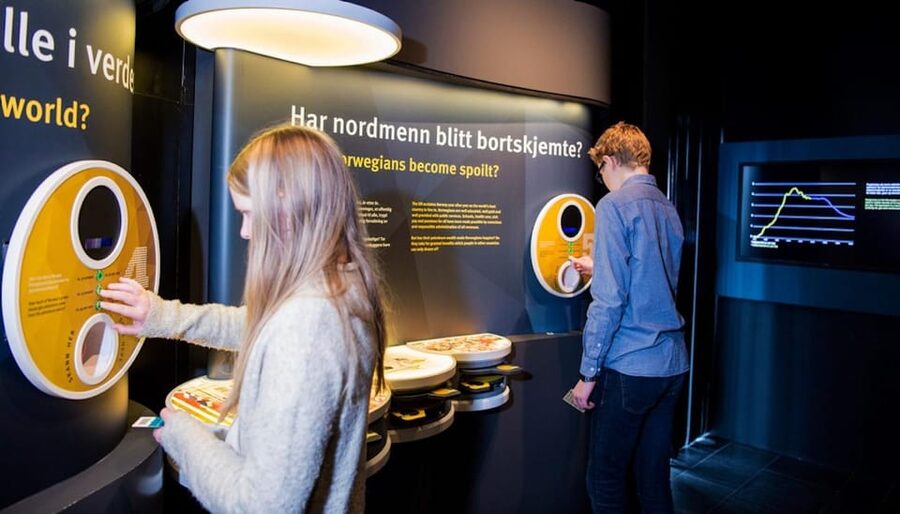
I especially like the way original objects, models, films, and hands-on displays make complicated work easy to follow. I also like the family activities, from the rescue chute and catastrophe room to the picture quiz and children’s play-platform. The Oilkid film adds a personal angle by looking at growing up during a time of major change.
The main consideration is focus. If you want only a quick look at Stavanger’s harbor sights, this museum may take more time than expected. Its subject is serious, and the displays ask you to think about both Norway’s prosperity and the environmental cost of producing fossil fuels.
Key points to know before you go
- Oil explained from seabed to society: Follow how petroleum forms, how resources are found beneath the seabed, and how drilling and production work.
- Climate issues are part of the visit: Greenhouse gas emissions and global warming receive clear attention alongside the industry’s achievements.
- Hands-on exhibits suit mixed ages: Models, films, games, and interactive displays give children and adults different ways to learn.
- A film adds a human story: Oilkid looks at growing up during a period of fast economic and social change.
- Family activities go beyond buttons: Children can use the rescue chute, enter the catastrophe room, complete a picture quiz, and play on the platform.
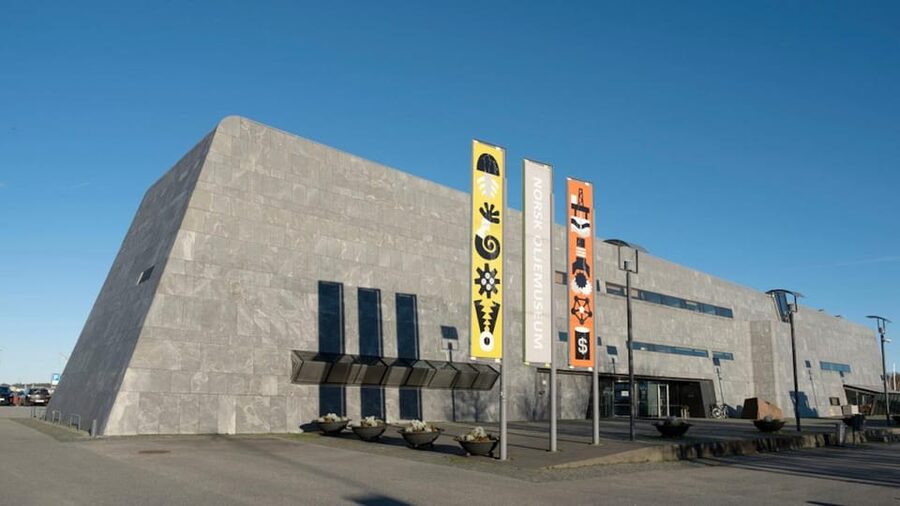
- Easy city-center location: The museum is close to Vågen harbor in Stavanger, with Jorenholmen recommended for parking.
Why Stavanger’s oil story matters
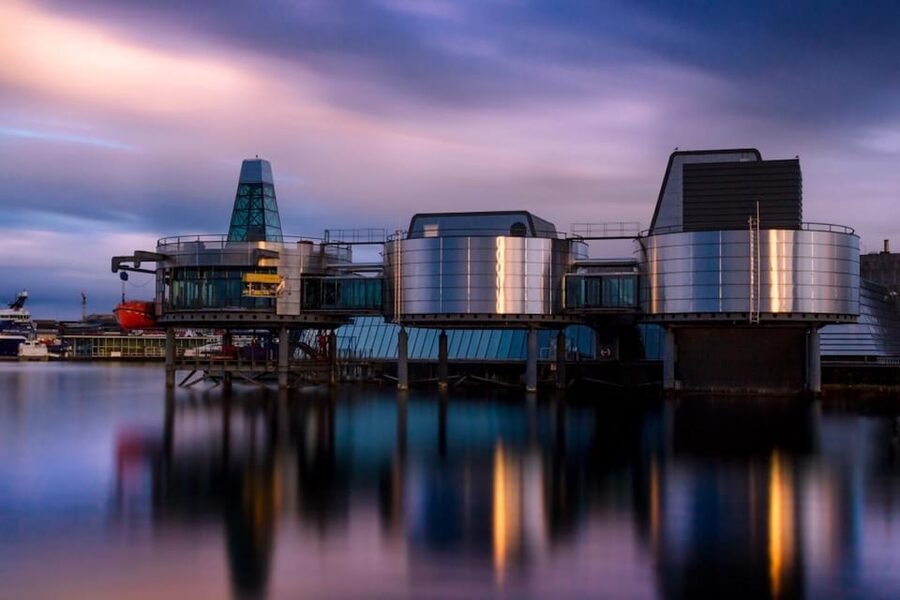
A visit here helps explain a fact you will notice all over Stavanger: petroleum is not just one local business. Offshore operations became Norway’s most important industry, shaping jobs, technology, public wealth, and daily life.
The museum gives you the basic science first. You learn how oil and gas form, how deposits are located under the seabed, and how drilling reaches them. That order matters. Instead of presenting oil production as a collection of machines, the displays connect the natural resource to the technical work needed to find and extract it.
I find this useful because offshore production can seem distant. The platforms sit out at sea, far from the city, and much of the work happens out of sight. Models and original objects bring that process closer. You can see how technology helped Norway work in a difficult marine setting.
The museum also places the industry in a wider setting. Oil revenue affected Norwegian society, and the exhibits show that petroleum brought both economic opportunity and difficult choices. You are not asked to look at the subject from only one angle.
More Museum Visits in Norway
- Kon-Tiki Museum Entrance Ticket
★ 4.5 · 1,096 reviews - Oslo: Paradox Museum Entry Ticket
★ 4.3 · 799 reviews - The Fram Museum Admission Ticket
★ 4.5 · 490 reviews
From underground formation to offshore production
The museum’s main story follows petroleum through several stages. You begin with formation, learning how oil and gas develop beneath the seabed. From there, the displays explain how specialists locate resources and decide where drilling should take place.
The next step is extraction. Models and interactive material show how drilling and production are conducted offshore. You might find the technical side especially useful if you have seen oil platforms from a distance but never understood what happens below the surface.
This section should work well for adults who want clear explanations without a specialist background. The museum presents the information through a mixture of objects, films, models, and interactive exhibits, so you are not left reading long blocks of text at every stop.
For younger children, the subject may be too technical in places. That is why the museum’s activities matter. Adults can follow the petroleum story while children use more physical and game-based displays. It gives families a better chance of staying together instead of splitting up as soon as the science begins.
Technology, risk, and life offshore
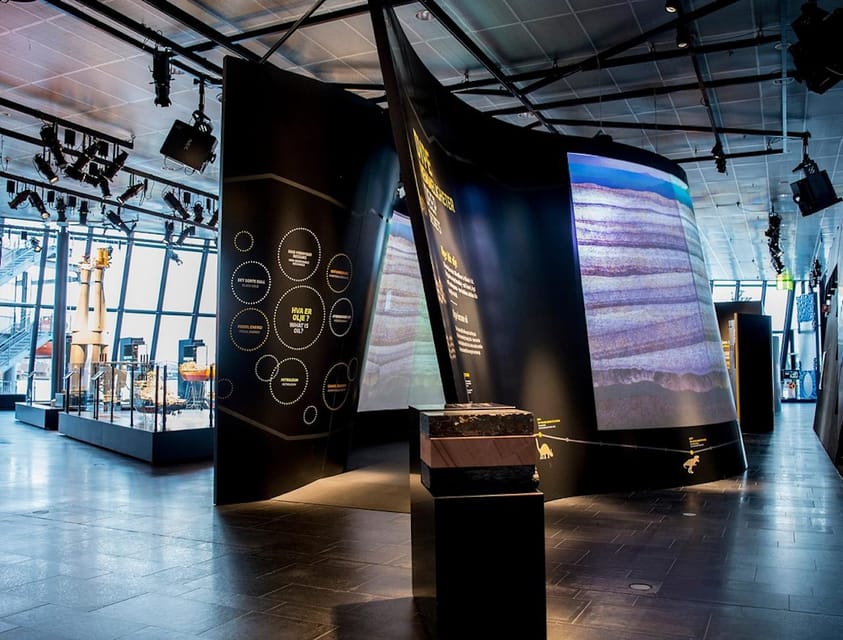
The displays also present technological advances made by the petroleum sector. Offshore work demands complex equipment and careful planning, and the museum uses physical objects and models to make that clear.
The rescue chute and catastrophe room add another layer. They show that offshore operations involve risk as well as engineering success. For children, these features can feel like play. For adults, they offer a reminder that drilling and production take place in a demanding environment where safety procedures matter.
I like this balance. The museum does not reduce the petroleum industry to money and machines. It also gives you a sense of the conditions, risks, and systems behind the finished product.
You should not expect a simulated boat trip or a live offshore operation. The experience is museum-based, using objects, models, films, and interactive displays. That is a limitation if you want a full physical recreation, but it also keeps the visit focused on explanation rather than spectacle.
The climate challenge is part of the main story
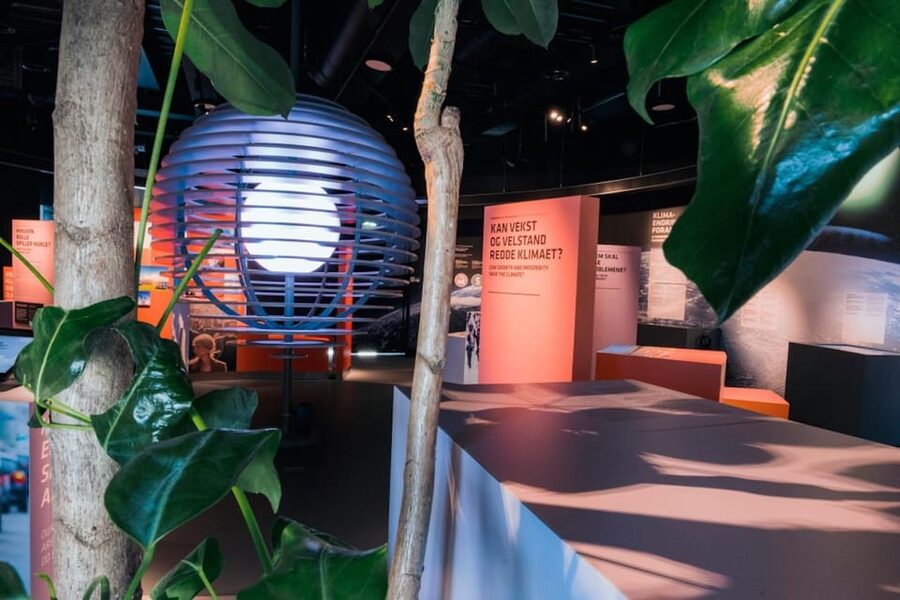
One of the most useful parts of the museum is its treatment of greenhouse gas emissions and global warming. The climate issue is not tacked on as a small final panel. It belongs to the larger story of petroleum and its effect on the world.
This gives the visit a needed sense of balance. You learn why oil and gas became so important to Norway, while also considering the environmental effects of burning fossil fuels. The museum connects local prosperity to a global problem.
I appreciate that approach because it lets you form a more informed view. You can recognize the technical progress and economic impact of the industry without ignoring its costs. For adults, this may be the part that stays with you after the visit.
The subject may feel weightier than a typical family attraction. That is worth knowing before you book. Still, the use of films, models, and interactive displays helps keep the material accessible. You are given information and context rather than being pushed toward a simple message.
More Museum Visits in Stavanger:
- Stockholm: Skansen Open-Air Museum Admission Ticket
★ 4.5 · 3,427 reviews - Stockholm Pass: Save up to 50% – Includes Vasa Museum Ticket
★ 4.1 · 2,392 reviews - Stockholm: Nobel Prize Museum and Exhibition Entry Ticket
★ 4.3 · 994 reviews - Copenhagen: National Museum of Denmark Entry Ticket
★ 4.5 · 960 reviews
Oilkid puts a human face on change
Make time for Oilkid, the museum film about growing up during times of change. The film shifts the focus from machinery and offshore systems to personal experience.
That change of pace is valuable. Petroleum affected more than Norway’s economy. It changed communities, expectations, work, and the way people viewed the future. A story about growing up helps show those changes at a human level.
I would plan to see the film after you have looked at some of the main exhibits. Once you understand how the industry developed, the personal angle has more meaning. It gives the wider story a face without requiring a long lecture.
The supplied information does not give the film’s running time, so you should allow enough flexibility in your visit rather than trying to fit the museum into a tightly timed schedule. The ticket is valid for one day, which makes that easier.
Family activities that make the visit work
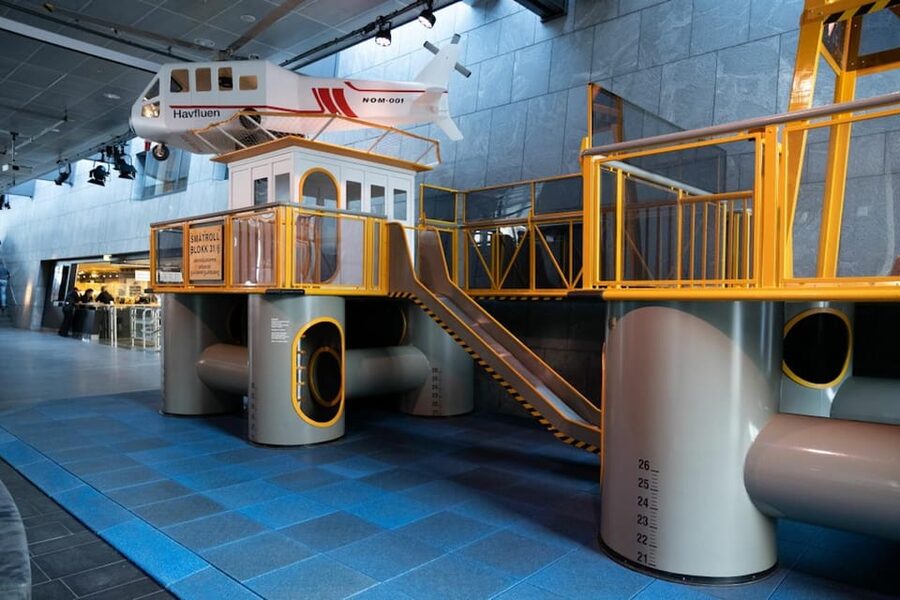
This museum is not designed only for adults. Children and young people have several ways to stay involved.
The rescue chute offers a physical element tied to offshore safety. The catastrophe room introduces a more dramatic side of the industry. Interactive games give children a chance to learn through action, while the play-platform provides a place for little ones to slide, climb, and play.
There is also a picture quiz for the whole family. This is a smart way to slow down and look closely at the exhibitions. Instead of walking past displays, you have a reason to search for details together.
I would use the quiz as a simple structure for a family visit. Let adults spend time with the oil and climate exhibits while children look for the details needed to complete the activity. The result is more purposeful than simply allowing children to run from one attraction to another.
The play-platform is aimed at younger children, so older children may prefer the games, film, or more technical material. Families with a wide age range should find enough variety, but not every activity will suit every child.
A central Stavanger location by Vågen
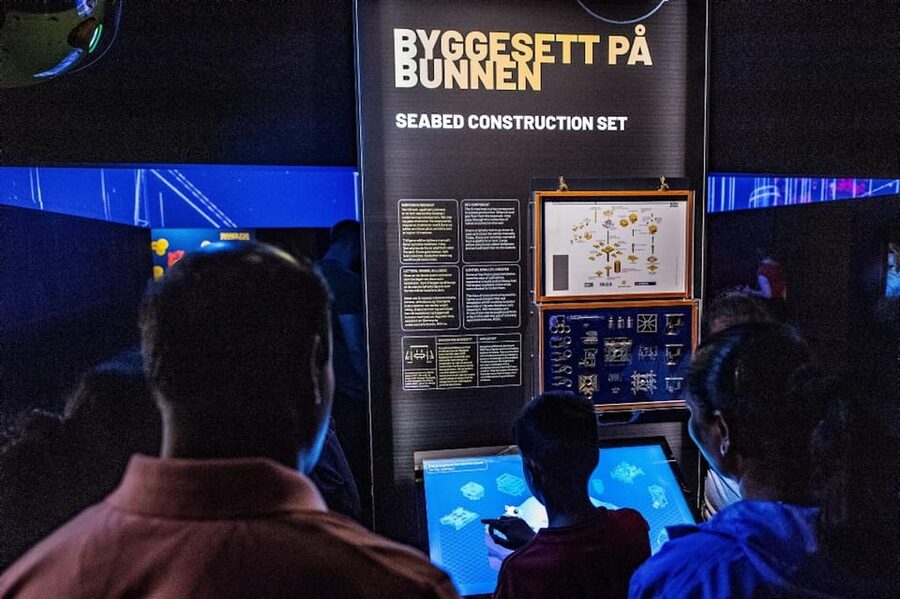
The Norwegian Petroleum Museum is in Stavanger city center, close to Vågen harbor. That makes it easy to combine with a walk around the waterfront and nearby city sights.
Its central location also helps if you are visiting Stavanger without a car. If you do drive, Jorenholmen is the recommended parking choice. The museum does not include transport or pickup and drop-off service, so you arrange your own way there.
The location makes the museum a practical choice on a rainy day, though the activity is not limited to bad weather. Stavanger’s harbor setting gives you a useful contrast: look at the city’s waterfront, then visit a museum explaining the offshore industry that helped shape it.
The ticket is valid for one day rather than a short timed slot. You can therefore take your time, pause for the film, and let children use the play areas without feeling rushed.
How long should you allow?
The listed duration is one day, which means you can return or spend a long stretch inside. The ticket does not promise a fixed guided itinerary, so your pace is up to you.
For a quick overview, you might focus on the main petroleum story, the climate displays, and Oilkid. A family with children should allow more time because the rescue chute, games, picture quiz, and play-platform can turn a short museum stop into a substantial outing.
I would avoid treating this as a twenty-minute stop between harbor photos. The subject has several parts, and the best value comes from giving yourself time to connect them: geology, offshore technology, Norwegian society, and the climate challenge.
The museum is open all year. From June 1 to August 31, it is open daily from 10:00 to 19:00. From September 1 to May 31, it is open Monday through Saturday from 10:00 to 16:00, and Sunday from 10:00 to 18:00.
It closes on December 24, December 25, December 31, and January 1. At Easter, it is closed on Good Friday and Easter Sunday, and it is also closed on May 17. Check the current hours before setting out, especially around holidays.
Is the $19 ticket good value?
At $19 per person, this is a reasonable paid museum visit if you want context for Stavanger and Norway’s offshore economy. The value comes from the range of material: petroleum science, drilling, production, technology, society, climate change, films, and family activities.
The ticket is more worthwhile if you plan to spend several hours inside. The one-day validity helps, since you can approach the museum at a relaxed pace instead of racing through the galleries.
For a solo adult who has little interest in energy or industrial history, the price may feel less attractive. The museum’s subject is specific, and its strongest value comes from understanding how petroleum shaped Norway.
Families may get particularly good value because the ticket includes more than exhibits. Children have active options, and the picture quiz gives everyone a shared task. You do not need to pay separately for the rescue chute, games, play-platform, or film.
The museum is also wheelchair accessible. English and Norwegian are available, and the listed host or greeter languages are English and Norwegian. Meals are not included, so plan food separately around your visit.
Who should book this museum visit?
I would recommend it to adults who want to understand why oil and gas matter so much in Norway. It is also a good choice if you have seen offshore platforms or heard about the North Sea industry but never understood how the work operates.
Families should consider it if their children enjoy hands-on displays, climbing, games, or quizzes. The mix of serious information and physical activities makes it easier for different ages to share the same visit.
It may be less suitable if you want a short, purely scenic activity. There is no pickup service, no meal included, and no promise of a guided tour in a named language beyond English and Norwegian host support. You are visiting a museum, not taking an offshore boat excursion.
Practical details before you book
You can cancel up to 24 hours in advance for a full refund. A reserve-now-and-pay-later option is available, which can help if your Stavanger plans are still moving around.
The experience is available for one day, with starting times checked through availability. The host or greeter support is in English and Norwegian, and the museum is wheelchair accessible.
Because the museum is close to Vågen, you can reach it as part of a city-center day. If you are driving, use Jorenholmen for parking. Bring enough time for the exhibits, the film, and the family activities rather than planning only a quick walk-through.
Should you book the Norwegian Petroleum Museum?
Book it if you want a clear, hands-on explanation of Norway’s petroleum story, especially if you are visiting Stavanger for the first time. The strongest parts are the simple presentation of oil formation and offshore production, the honest treatment of global warming, and the range of activities for children.
I would give it extra priority on a family day or a rainy afternoon. Adults get useful context about Norway’s economy and technology, while children can use the rescue chute, games, picture quiz, and play-platform.
Skip it only if your schedule is extremely tight or your interests are limited to outdoor scenery. At $19, it offers solid value when you give it enough time to connect the science, industry, society, and climate story.
FAQ
Where is the Norwegian Petroleum Museum?
The museum is in Stavanger city center, close to Vågen harbor.
How much does admission cost?
The entrance ticket costs $19 per person.
How long is the ticket valid?
The ticket is valid for one day.
Is the museum open all year?
Yes. The museum is open all year, with different hours in summer and the rest of the year.
What are the summer opening hours?
From June 1 to August 31, the museum is open every day from 10:00 to 19:00.
What are the opening hours from September through May?
From September 1 to May 31, it is open Monday through Saturday from 10:00 to 16:00, and Sunday from 10:00 to 18:00.
Is the museum wheelchair accessible?
Yes, the museum is wheelchair accessible.
Can I cancel for a refund?
Yes. You can cancel up to 24 hours in advance for a full refund.
Just added around Stavanger
- Discover Sensational Stavanger: Self-Guided Audio Tour★ 3.5 · 7 reviews
- The Pulpit Rock Air★ 4.5 · 8 reviews
- Stavanger Kjerag Hike with Guide and Transportation★ 5.0 · 9 reviews
- Stavanger Private Walking Tour with a Local★ 4.5 · 20 reviews
- Preikestolen | Pulpit Rock – Hike with a local guide★ 5.0 · 84 reviews
- Stavanger: Waterfalls, Caves and Rock Tour By Sea★ 4.0 · 145 reviews
- Guided sunrise hike to Pulpit Rock Preikestolen★ 5.0 · 20 reviews
- Scenic tour to Steinsfjellet, locals at Kringsjå & Rising Tide★ 5.0 · 48 reviews
Museums, compared.

Stockholm Pass: Save up to 50% – Includes Vasa Museum Ticket
Read our review →





Browse the lists this tour appears in